
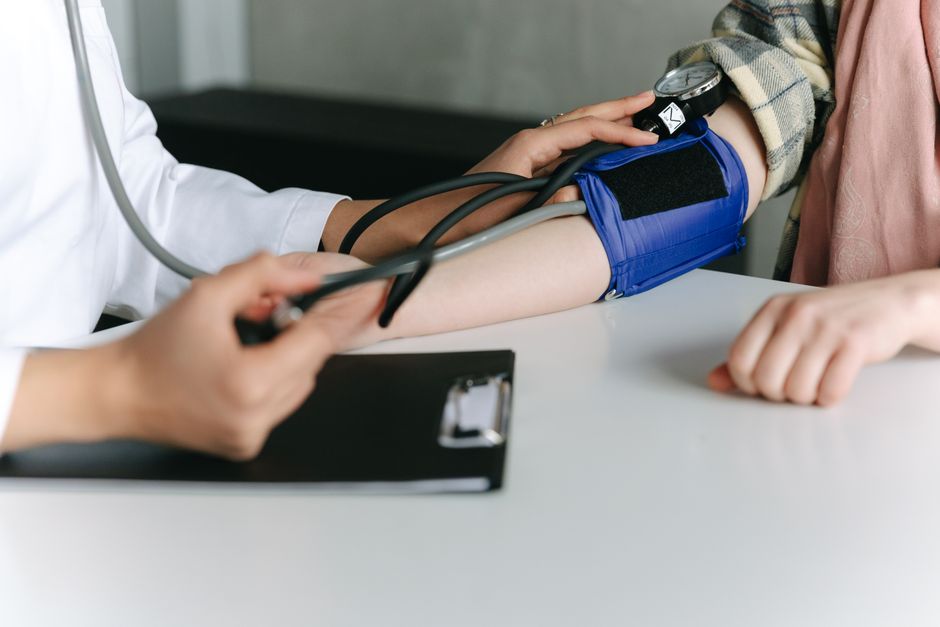
Most people with high blood pressure have no symptoms at all. That is the dangerous part. You cannot reliably feel it. The only way to know if your blood pressure is high is to measure it with a cuff. Here is the step by step process: get a validated home monitor, sit quietly for five minutes before measuring, take two readings one minute apart, and average them. If your top number is 130 or higher or your bottom number is 80 or higher, that is considered high. A single high reading does not mean you have hypertension. You need multiple high readings on separate days to confirm the diagnosis.
What Is a Normal Blood Pressure Reading?
The American Heart Association and the American College of Cardiology set clear thresholds. Normal blood pressure is below 120 over 80. That is the target. Elevated is 120-129 over less than 80. Stage 1 hypertension starts at 130 over 80. Stage 2 starts at 140 over 90. A hypertensive crisis is 180 over 120 or higher and requires immediate medical attention.
These numbers come from large population studies. The SPRINT trial published in the New England Journal of Medicine in 2015 showed that treating to a target of 120 systolic reduced cardiovascular events significantly compared to a target of 140. That trial changed the guidelines. The lower target applies to most people, but your doctor may adjust based on age, kidney function, or other conditions.
One clarification worth making: the top number is systolic pressure, the pressure when your heart beats. The bottom number is diastolic, the pressure between beats. For decades doctors focused more on diastolic. Research now shows systolic is more important for predicting heart attack and stroke in people over 50.
How to Measure Your Blood Pressure Correctly at Home
Home monitoring is reliable if you do it right. The CDC and the American Heart Association both recommend home monitoring for anyone diagnosed with or at risk for hypertension. The key is consistency and proper technique.
Use a validated upper arm monitor. Wrist and finger monitors are less accurate. The monitor should have a cuff that fits your arm properly. A standard cuff fits arms with a circumference of 9 to 13 inches. If your arm is larger or smaller, buy a different size. Using the wrong size cuff gives false readings.
Follow these steps:
- Empty your bladder first. A full bladder can raise systolic readings by 10-15 points.
- Sit in a chair with your feet flat on the floor. Do not cross your legs.
- Rest your arm on a table so the cuff is at heart level.
- Do not talk during the measurement.
- Wait five minutes of quiet rest before the first reading.
- Take two readings one minute apart. Record both and average them.
- Measure at the same time each day. Morning before eating or taking medication is standard.
Studies published in Hypertension journal have found that home monitoring correlates better with target organ damage than office readings. White coat hypertension — high readings only in a doctor’s office — affects up to 30% of people. Home monitoring catches that.
How To Know If Your Blood Pressure Is High Without a Monitor
You cannot reliably know without a monitor. That is the honest answer. Some people report symptoms like headaches, nosebleeds, or shortness of breath when their blood pressure is very high. But research shows these symptoms are not consistent. Most people with Stage 1 or Stage 2 hypertension have zero symptoms.
The idea that you can “feel” high blood pressure is a myth. A study in the Journal of Clinical Hypertension found that less than 1% of people with hypertension reported symptoms before their diagnosis. By the time symptoms appear, blood pressure is often dangerously high. Hypertensive emergency — with symptoms like severe headache, chest pain, vision changes, or confusion — is a medical crisis requiring emergency care.
Some consumer devices claim to estimate blood pressure without a cuff. Smartphone apps, smartwatches with optical sensors, and finger pulse oximeters fall into this category. As of 2026, the FDA has not cleared any cuffless blood pressure device for diagnosis. The American Heart Association issued a scientific statement in 2022 saying these devices are not accurate enough for clinical use. Do not rely on them.



What Causes High Blood Pressure in the First Place
Primary hypertension — the most common type — has no single cause. It develops over years. Risk factors include age, family history, being overweight, eating too much salt, not enough physical activity, drinking too much alcohol, and chronic stress. The CDC reports that nearly half of US adults have hypertension, and only about 1 in 4 have it under control.
Secondary hypertension is caused by an underlying condition. Kidney disease, thyroid problems, sleep apnea, and certain medications can raise blood pressure. If your blood pressure stays high despite multiple medications, your doctor may look for a secondary cause. This is less common but important to identify because treating the root cause can normalize blood pressure.
Sodium intake is the dietary factor with the strongest evidence. The DASH-Sodium trial published in the New England Journal of Medicine showed that reducing sodium from 3,300 mg to 2,300 mg per day lowered systolic blood pressure by about 5 points. Cutting to 1,500 mg lowered it further. The average American consumes about 3,400 mg of sodium daily, mostly from processed foods, not the salt shaker.
When Should You See a Doctor About Your Blood Pressure
If your home readings are consistently 130 over 80 or higher, schedule an appointment. Do not wait for symptoms. Your doctor will confirm the diagnosis with multiple readings over time. They may order blood tests to check kidney function, electrolytes, and blood sugar. They will also check your cholesterol and may do an electrocardiogram to look for heart strain.
One reading of 180 over 120 or higher requires immediate medical attention even if you feel fine. That is a hypertensive crisis. Call 911 or go to the emergency room. Do not wait to see if it goes down on its own.
For readings between 130 and 179 systolic, make an appointment within a few weeks. Your doctor may recommend lifestyle changes first or start medication depending on your overall risk. The American Heart Association provides a risk calculator that considers age, sex, cholesterol, smoking status, and diabetes to estimate your 10-year risk of heart attack or stroke. That risk score helps guide treatment decisions.
Here is a quick comparison of blood pressure categories and what they mean:
| Category | Systolic | Diastolic | What to Do |
|---|---|---|---|
| Normal | Less than 120 | Less than 80 | Maintain healthy habits |
| Elevated | 120-129 | Less than 80 | Lifestyle changes recommended |
| Stage 1 Hypertension | 130-139 | 80-89 | Doctor visit; may need medication |
| Stage 2 Hypertension | 140 or higher | 90 or higher | Doctor visit; medication likely |
| Hypertensive Crisis | 180 or higher | 120 or higher | Emergency care immediately |
What Lifestyle Changes Actually Lower Blood Pressure
The evidence for lifestyle changes is strong. The DASH diet — Dietary Approaches to Stop Hypertension — is the most researched eating plan for blood pressure. It emphasizes fruits, vegetables, whole grains, lean protein, and low-fat dairy while limiting saturated fat, cholesterol, and sodium. Multiple trials have shown it lowers systolic pressure by 8 to 14 points.
Physical activity also works. The American Heart Association recommends at least 150 minutes of moderate aerobic activity per week. That could be brisk walking, cycling, or swimming. Resistance training twice a week adds benefit. A meta-analysis in JAMA Network Open found that aerobic exercise lowered systolic pressure by about 5 points on average.
Weight loss has a clear dose-response relationship. Losing even 5-10% of your body weight can lower systolic pressure by 5 points or more. The effect is larger for people who are significantly overweight. Alcohol reduction matters too. The CDC defines moderate drinking as no more than one drink per day for women and two for men. Exceeding that raises blood pressure.
Stress reduction gets mentioned a lot, but the evidence is weaker. Mindfulness and meditation show modest effects in some studies, but the quality of evidence is lower than for diet and exercise. Some people report benefit, and it may help indirectly by improving sleep or reducing unhealthy coping behaviors. It is not a substitute for proven interventions.
Frequently Asked Questions
Can I check my blood pressure without a machine?
No. There is no accurate way to check blood pressure without a validated cuff. Feeling for a pulse or using smartphone apps does not provide reliable numbers.
How often should I check my blood pressure at home?
If you have hypertension, check it twice daily — once in the morning before eating and once in the evening. If your blood pressure is normal, checking once a week is enough.
Can anxiety cause high blood pressure readings?
Yes. Stress and anxiety can raise blood pressure temporarily. This is called white coat syndrome. Home monitoring helps distinguish this from true hypertension.
What time of day is blood pressure highest?
Blood pressure typically rises in the morning after waking and peaks in the late afternoon. It drops during sleep. Morning readings are usually the most reliable for diagnosis.
