
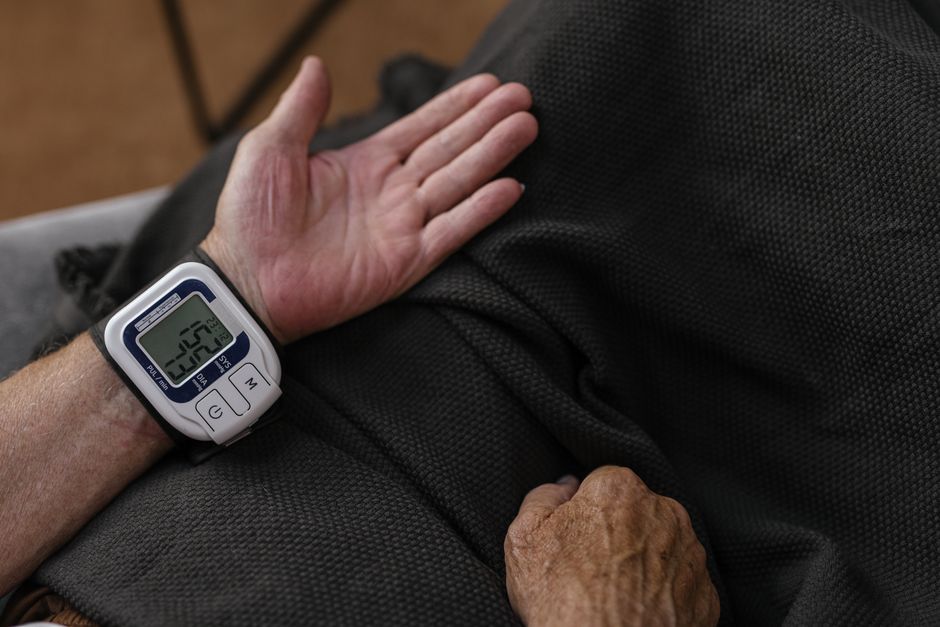
A blood pressure reading of 109/75 mmHg is a good reading. It falls well within the normal range for most adults. The top number (systolic) is below 120, and the bottom number (diastolic) is below 80, which are the standard targets for healthy blood pressure. While individual circumstances matter, this number generally indicates your heart and blood vessels are working under healthy pressure.
What Do the Numbers 109 and 75 Actually Mean?
Blood pressure is recorded as two numbers. The first number, 109, is your systolic pressure. This measures the force of blood against your artery walls when your heart beats and pumps blood out. The second number, 75, is your diastolic pressure. This measures the pressure in your arteries when your heart rests between beats.
Both numbers matter, but they tell different parts of the story. A normal systolic reading is less than 120 mmHg. A normal diastolic reading is less than 80 mmHg. Your reading of 109/75 sits comfortably inside both of these limits.
Blood pressure is not a static number. It changes throughout the day based on activity, stress, hydration, and even the time of day. A single reading of 109/75 is still a strong indicator of healthy cardiovascular function.
Is 109 75 A Good Blood Pressure Reading Compared to Official Guidelines?
Yes. Clinical guidelines classify blood pressure into categories. A reading below 120/80 is considered normal. Your reading of 109/75 is below that threshold.
The categories generally look like this:
- Normal: Less than 120/80
- Elevated: Systolic 120-129 and diastolic less than 80
- High Blood Pressure (Stage 1): Systolic 130-139 or diastolic 80-89
- High Blood Pressure (Stage 2): Systolic 140 or higher or diastolic 90 or higher
- Hypertensive Crisis: Systolic over 180 and/or diastolic over 120
Your reading of 109/75 places you clearly in the normal category. No treatment is indicated for this level. No lifestyle changes are required specifically because of this number, though maintaining healthy habits is always wise.
Some people wonder if 109 is too low. It is not. A systolic pressure of 109 is well above the threshold for hypotension, which is generally considered a systolic pressure below 90 or a diastolic below 60. You are nowhere near that range.
When Is a Reading of 109/75 Not Ideal?
There are a few situations where this reading might be interpreted differently. These are exceptions, not the rule.
If you feel dizzy, lightheaded, or faint when your blood pressure reads 109/75, you should mention it to a doctor. Some people experience symptoms at pressures that are technically normal. This is especially relevant if you take blood pressure medication. A dose that is too strong can push your pressure down to a level that feels normal on paper but causes symptoms in your body.
Pregnant women may have different blood pressure targets. During pregnancy, blood pressure can fluctuate significantly. Your obstetrician will track your specific trends rather than comparing you to the general population.
For people with chronic kidney disease or heart failure, doctors sometimes set different blood pressure goals. In these cases, the optimal range may be more individualized. But for a generally healthy adult, 109/75 is an excellent reading.


How Does 109/75 Compare to Other Common Readings?
Many people wonder how their reading stacks up against others. Here is how 109/75 compares to other frequently seen numbers:
| Reading | Category | What It Means |
|---|---|---|
| 90/60 | Low (borderline) | May cause symptoms in some people |
| 109/75 | Normal | Healthy range, no concern |
| 120/80 | Normal (upper limit) | Still normal, but watch trends |
| 128/82 | Elevated/Stage 1 | Early warning sign to monitor |
| 145/92 | Stage 2 High | Medical evaluation recommended |
Your reading is better than many adults your age. As people get older, blood pressure tends to rise because arteries naturally become stiffer. A reading of 109/75 at age 60 is particularly favorable.
What Factors Can Change Your Blood Pressure Reading?
Blood pressure is sensitive to many everyday factors. Understanding these can help you interpret your numbers accurately.
Caffeine can temporarily raise blood pressure. If you drink coffee right before a measurement, your reading may be higher than your true baseline. The effect typically lasts 30 minutes to a few hours.
Stress and anxiety activate your sympathetic nervous system. This raises your heart rate and constricts blood vessels. This is why some people get high readings at the doctor’s office but normal readings at home. This phenomenon is called white coat hypertension.
Body position matters. Your blood pressure should be measured while seated, feet flat on the floor, back supported, and arm at heart level. If your arm hangs down by your side, the reading can be falsely high. If your arm is raised above heart level, the reading can be falsely low.
Time of day also plays a role. Blood pressure naturally dips at night and rises in the early morning. A morning reading may be slightly higher than an evening reading.
Hydration status affects blood volume. Dehydration can lower blood pressure. Overhydration can raise it. Neither effect is dramatic in healthy people, but it can shift readings by a few points.
None of these factors change the fact that 109/75 is a good reading. They simply explain why your numbers might vary from one measurement to the next.
How Often Should You Check Your Blood Pressure?
If your blood pressure is consistently normal, you do not need to check it daily. For most healthy adults, checking once a year at a routine physical is sufficient.
If you have risk factors for high blood pressure, more frequent checks make sense. These risk factors include a family history of hypertension, being overweight, smoking, high sodium intake, or being over age 40.
Home monitoring can be useful for tracking trends. If you choose to monitor at home, use a validated upper-arm cuff. Wrist monitors are less accurate. Take readings at the same time each day, sit quietly for five minutes beforehand, and record your numbers in a log.
One reading of 109/75 is reassuring. But blood pressure is a trend, not a snapshot. A single normal reading does not guarantee that your pressure stays normal over time. Regular checks help you catch any upward drift early.
What Lifestyle Habits Keep Blood Pressure in the Normal Range?
Your reading of 109/75 suggests your current habits are working. If you want to keep it that way, certain patterns are well supported by evidence.
Reduce sodium intake. Most Americans consume far more sodium than needed. The body responds by retaining water, which increases blood volume and raises pressure. Keeping sodium under 2,300 mg per day is a common guideline, and many experts recommend aiming lower.
Increase potassium intake. Potassium helps blood vessels relax and counteracts sodium. Good sources include bananas, potatoes, spinach, beans, and yogurt. Most adults do not get enough potassium.
Stay physically active. Regular aerobic exercise strengthens the heart. A stronger heart pumps more blood with less effort. This reduces the force on your artery walls. Aim for at least 150 minutes of moderate activity per week.
Limit alcohol. Heavy drinking raises blood pressure. If you drink, moderation is the key. That means no more than one drink per day for women and two for men.
Manage stress. Chronic stress keeps blood pressure elevated. Deep breathing, adequate sleep, and regular movement all help. The specific technique matters less than consistency.
These habits are not just for people with high blood pressure. They maintain the healthy pressure you already have.
When Should You See a Doctor About Your Blood Pressure?
A reading of 109/75 does not require a doctor visit on its own. But you should see a healthcare provider if you notice any of the following:
- Repeated readings above 130/80
- Dizziness or fainting, even with normal readings
- Blood pressure that fluctuates widely between measurements
- Headaches, vision changes, or chest pain alongside any reading
If you are pregnant or have kidney disease, diabetes, or heart conditions, your blood pressure targets may differ. Your doctor will guide you on what range is right for your specific situation.
Otherwise, enjoy the fact that your blood pressure is in a healthy place. Keep doing what works. And keep checking it regularly so you know if anything changes.
Frequently Asked Questions
Is 109/75 blood pressure too low?
No, 109/75 is not too low. Hypotension is generally defined as a reading below 90/60, so 109/75 is comfortably within the normal range.
What is a normal blood pressure by age?
Normal blood pressure is below 120/80 for adults of all ages. The target does not change with age, though blood pressure naturally tends to rise as arteries stiffen over time.
Should I worry if my blood pressure is 109/75?
No, you should not worry. This reading indicates healthy blood pressure and no immediate action is needed.
Can 109/75 blood pressure cause dizziness?
It is unlikely, but some people feel symptoms at pressures that are technically normal. If you feel dizzy with this reading, mention it to your doctor.
