
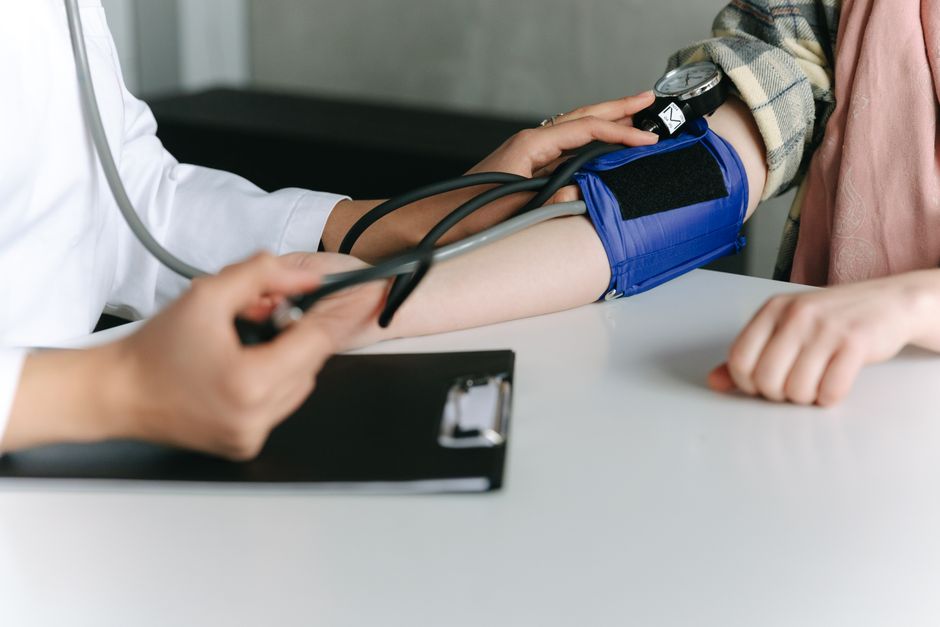
High blood pressure affects nearly half of all adults in the United States. Most people are told they need medication to control it. That is not always true. Many people can lower their blood pressure significantly without ever filling a prescription. The key is knowing which lifestyle changes have real evidence behind them and which ones are just popular ideas that do not work. This guide covers what research actually shows about reducing blood pressure without drugs.
What Causes High Blood Pressure in the First Place?
Blood pressure is the force of blood pushing against your artery walls. When that force stays high over time, it damages your blood vessels and heart. Most people with high blood pressure have what doctors call primary hypertension. That means there is no single medical cause like a kidney problem or tumor.
Several factors work together to raise blood pressure. The most common ones are excess body weight, too much sodium in the diet, not enough potassium, lack of physical activity, and drinking too much alcohol. Chronic stress also plays a role, though it is harder to measure than the others.
Genetics matter too. If both your parents had high blood pressure, your risk is higher. But genes are not destiny. Lifestyle changes can override a lot of genetic risk. As of 2026, current research suggests that environment and habits account for roughly 70 percent of your blood pressure risk. That leaves plenty of room for improvement.
How Much Can Diet Alone Lower Blood Pressure?
The DASH diet is the most studied eating pattern for blood pressure. DASH stands for Dietary Approaches to Stop Hypertension. Research shows it can lower systolic blood pressure by 8 to 14 points in people with mild hypertension. That is comparable to some blood pressure medications.
The diet emphasizes fruits, vegetables, whole grains, lean protein, and low-fat dairy. It limits red meat, sugar, and saturated fat. But the real secret is the sodium restriction. Most DASH studies combined the diet with a sodium limit of about 1,500 to 2,300 milligrams per day. The average American eats over 3,400 milligrams daily.
Cutting sodium alone works. A meta-analysis of 34 studies found that reducing sodium intake lowered blood pressure by about 5 points systolic and 3 points diastolic in people with hypertension. The effect is larger in older adults and people who already have high blood pressure.
Potassium is the other half of the equation. Most Americans do not get enough. Potassium helps your kidneys flush out excess sodium. Good sources include bananas, potatoes with skin, spinach, avocados, and beans. Increasing potassium intake can lower blood pressure by 4 to 5 points on its own.
How To Reduce Blood Pressure Without Drugs Using Exercise
Exercise lowers blood pressure in multiple ways. It strengthens the heart so it pumps with less effort. It helps arteries stay flexible. And it helps with weight loss, which is one of the most powerful blood pressure interventions available.
Consistent aerobic exercise lowers resting blood pressure by about 5 to 8 points. That means walking, jogging, cycling, or swimming for 30 minutes most days of the week. The effect takes about four weeks to show up and peaks around eight to twelve weeks.
Resistance training also helps. Lifting weights lowers blood pressure by about 3 to 5 points. The key is moderate intensity with proper breathing. Holding your breath and straining during lifts can spike blood pressure temporarily, so exhale on the effort.
The combination of aerobic and resistance training works better than either alone. A study of overweight adults found that those who did both types of exercise lowered their blood pressure more than those who did only one type. The difference was about 3 additional points.

What About Weight Loss and Blood Pressure?
Weight loss is one of the most effective non-drug treatments for high blood pressure. For every kilogram of body weight lost, blood pressure drops by about 1 point. That means losing 10 pounds could lower your blood pressure by 4 to 5 points.
The effect is even larger in people who are significantly overweight. A person who loses 5 to 10 percent of their body weight can expect a blood pressure reduction of 5 to 10 points systolic. That is often enough to move someone from needing medication to not needing it.
Where you carry weight matters too. Belly fat is more dangerous for blood pressure than fat stored in the hips and thighs. Waist circumference is a better predictor of hypertension risk than total body weight. Men should aim for a waist below 40 inches and women below 35 inches.
Crash diets do not work for long-term blood pressure control. Slow, steady weight loss of one to two pounds per week is more sustainable. The goal is not just to lose weight but to keep it off, because blood pressure rises again when weight returns.
Does Stress Reduction Really Lower Blood Pressure?
Stress causes temporary spikes in blood pressure. When you are stressed, your body releases hormones that make your heart beat faster and your blood vessels narrow. If stress is chronic, those temporary spikes can become permanent.
Meditation and deep breathing exercises have some evidence behind them. A review of 12 studies found that mindfulness-based stress reduction lowered blood pressure by about 4 to 5 points. The effect was larger in people who practiced regularly for eight weeks or more.
Yoga also shows promise. A meta-analysis of 49 studies found that yoga lowered blood pressure by about 5 points systolic and 4 points diastolic. The effect was similar to other forms of exercise, so the physical movement itself may be the active ingredient.
Biofeedback is another option. It involves using sensors to monitor your body’s stress response and learning to control it. Some studies show it can lower blood pressure by 6 to 10 points, but the quality of the evidence is mixed. It works for some people and not others.
Sleep is often overlooked. Poor sleep raises blood pressure by increasing stress hormones and disrupting the body’s natural nighttime blood pressure dip. Adults who sleep less than six hours per night have significantly higher blood pressure than those who sleep seven to eight hours.
What About Alcohol, Caffeine, and Supplements?
Alcohol raises blood pressure in a dose-dependent way. The more you drink, the higher your blood pressure. Cutting back to one drink per day for women and two for men can lower blood pressure by 4 to 5 points. People who drink heavily and stop entirely see a drop of 10 points or more.
Caffeine is more complicated. It causes a temporary spike in blood pressure, usually 30 to 60 minutes after drinking it. But regular coffee drinkers develop tolerance. Long-term studies do not show that moderate coffee consumption causes sustained high blood pressure. If you already have hypertension, it is worth checking your blood pressure after coffee to see how you respond.
| Intervention | Typical Blood Pressure Reduction (Systolic) | Time to See Effect |
|---|---|---|
| DASH diet + low sodium | 8-14 points | 2-4 weeks |
| Regular aerobic exercise | 5-8 points | 4-8 weeks |
| Weight loss (per 10 lbs) | 4-5 points | 4-12 weeks |
| Reduce alcohol | 4-5 points | 1-2 weeks |
| Stress reduction | 4-5 points | 8 weeks |
Supplements are a mixed bag. Garlic extract has the best evidence, with some studies showing a 5 to 8 point reduction in systolic blood pressure. Coenzyme Q10 and fish oil also have some support, but the effects are small and inconsistent. Hibiscus tea shows promise in small studies, lowering blood pressure by about 6 points. None of these are as powerful as diet and exercise changes.
Be skeptical of any supplement that promises to cure high blood pressure quickly. The supplement industry is poorly regulated. Many products contain ingredients that interact with blood pressure medications or have no evidence at all.
Common Misconceptions About Lowering Blood Pressure Without Drugs
One common myth is that you need to cut out all salt. That is not true. Your body needs some sodium to function. The problem is the excess. Most people can reduce their sodium intake by cooking at home more and eating fewer processed foods. Cutting salt entirely is unnecessary and can cause problems if you are on certain medications.
Another myth is that you can lower blood pressure in a few days. Lifestyle changes take weeks to months to show meaningful results. Do not expect overnight success. Blood pressure is a long-term measure of your cardiovascular health, not a number you can fix in a weekend.
Some people believe that if their blood pressure is only slightly high, they do not need to do anything. That is wrong. Prehypertension, or blood pressure between 120/80 and 139/89, is a warning sign. It is the best time to make lifestyle changes because the damage has not yet become permanent.
Finally, do not stop taking prescribed blood pressure medication without talking to your doctor. Lifestyle changes can reduce your need for medication, but stopping suddenly can cause dangerous spikes. Work with your healthcare provider to adjust your treatment as your numbers improve.
Frequently Asked Questions
Can I lower my blood pressure in one week?
You can see small changes in one week, especially if you cut sodium and reduce alcohol. Meaningful reductions usually take four to eight weeks of consistent lifestyle changes.
How much does walking lower blood pressure?
Walking 30 minutes most days lowers systolic blood pressure by about 5 to 8 points. The effect is strongest in people who were previously inactive.
Is it safe to stop blood pressure medication once I make lifestyle changes?
Only stop medication under your doctor’s supervision. Lifestyle changes can reduce your need for medication, but stopping suddenly can cause dangerous blood pressure spikes.
Does apple cider vinegar lower blood pressure?
There is no strong clinical evidence that apple cider vinegar lowers blood pressure. Some small animal studies suggest a possible effect, but human studies are lacking.
