
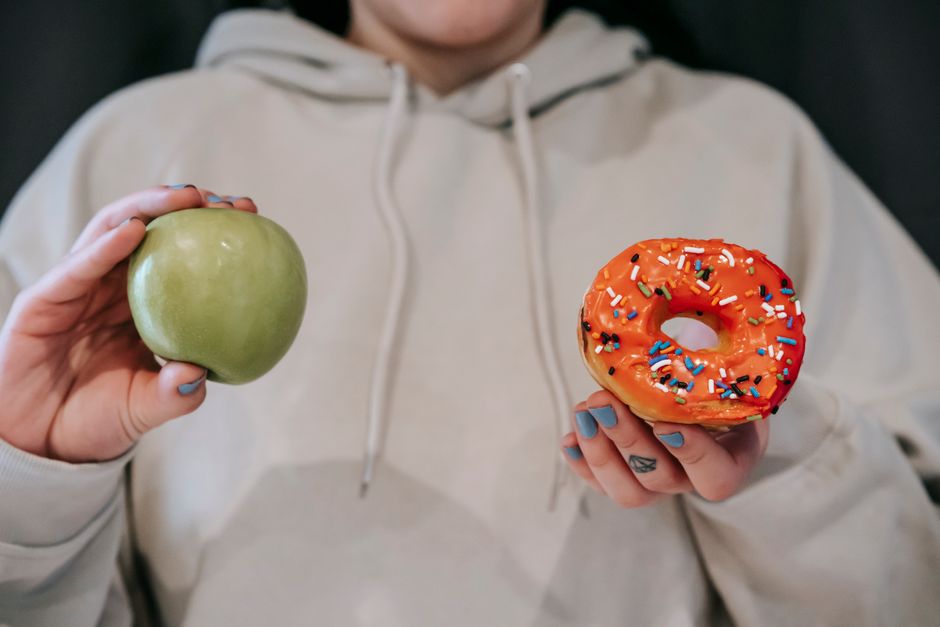
If you have high blood pressure, what you eat matters more than most people realize. The direct answer is that foods high in sodium, added sugars, unhealthy fats, and alcohol are the main ones to avoid. The biggest culprit by far is sodium, which the American Heart Association says should be limited to less than 1,500 milligrams per day for most people with hypertension. Cutting back on processed foods, salty snacks, sugary drinks, and red meat can make a real difference in your numbers.
Why Does Sodium Raise Blood Pressure?
Sodium makes your body hold onto extra water. This increases the total amount of fluid in your blood vessels, which raises pressure against the artery walls. The effect is not the same for everyone. Some people are “salt sensitive,” meaning their blood pressure jumps more noticeably after eating salt.
Research published in the New England Journal of Medicine found that reducing sodium intake by about 1,000 milligrams per day lowered systolic blood pressure by an average of 5-6 points. That is roughly the same effect as some blood pressure medications. The CDC reports that the average American eats about 3,400 milligrams of sodium daily, which is more than double the recommended limit for people with hypertension. Most of that sodium comes from restaurant meals and packaged foods, not from your salt shaker at home.
What Foods To Avoid With High Blood Pressure?
The foods to avoid are mostly the ones that come in boxes, bags, or from a drive-through window. Processed meats like bacon, sausage, and deli turkey are packed with sodium and preservatives. Canned soups and vegetables often contain added salt to extend shelf life. Frozen pizzas, salted nuts, and most fast food meals are also high on the list.
Bread and rolls are a surprising source. The American Heart Association notes that bread products contribute more sodium to the average diet than salty snacks do. A single slice of bread can have 150-200 milligrams of sodium. That adds up fast if you eat sandwiches daily. Restaurant meals are another hidden source. A single restaurant entree can contain an entire day’s worth of sodium — sometimes over 2,000 milligrams. You cannot always taste it, but your blood vessels feel it.
How Do Sugary Drinks and Alcohol Affect Blood Pressure?
Sugary drinks do not contain sodium, but they still raise blood pressure. High sugar intake triggers your body to release insulin, which can make your kidneys hold onto sodium. Drinks like soda, sweet tea, fruit punch, and energy drinks are the worst offenders. A study in the journal Hypertension found that people who drank one or more sugary beverages per day had significantly higher blood pressure than those who drank them rarely.
Alcohol affects blood pressure in a different way. Small amounts may not cause harm, but drinking more than one drink per day for women or two for men can raise blood pressure. The effect is dose-dependent. The more you drink, the higher your numbers tend to go. Binge drinking — four or more drinks in a short period — can cause a sudden, dangerous spike in blood pressure. The American College of Cardiology recommends that people with hypertension limit alcohol to no more than one drink per day total.


What Does Research on Red Meat and High Blood Pressure Show?
Red meat is not directly linked to blood pressure the way sodium is, but the evidence still points to cutting back. Some studies suggest that the saturated fat and certain compounds in red meat can contribute to inflammation and stiffen arteries over time. Stiffer arteries mean higher blood pressure. Research published in the Journal of the American Heart Association found that replacing red meat with plant-based protein sources like beans or tofu was linked to lower blood pressure readings.
The issue is not just red meat itself, but what people eat with it. A steak dinner often comes with a baked potato loaded with butter and sour cream, a side of salted vegetables, and maybe a glass of wine. That combination packs a lot of sodium, saturated fat, and alcohol in one meal. If you eat red meat, the portion size matters. A serving should be about the size of a deck of cards, not the size of your plate.
How Do Processed Foods and Fast Food Raise Blood Pressure?
Fast food is engineered to taste good, not to be healthy. A single fast-food meal can contain 2,000-3,000 milligrams of sodium, which is more than the daily limit for someone with high blood pressure. The combination of high sodium, unhealthy fats, and refined carbohydrates creates a perfect storm for blood pressure spikes. The effects can last for hours after eating.
Processed foods also contain added sugars and preservatives that compound the problem. Many frozen dinners, boxed rice mixes, and instant noodles are loaded with sodium and little else. The American Heart Association recommends reading nutrition labels and choosing items with 5% or less of the daily value for sodium per serving. Anything above 20% is high and should be avoided. The easiest rule is to focus on whole foods — fruits, vegetables, whole grains, and lean proteins — and limit anything that comes in a package with more than five ingredients.
What About Caffeine and Blood Pressure?
Caffeine gets blamed for raising blood pressure, but the evidence is mixed. Caffeine can cause a short-term spike in blood pressure, especially in people who do not drink it regularly. The effect is usually temporary and goes away within a few hours. For regular coffee drinkers, the body builds up a tolerance, and the blood pressure effect becomes negligible.
Some studies suggest that moderate coffee consumption — 1-3 cups per day — may actually be linked to a lower risk of developing hypertension. The key is how you take your coffee. Adding sugar, cream, or flavored syrups turns a neutral drink into a blood-pressure-raising one. Black coffee or coffee with a splash of milk is fine for most people. If you notice your blood pressure jumps after coffee, you may be sensitive to caffeine and should consider cutting back.
Comparison Table: Foods to Avoid vs. Better Alternatives
| Food to Avoid | Why It Raises Blood Pressure | Better Alternative |
|---|---|---|
| Processed meats (bacon, sausage, deli meat) | High sodium and preservatives | Fresh chicken, turkey, or fish |
| Canned soups and vegetables | Added salt for preservation | Fresh or frozen vegetables |
| Frozen pizza and fast food | Extremely high sodium and unhealthy fats | Homemade pizza with whole wheat crust |
| Sugary drinks (soda, sweet tea) | Insulin spike causes sodium retention | Water, sparkling water, unsweetened tea |
| Alcohol (more than 1 drink/day) | Directly raises blood pressure | Limit to 1 drink or less per day |
| White bread and refined grains | Hidden sodium and low nutrients | Whole grain bread or oats |
Common Misconceptions About Blood Pressure and Diet
Many people think that cutting out salt entirely is the answer. That is not true. Your body needs some sodium to function properly. The goal is to reduce excess sodium, not eliminate it completely. The DASH diet, which the National Institutes of Health developed, recommends 1,500-2,300 milligrams of sodium per day — not zero.
Another misconception is that sea salt or pink Himalayan salt is healthier than table salt. They are not. All salt contains about the same amount of sodium by weight. The trace minerals in fancy salts are too small to matter. The only difference is taste and texture. The amount of sodium you eat matters far more than the type of salt you use. A third common myth is that if your blood pressure is normal, you do not need to worry about these foods. The truth is that damage accumulates over years. What you eat now affects your risk of developing hypertension later.
What to Avoid When Managing Blood Pressure
Do not rely on supplements or “detox” diets to lower your blood pressure. There is no clinical evidence that celery juice, garlic supplements, or any trendy superfood can replace medication or dietary changes. Some of these products can even interact with blood pressure medications and cause harm. Always talk to your doctor before trying any supplement.
Also avoid crash diets that cut out entire food groups. Extremely low-carb or very low-fat diets can cause electrolyte imbalances that make blood pressure harder to control. The safest approach is a balanced diet that reduces sodium, added sugars, and unhealthy fats while increasing potassium-rich foods like bananas, spinach, and sweet potatoes. Potassium helps counteract sodium’s effects. The DASH diet is the most researched eating plan for blood pressure, and it does not require giving up all your favorite foods — just making smarter choices most of the time.
Frequently Asked Questions
Can I eat eggs if I have high blood pressure?
Yes, eggs are fine in moderation. They do not raise blood pressure directly unless you prepare them with a lot of salt or butter.
Is cheese bad for high blood pressure?
Cheese is high in sodium, so it should be limited. Choose low-sodium varieties and stick to a small serving size.
Does dark chocolate help lower blood pressure?
Some studies suggest dark chocolate with high cocoa content may have a small blood pressure-lowering effect, but the evidence is not strong enough to recommend it as treatment.
Can I ever eat fast food with high blood pressure?
Occasionally, but choose grilled options, skip the fries, and ask for no added salt. Even then, limit it to once a month at most.
