
Yes, heat can cause low blood pressure. When your body gets hot, it works hard to cool itself down. It sends more blood to your skin to release heat. This means less blood returns to your heart, and your blood pressure can drop. For most people, this is a temporary change. But for older adults, people on certain medications, or those with existing health conditions, this drop can be serious. Understanding the signs and knowing your risk level can help you stay safe in hot weather.
How Does Heat Lower Blood Pressure?
Your body is always trying to keep its internal temperature around 98.6°F. When the air around you is hot, your body needs to release that extra heat. It does this by widening the blood vessels near your skin. This process is called vasodilation.
Vasodilation is a normal response. It allows more warm blood to flow near the surface of your skin, where the heat can escape into the air. But there is a trade-off. When your blood vessels widen, the total space inside them increases. The same amount of blood now fills a larger space. This causes the pressure inside your blood vessels to drop.
Your heart also has to work harder. It beats faster to pump blood through those wider vessels. If you are dehydrated, the problem gets worse. Sweating removes fluid from your blood. Less fluid means lower blood volume. Lower blood volume combined with wider blood vessels can cause a significant drop in blood pressure.
What Are the Signs of Heat-Related Low Blood Pressure?
The signs can come on quickly. You might feel dizzy or lightheaded. Some people describe feeling like the room is spinning. You might feel weak, like your legs can’t hold you up. Blurred vision is another common sign.
Nausea can also occur. Some people feel clammy or notice their skin is cool and pale, even though it is hot outside. A rapid heartbeat is common as your heart tries to compensate for the lower pressure. If you feel these symptoms, sit down or lie down immediately. Standing up can make it worse and may cause you to faint.
Fainting, also called syncope, is the most serious immediate sign. It happens when your brain does not get enough blood flow. You lose consciousness briefly. Most people recover quickly once they are lying down, but fainting can cause injuries from falling.
Who Is Most at Risk for Heat-Induced Low Blood Pressure?
Older adults are at the highest risk. As we age, our blood vessels become stiffer. They do not respond to heat as quickly. The heart also becomes less efficient at pumping. This combination makes it harder for the body to adjust to temperature changes.
People taking certain medications are also at risk. Blood pressure medications, especially diuretics and beta-blockers, can interfere with your body’s heat response. Diuretics remove fluid from your body, which lowers blood volume. Beta-blockers slow your heart rate, so your heart cannot pump faster to compensate for the heat. Antihistamines and antidepressants can also affect how your body regulates temperature.
People with existing conditions like heart disease, diabetes, or kidney disease need to be careful. Diabetes can damage the nerves that help control blood pressure. Kidney disease affects fluid balance. Anyone with these conditions should monitor how they feel in hot weather.
People who work or exercise outdoors in the heat face higher risk. So do those who are not used to hot climates. Your body needs time to adapt to heat. This adaptation process, called acclimatization, usually takes one to two weeks.
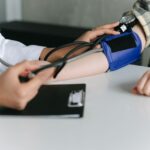

Can Heat Cause Low Blood Pressure Signs And Risks Differently Than Other Causes?
Heat-related low blood pressure feels similar to other causes, but the trigger is different.
Other common causes include:
- Dehydration from not drinking enough fluids
- Standing up too quickly (orthostatic hypotension)
- Eating a large meal (postprandial hypotension)
- Blood loss or anemia
- Endocrine problems like thyroid disease
The key difference is the context. If you are in a hot environment and start feeling dizzy, heat is the likely cause. The risk with heat is that it can progress to heat exhaustion or heat stroke if you ignore the early signs. Heat stroke is a medical emergency. It occurs when your body temperature rises above 104°F and your cooling system stops working.
Heat exhaustion is the stage before heat stroke. Symptoms include heavy sweating, weakness, cold and clammy skin, and a fast but weak pulse. If you experience these, move to a cool place, drink water, and apply cool cloths to your skin. If symptoms do not improve within an hour, or if you vomit, seek medical help.
How to Prevent Heat-Related Low Blood Pressure
Prevention is straightforward. Stay hydrated. Drink water throughout the day, even if you do not feel thirsty. Thirst is not always a reliable indicator, especially for older adults. Avoid alcohol and caffeine in extreme heat. Both can contribute to dehydration.
Wear loose, light-colored clothing. This allows air to circulate around your skin and helps sweat evaporate. Sweat evaporation is your body’s most effective cooling mechanism.
Limit outdoor activity during the hottest part of the day, usually between 10 a.m. and 4 p.m. If you must be outside, take frequent breaks in the shade or air conditioning. When you go from a hot outdoor environment to an air-conditioned space, give your body a few minutes to adjust before moving around.
If you take blood pressure medication, talk to your doctor about how heat affects you. Do not stop taking your medication on your own. Some people need to adjust their fluid intake or medication timing during hot months, but this must be done under medical supervision.
If you feel dizzy or lightheaded in the heat, act fast. Sit or lie down. Elevate your feet if possible. Drink cool water slowly. Loosen tight clothing. These steps can help your blood pressure recover before you faint.
When Should You Seek Medical Help?
Most cases of heat-related low blood pressure resolve once you cool down and rehydrate. But some situations require medical attention.
Seek help if you faint and do not wake up quickly. Seek help if you feel confused, disoriented, or have trouble speaking. These can be signs of heat stroke, which is life-threatening. Call 911 immediately if someone has hot, dry skin and a body temperature above 103°F. This combination means the body has stopped sweating and is overheating dangerously.
Also seek help if you have chest pain, shortness of breath, or a very rapid heartbeat that does not slow down when you rest. These symptoms may indicate a heart problem, not just heat-related blood pressure changes.
For older adults, a lower threshold for seeking help is wise. If an older person feels weak, dizzy, or unwell in the heat, it is safer to get checked by a healthcare provider than to wait and see.
What the Evidence Says About Heat and Blood Pressure
Research consistently shows that hot environments cause measurable drops in blood pressure. Studies on heat exposure have found that blood pressure can decrease within minutes of entering a hot environment. The effect is more pronounced in older adults and in people with impaired cardiovascular function.
Some research suggests that repeated exposure to heat may actually lower resting blood pressure over time. This is why sauna use has been studied as a potential therapy for hypertension. However, this effect is different from the acute drop that happens during heat exposure. The chronic benefits of heat therapy are not fully understood, and more research is needed before any recommendations can be made.
The evidence is clear on one point: heat-related low blood pressure is a real and potentially dangerous condition. It is not something to brush off, especially for people in higher-risk groups. Knowing your personal risk and recognizing the early signs can prevent falls, fainting, and more serious heat illnesses.
Frequently Asked Questions
What is the fastest way to raise low blood pressure from heat?
Get out of the heat and lie down with your feet elevated. Drink cool water slowly and loosen any tight clothing.
Can hot showers or baths cause low blood pressure?
Yes, hot water causes the same vasodilation as hot air, which can lower blood pressure. People who feel dizzy after a hot shower should use warm water instead and sit down if they feel lightheaded.
Does drinking more water in heat prevent blood pressure drops?
Drinking water helps maintain blood volume, which supports blood pressure. Staying hydrated reduces the risk, but it does not completely prevent heat-related drops if you are in extreme heat for a long time.
Can heat lower blood pressure in people with normal blood pressure?
Yes, heat can cause a temporary drop even in healthy people with normal blood pressure. Most recover quickly once they cool down, but the drop can still cause fainting if they stand up too fast.
