
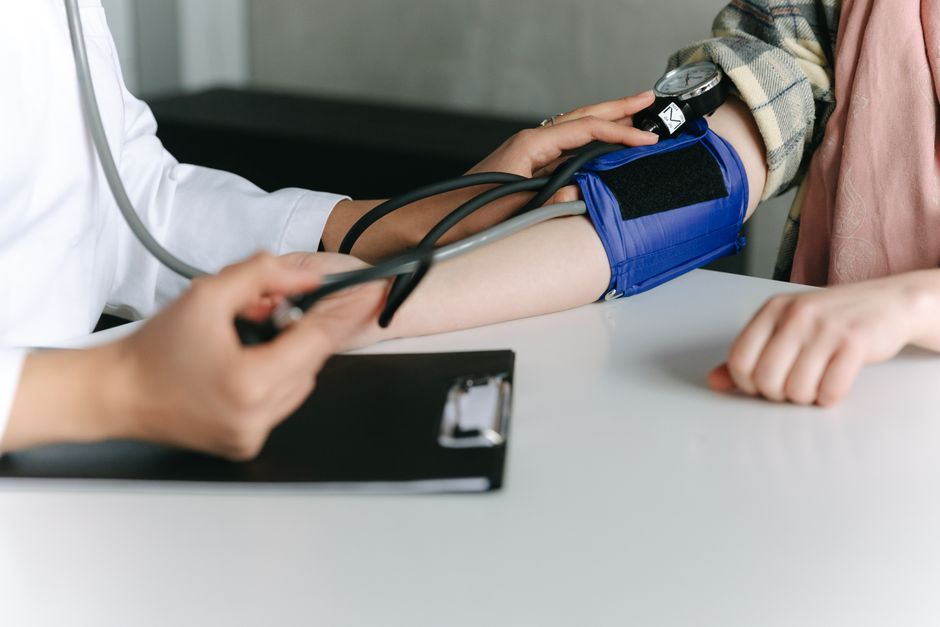
Blood pressure is the force of blood pushing against your artery walls. When that force is too high it puts stress on your heart and blood vessels. Many things can raise blood pressure including what you eat how you live and even how you feel. Some causes are temporary and harmless. Others can lead to long-term health problems if ignored.
What Foods and Drinks Can Raise Blood Pressure?
Sodium is the biggest food-related cause of high blood pressure. Salt makes your body hold onto water. More water in your blood vessels means more pressure. The average American eats about 3,400 milligrams of sodium per day. The recommended limit is 2,300 milligrams. For people with high blood pressure the recommendation drops to 1,500 milligrams.
Processed foods are where most sodium hides. Breads cold cuts canned soups and frozen dinners all contain high amounts. Restaurant food is another major source. Even foods that do not taste salty can be loaded with sodium. Check labels. One serving of canned soup can have nearly half your daily sodium limit.
Caffeine can cause a temporary spike in blood pressure. For most people the rise is small and does not last long. Some studies suggest that regular coffee drinkers build a tolerance. But if you rarely drink caffeine a single cup can raise your systolic pressure by 5 to 10 points. The effect usually fades within a few hours.
Alcohol raises blood pressure when consumed in large amounts. Research shows that drinking three or more drinks in one sitting causes a temporary spike. Regular heavy drinking can lead to sustained high blood pressure. Current evidence suggests that men should limit alcohol to two drinks per day and women to one. Binge drinking is especially harmful.
Sugar especially in sugary drinks may also play a role. Some studies suggest that high sugar intake is linked to higher blood pressure independent of weight gain. The mechanism is not fully understood but fructose may affect how blood vessels relax. As of 2026 this link remains debated but cutting added sugar is unlikely to hurt.
What Lifestyle Factors Can Raise Blood Pressure?
Physical inactivity is a well-established cause of high blood pressure. When you do not move enough your heart has to work harder to pump blood. Your blood vessels also become less flexible over time. The American Heart Association recommends at least 150 minutes of moderate exercise per week. Walking counts. Even light activity is better than sitting all day.
Chronic stress raises blood pressure through hormone pathways. When you are stressed your body releases cortisol and adrenaline. These hormones temporarily increase heart rate and narrow blood vessels. If stress is constant your blood pressure may stay elevated. Evidence indicates that stress management techniques like deep breathing or meditation can help lower it.
Sleep quality matters more than most people realize. Poor sleep or sleep deprivation raises blood pressure by disrupting the body’s natural regulation of stress hormones. Sleep apnea is a specific condition where breathing stops and starts during sleep. It causes repeated drops in oxygen levels. Studies have found that treating sleep apnea can significantly lower blood pressure.
Weight gain is strongly linked to higher blood pressure. Extra body tissue requires more blood to supply oxygen and nutrients. That means your heart must pump more blood. More blood volume equals more pressure on artery walls. Losing even 5 to 10 pounds can lower blood pressure in people who are overweight. The effect is consistent across multiple studies.
Smoking and vaping both raise blood pressure. Nicotine causes blood vessels to narrow and the heart to beat faster. Each cigarette can raise blood pressure for up to 30 minutes. Over time smoking damages the lining of blood vessels making them stiff. This contributes to sustained high blood pressure. Secondhand smoke may have similar effects.
What Medications and Supplements Can Raise Blood Pressure?
Some over-the-counter medications can raise blood pressure significantly. Nonsteroidal anti-inflammatory drugs or NSAIDs are a common culprit. Ibuprofen and naproxen can raise blood pressure by narrowing blood vessels and reducing kidney function. People with existing high blood pressure should use these drugs cautiously. Acetaminophen is generally considered safer but evidence is mixed.
Decongestants found in cold and allergy medications can spike blood pressure. Pseudoephedrine and phenylephrine work by constricting blood vessels. This helps clear nasal passages but also raises blood pressure. People with hypertension should avoid these ingredients when possible. Nasal sprays may be a safer alternative for short-term use.
Certain antidepressants especially MAOIs can raise blood pressure. These drugs affect neurotransmitters that also regulate blood vessel tone. Stimulant medications used for ADHD like methylphenidate and amphetamines also increase heart rate and blood pressure. These effects are usually monitored by a doctor.
Oral contraceptives containing estrogen can raise blood pressure in some women. The risk is higher for women over 35 who smoke or have other risk factors. Current research suggests that modern low-dose pills have a smaller effect than older formulations. Still blood pressure should be checked regularly for anyone on hormonal birth control.
Some supplements can raise blood pressure even though they are marketed as natural. Licorice root is one example. It contains glycyrrhizin which can cause the body to retain sodium and lose potassium. This leads to higher blood pressure. St. John’s Wort may interfere with blood pressure medications. Ephedra and bitter orange are stimulants that can raise blood pressure and heart rate.



What Medical Conditions Can Raise Blood Pressure?
Kidney disease is a common cause of secondary high blood pressure. The kidneys help regulate blood pressure by controlling fluid balance and releasing hormones. When they are damaged this system breaks down. High blood pressure also damages kidneys further creating a cycle. Blood pressure control is critical for anyone with kidney problems.
Thyroid disorders can affect blood pressure. Hyperthyroidism or an overactive thyroid causes the heart to beat faster and harder. This raises systolic blood pressure. Hypothyroidism or an underactive thyroid can raise diastolic blood pressure through different mechanisms. Both conditions are treatable. Once thyroid levels normalize blood pressure often improves.
Sleep apnea is strongly linked to high blood pressure. The repeated pauses in breathing cause oxygen levels to drop. This triggers the nervous system to release stress hormones. Blood vessels narrow and the heart works harder. Studies have found that people with moderate to severe sleep apnea are two to three times more likely to have high blood pressure.
Diabetes damages blood vessels over time. High blood sugar makes blood vessels less flexible and more prone to narrowing. This increases resistance to blood flow which raises pressure. The combination of diabetes and high blood pressure is common. Both conditions share many of the same risk factors including obesity and inactivity.
Adrenal gland disorders can cause dramatic blood pressure spikes. Conditions like Cushing’s syndrome and pheochromocytoma cause the body to produce too much cortisol or adrenaline. These hormones directly raise blood pressure. These conditions are rare but should be considered when blood pressure is very hard to control.
What Can Raise Blood Pressure Temporarily?
Pain can cause a sudden rise in blood pressure. Acute pain activates the sympathetic nervous system. This causes blood vessels to narrow and the heart to beat faster. The effect lasts as long as the pain does. Once pain is treated blood pressure usually returns to normal.
Cold temperatures make blood vessels constrict to preserve body heat. This narrowing raises blood pressure temporarily. Shoveling snow in cold weather combines this effect with physical exertion. That combination can be dangerous for people with existing heart conditions. Warm environments have the opposite effect and can lower blood pressure.
Bladder fullness has been shown to raise blood pressure in some studies. A full bladder activates the sympathetic nervous system. This can cause a measurable increase in both systolic and diastolic pressure. The effect disappears after urination. This is why patients are asked to empty their bladder before blood pressure readings.
White coat hypertension is a real phenomenon. Some people experience higher blood pressure in medical settings due to anxiety. Research shows that these readings do not always reflect true resting blood pressure. Home monitoring or ambulatory monitoring over 24 hours can provide more accurate measurements. This condition still deserves attention as some studies suggest it may predict future hypertension.
Talking during a blood pressure reading can raise the number. Speaking increases heart rate and blood pressure. One study found that talking raised systolic pressure by 10 to 15 points. Sitting quietly for five minutes before a reading and not speaking during it gives the most accurate result.
Frequently Asked Questions
Does stress really raise blood pressure?
Yes stress causes temporary spikes in blood pressure through hormone release. Chronic stress can contribute to sustained high blood pressure over time.
Can drinking water lower high blood pressure?
Drinking water helps maintain normal blood pressure but does not directly lower it. Dehydration can actually raise blood pressure by causing blood vessels to narrow.
Does salt affect everyone the same way?
No some people are salt-sensitive and others are not. Salt sensitivity is more common in older adults people with diabetes and those of African descent.
Can anxiety cause permanently high blood pressure?
Anxiety causes temporary spikes not permanent high blood pressure. However repeated anxiety episodes may increase long-term risk for developing hypertension.
