
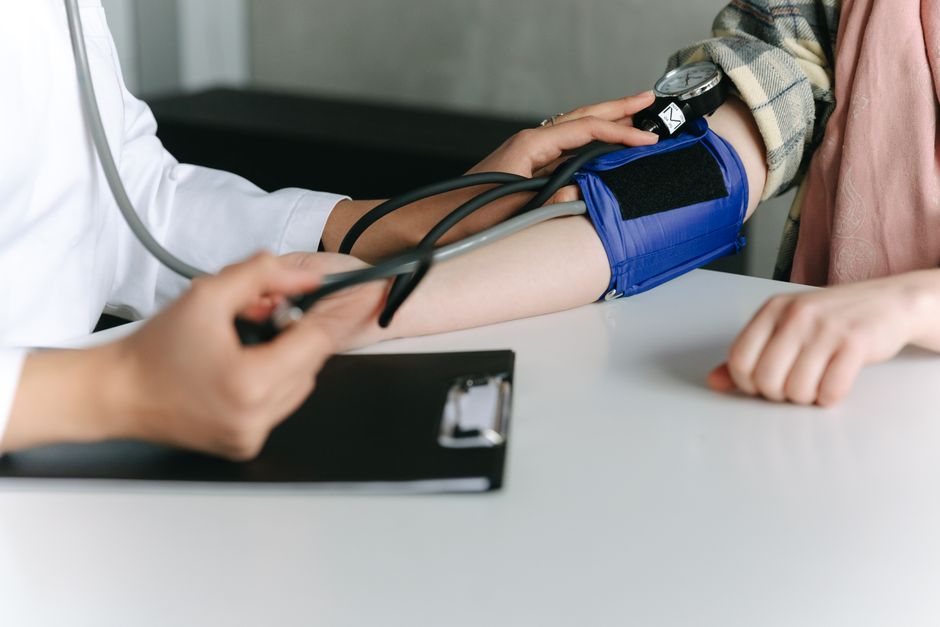
High blood pressure affects nearly half of all adults in the United States. The good news is that it can be managed and often improved with a clear, step‑by‑step plan. To fix high blood pressure, start by making these proven changes: lower your sodium intake, follow the DASH diet, get at least 150 minutes of moderate exercise each week, maintain a healthy weight, limit alcohol, and manage stress. These steps work together to reduce pressure on your arteries and lower your numbers. Most people also need medication prescribed by a doctor to reach a safe target. This article explains exactly what to do and what the evidence shows.
What is high blood pressure and why does it matter?
Blood pressure is the force of blood pushing against the walls of your arteries. It is measured as two numbers: systolic (the top number) measures pressure when your heart beats, and diastolic (the bottom number) measures pressure between beats. Normal blood pressure is below 120/80 mm Hg. High blood pressure, or hypertension, is diagnosed when readings are consistently at or above 130/80 mm Hg.
Over time, high pressure damages arteries and increases the risk of heart attack, stroke, kidney disease, and vision loss. It often has no symptoms, which is why it is called a silent killer. The goal of treatment is to bring blood pressure below 130/80 for most adults, though your doctor may set a different target based on your overall health.
How to fix high blood pressure? Step by step
This is the core question. Below is a step‑by‑step approach based on current medical guidelines. Not every step works for everyone, but these are the actions with the strongest evidence.
- Step 1: Measure your blood pressure accurately. Use a validated home monitor. Sit quietly for five minutes before taking a reading. Take two readings one minute apart and average them. Record your numbers to share with your doctor.
- Step 2: Reduce sodium. The American Heart Association recommends limiting sodium to 1,500 mg per day for most adults with high blood pressure. That’s about two‑thirds of a teaspoon of salt. Read food labels — processed foods are the biggest source.
- Step 3: Eat the DASH diet. The Dietary Approaches to Stop Hypertension (DASH) diet is rich in fruits, vegetables, whole grains, low‑fat dairy, and lean protein. It emphasizes potassium, magnesium, and calcium, which help lower pressure. Studies have shown it can reduce systolic blood pressure by 8–14 mm Hg.
- Step 4: Get regular physical activity. Aim for at least 150 minutes of moderate‑intensity aerobic exercise each week — brisk walking, cycling, swimming. Exercise makes your heart stronger and arteries more flexible, lowering resting blood pressure by 5–8 mm Hg.
- Step 5: Lose excess weight. Even a 5‑ to 10‑pound weight loss can lower blood pressure if you are overweight. For every kilogram (about 2.2 lb) lost, systolic pressure can drop by about 1 mm Hg.
- Step 6: Limit alcohol. Moderate drinking means one drink per day for women and two for men. More than that raises blood pressure significantly.
- Step 7: Manage stress. Chronic stress may contribute to high pressure. Mindfulness, deep breathing, and adequate sleep (7–9 hours nightly) can help, though the evidence for direct blood pressure reduction is less strong than for diet and exercise.
- Step 8: Take medication if prescribed. Many people with hypertension need two or more medications to reach target. Drugs like thiazide diuretics, ACE inhibitors, ARBs, and calcium channel blockers are safe and effective when taken as directed. Never stop medication without talking to your doctor.
These steps are not optional extras. When done consistently, they can bring blood pressure down into a safe range. But they require commitment and often medical supervision.
How quickly can lifestyle changes lower blood pressure?
Some changes work fast. Reducing sodium can lower pressure within a few days. The DASH diet shows measurable effects in about two weeks. Exercise lowers pressure within a few weeks of consistent effort. Weight loss takes longer — benefits accumulate over months. Medications work within hours to weeks depending on the drug class.
Do not expect overnight fixes. Blood pressure control is a long‑term process. If you have very high readings (above 180/120), that is a hypertensive emergency — seek medical attention immediately.



Can natural supplements help lower blood pressure?
Some supplements have been studied, but the evidence is limited and inconsistent. Potassium supplements may help if you are deficient, but getting potassium from food (bananas, potatoes, spinach) is safer and more effective. Magnesium, CoQ10, garlic extract, and fish oil have some small studies showing modest benefit, but no large trials confirm they can replace standard treatment.
Be cautious: natural does not mean harmless. Supplements can interact with prescription medications. For example, St. John’s wort can interfere with blood pressure drugs. Talk to your doctor before starting any supplement for hypertension.
When should you see a doctor about high blood pressure?
If your home readings are consistently above 130/80, schedule an appointment. Your doctor will confirm the diagnosis with multiple readings and order tests to check for kidney damage, diabetes, or other causes. They will also discuss lifestyle changes and prescribe medication if needed.
If you have a single reading above 180/120 or symptoms like chest pain, shortness of breath, severe headache, or vision changes, call 911. That is a hypertensive crisis.
How often should you check your blood pressure at home?
Once you are diagnosed, check your blood pressure daily at the same time — morning and evening. Record the numbers to share with your doctor. After your pressure is stable, you can check two to three times per week. Regular monitoring helps you see if lifestyle changes and medications are working.
Make sure your monitor is calibrated correctly. Bring it to your doctor’s office once a year to compare readings with their equipment.
What about stress and breathing techniques?
Stress alone does not cause chronic hypertension, but it can cause temporary spikes. Relaxation techniques like deep breathing, meditation, and yoga have been studied, but the evidence for sustained blood pressure reduction is weaker than for diet, exercise, and medication. The American Heart Association concludes that the effects of stress management on blood pressure are modest and inconsistent.
That said, managing stress is still worthwhile for overall health. Just do not rely on it as your primary strategy.
Frequently Asked Questions
Can high blood pressure be cured permanently?
For most people, high blood pressure is a chronic condition that requires ongoing management rather than a cure. Through lifestyle changes and medication, you can bring it into a normal range, but stopping those changes usually causes it to return.
What is the fastest way to lower blood pressure naturally?
Cutting sodium quickly and taking a brisk walk can lower pressure within hours to days. However, these effects are temporary — long‑term control requires consistent diet and exercise changes.
Is it safe to stop blood pressure medication once levels are normal?
No. Stopping medication without a doctor’s supervision can cause dangerous spikes in blood pressure. Some people may be able to reduce or stop medication after sustained lifestyle changes, but only under medical guidance.
How does the DASH diet compare to a low‑sodium diet alone?
The DASH diet reduces sodium and also increases potassium, magnesium, and fiber, which work together to lower blood pressure more effectively than sodium restriction alone. Studies show the DASH diet can lower systolic pressure by 8–14 mm Hg, while sodium reduction alone typically lowers it by 2–8 mm Hg.
