
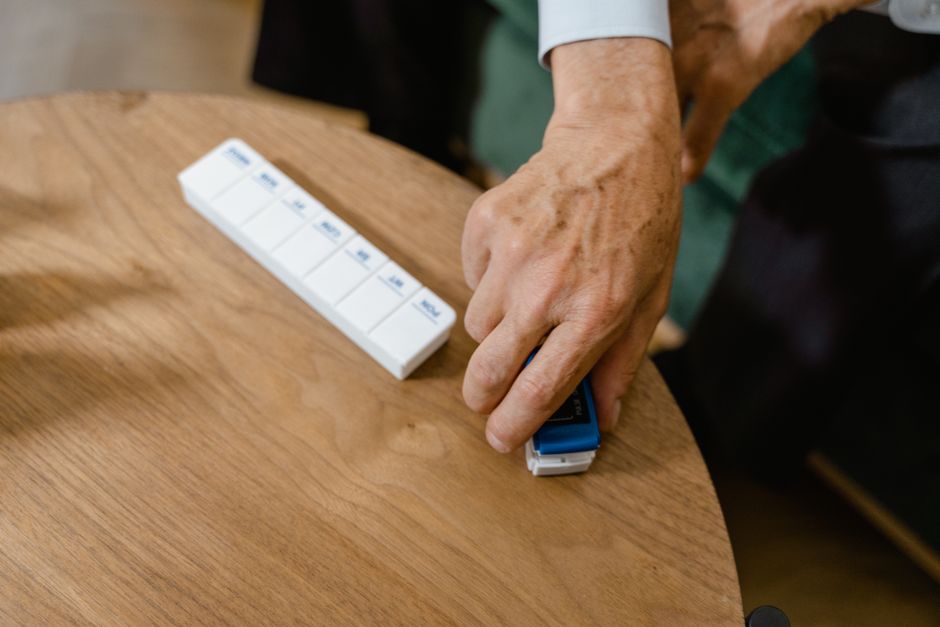
A single 25 mg dose of metoprolol typically lowers systolic blood pressure by 10 to 15 mmHg and diastolic pressure by 5 to 10 mmHg within a few hours. This effect is strongest in people with high blood pressure, not those with normal readings. The drop is real, but it is not a cure—it is a temporary reduction that lasts about 12 to 24 hours depending on the version you take.
How Much Does 25 Mg Of Metoprolol Lower Blood Pressure On Average?
Research shows the average drop is about 12 mmHg systolic and 8 mmHg diastolic for a 25 mg dose of metoprolol tartrate, the immediate-release form. This comes from clinical trials where patients with mild to moderate hypertension took a single dose and had their blood pressure measured at peak effect, which is around two to four hours after swallowing the pill.
The numbers vary from person to person. Someone with a starting blood pressure of 150/90 mmHg might see a drop to 138/82 mmHg. Someone starting at 130/80 mmHg might only see a small change, maybe 5 mmHg systolic. The higher your starting pressure, the more metoprolol tends to lower it. This is a common pattern with most blood pressure drugs, not just beta blockers.
For the extended-release version, metoprolol succinate, the same 25 mg dose produces a similar total effect but spread out over 24 hours. The peak drop is slightly smaller, but the blood pressure stays lower more consistently throughout the day. Current research suggests the succinate form is preferred for long-term use because it gives smoother control.
How Long Does It Take For 25 Mg Of Metoprolol To Lower Blood Pressure?
You will feel the effect within one to two hours after taking it. The maximum drop happens at about two to four hours for the immediate-release tartrate form. For the extended-release succinate form, the peak is more gradual, hitting around four to six hours after the dose.
After the peak, blood pressure slowly rises back toward baseline. With immediate-release metoprolol, the effect largely wears off after 12 hours. That is why doctors often prescribe it twice a day. With extended-release, the effect lasts closer to 24 hours, so one daily dose is usually enough.
Do not expect an instant fix. If you take it and check your blood pressure 15 minutes later, you will see almost no change. The drug needs time to reach your bloodstream and start working on your heart and blood vessels. Patience matters here.
What Factors Change How Much 25 Mg Of Metoprolol Lowers Your Blood Pressure?
Your body weight plays a role. A 25 mg dose is a low starting dose, often used for people who are sensitive to beta blockers or have mild hypertension. Someone who weighs 250 pounds may get a smaller blood pressure drop than someone who weighs 130 pounds because the dose is not adjusted for size. Doctors sometimes increase the dose gradually based on how you respond.
Your genetics also matter. Some people metabolize metoprolol slowly because of a common genetic variation in the CYP2D6 enzyme. Slow metabolizers can end up with higher drug levels in their blood, which can cause a larger blood pressure drop and more side effects like dizziness or a slow heart rate. Fast metabolizers may get less effect from the same 25 mg dose.
Other medications and foods can interfere. Taking metoprolol with a high-fat meal can reduce how much of the drug gets absorbed, especially with the extended-release form. Combining it with other blood pressure drugs like ACE inhibitors or calcium channel blockers can add to the lowering effect. Alcohol can also amplify the drop, sometimes leading to dangerous dips in blood pressure.



Is 25 Mg Of Metoprolol Enough To Control High Blood Pressure Long-Term?
For many people, 25 mg is a starting dose, not a final dose. Clinical guidelines typically recommend starting at 25 to 50 mg once or twice daily and then adjusting based on response. Some people do well on 25 mg, especially if their hypertension is mild, but most need higher doses to reach target blood pressure levels under 130/80 mmHg.
A study published in the Journal of Clinical Hypertension found that only about 30 percent of patients reached their blood pressure goal on 25 mg of metoprolol alone. The rest needed either a higher dose or an additional medication. This is not a failure of the drug. It just reflects that hypertension is often complex and requires more than one tool.
Doctors rarely use metoprolol as a first-choice drug for high blood pressure anymore. Current guidelines from the American College of Cardiology and the European Society of Hypertension recommend thiazide diuretics, ACE inhibitors, or calcium channel blockers as first-line options. Metoprolol is still used, but often for people who also have heart conditions like angina, heart failure, or a history of heart attack. In those cases, 25 mg may be enough to protect the heart even if it does not fully normalize blood pressure.
What Are The Common Side Effects Of 25 Mg Metoprolol?
The most common side effects are fatigue, dizziness, and a slow heart rate. Fatigue happens because metoprolol blocks adrenaline from stimulating your heart, which lowers your heart rate and can make you feel tired, especially during exercise. Dizziness often occurs when you stand up too quickly because the drug can lower blood pressure enough to cause a temporary drop in blood flow to the brain.
A slow heart rate, called bradycardia, is expected but can be problematic if your resting heart rate drops below 50 beats per minute. If that happens, you may feel lightheaded or short of breath. Your doctor may adjust the dose or switch to a different beta blocker.
Less common side effects include cold hands and feet, trouble sleeping, and digestive issues like nausea or constipation. Some people also report vivid dreams or nightmares, especially if they take the dose at night. These effects are usually mild and go away after a few weeks as your body adjusts. If they persist, talk to your doctor rather than stopping the drug suddenly, which can cause a dangerous spike in blood pressure.
| Side Effect | How Common | What To Do |
|---|---|---|
| Fatigue | Very common (up to 30%) | Take at bedtime; exercise regularly |
| Dizziness | Common (10-20%) | Stand up slowly; stay hydrated |
| Slow heart rate | Common (5-15%) | Monitor pulse; report below 50 bpm |
| Cold hands/feet | Less common (5%) | Wear warm socks; avoid smoking |
| Insomnia/vivid dreams | Less common (3-5%) | Take in morning if possible |
What Should You Avoid While Taking 25 Mg Metoprolol?
Avoid stopping the drug suddenly. If you have been taking it for more than a few weeks, your body has adjusted to the lower heart rate and blood pressure. Stopping abruptly can cause a rebound effect where your blood pressure spikes higher than before, and your heart rate can race dangerously. This is called beta blocker withdrawal syndrome. Always taper off under a doctor’s supervision.
Be careful with other medications that slow your heart rate. Combining metoprolol with drugs like verapamil, diltiazem, or digoxin can cause excessive bradycardia. Your doctor should monitor you closely if you need any of these together. Over-the-counter cold medicines that contain decongestants like pseudoephedrine can raise your blood pressure and counteract the effect of metoprolol.
Avoid drinking alcohol in large amounts. Alcohol can lower blood pressure further and increase the risk of dizziness and fainting. One drink is usually fine, but more than that can be risky, especially if you are just starting the medication or increasing your dose. Also, be cautious with nonsteroidal anti-inflammatory drugs like ibuprofen or naproxen, which can raise blood pressure and reduce the effectiveness of metoprolol.
Common Misconceptions About 25 Mg Metoprolol
Some people think that if 25 mg works well, double the dose will work twice as well. That is not how beta blockers work. The dose-response curve flattens out, meaning higher doses give smaller additional benefits but can increase side effects. Doubling from 25 mg to 50 mg might only add a few mmHg of extra blood pressure lowering.
Another myth is that metoprolol lowers blood pressure by relaxing blood vessels directly. It actually works by blocking beta receptors in the heart, which reduces heart rate and the force of each heartbeat. Less blood pumped per minute means lower pressure. Some of the effect comes from reduced renin release from the kidneys, but direct vasodilation is minimal.
Some patients believe they can stop taking it once their blood pressure is normal. Blood pressure medications control the condition but do not cure it. If you stop, your blood pressure will likely go back up within days. The only exception is if lifestyle changes like weight loss, exercise, and a low-sodium diet have been so effective that your doctor agrees to reduce or stop the medication.
Frequently Asked Questions
How fast does 25 mg metoprolol lower blood pressure?
It starts working within one to two hours, with the maximum effect at two to four hours for immediate-release and four to six hours for extended-release. The effect lasts 12 to 24 hours depending on the version.
Can 25 mg metoprolol cause low blood pressure?
Yes, especially if you are sensitive to the drug, take other blood pressure medications, or have a low starting blood pressure. Symptoms include dizziness, fainting, and fatigue.
Is 25 mg of metoprolol a low dose?
Yes, 25 mg is the lowest standard starting dose for hypertension. Doctors often start here and increase gradually based on your response and tolerance.
Can I take 25 mg metoprolol with food?
You can, but a high-fat meal can reduce absorption of the extended-release version. Taking it with a light meal or on an empty stomach is usually recommended for consistent effects.
