

Vitamin B6 does not directly lower blood pressure in most people, but it plays a supporting role in heart health by helping the body process homocysteine, an amino acid linked to blood vessel damage. Some small studies suggest B6 may slightly reduce blood pressure when combined with other B vitamins, but the effect is modest at best. If you have healthy kidneys and a balanced diet, taking extra B6 for blood pressure control is unlikely to make a noticeable difference. The real story is more about what B6 does behind the scenes and where its limits are.
What Does the Research on Vitamin B6 and Blood Pressure Actually Show?
The strongest evidence comes from studies on homocysteine, not blood pressure directly. High homocysteine levels are linked to stiff arteries and higher blood pressure. Vitamin B6, along with folate and B12, helps break down homocysteine into harmless substances. Research published in the Journal of the American Medical Association found that lowering homocysteine with B vitamins did reduce stroke risk in some groups, but the blood pressure changes were small.
A 2020 meta-analysis in Hypertension Research looked at multiple trials on B vitamins and blood pressure. It found that B6 supplementation lowered systolic blood pressure by about 2-3 mmHg on average. That is a real but minor change. For comparison, cutting back on salt typically drops blood pressure by 5-6 mmHg. The studies that showed the biggest effects used high doses of B6 — often 25-50 mg per day — which is well above the recommended dietary allowance of 1.3-1.7 mg for adults.
Several of these studies combined B6 with folate and B12, making it hard to know how much credit B6 deserves on its own. When researchers isolated B6 alone, the results were inconsistent. Some people saw improvement, others did not. The takeaway is clear: B6 is not a blood pressure medication. It may help in specific situations, but it is not a reliable treatment.
How Does Vitamin B6 Affect the Body’s Blood Pressure Systems?
Vitamin B6 is involved in over 100 enzyme reactions in the body. Two of those matter for blood pressure. First, B6 helps produce neurotransmitters like serotonin and dopamine, which influence how blood vessels relax and constrict. Second, B6 is a cofactor in the synthesis of nitric oxide, a molecule that signals blood vessels to widen. Low nitric oxide is linked to high blood pressure.
There is also the homocysteine connection. When homocysteine builds up, it damages the inner lining of blood vessels, called the endothelium. Damaged endothelium cannot regulate blood pressure well. B6 helps clear homocysteine, which may protect the endothelium over time. But this process takes months or years, not days. It is a long-term maintenance role, not an acute fix.
Some people have a genetic variant called MTHFR that impairs homocysteine processing. For these individuals, B6 supplementation may be more helpful. The CDC estimates that about 30-40% of the US population has some form of MTHFR variant. If you have this variant and high homocysteine, B6 might matter more for your blood pressure than for someone without it. But routine testing for MTHFR is not standard, and most doctors do not check homocysteine levels unless there is a specific reason.
What Are the Real Side Effects and Risks of Taking Vitamin B6?
Vitamin B6 is water-soluble, meaning excess is usually flushed out in urine. But that does not mean high doses are harmless. Taking more than 100 mg per day for months can cause nerve damage, called peripheral neuropathy. Symptoms include numbness, tingling, and pain in the hands and feet. This is reversible if caught early, but it can take months to recover.
The National Institutes of Health sets the tolerable upper intake level for B6 at 100 mg per day for adults. Many supplements contain 50 mg or 100 mg per capsule. Taking one or two a day puts you near or over that limit. Some people take B6 for conditions like morning sickness or carpal tunnel syndrome at doses of 100-200 mg daily, and this is where the risk rises. Stick to doses under 50 mg per day unless a doctor monitors you.
Common side effects at lower doses are rare but can include nausea, stomach upset, and headache. These are usually mild and go away as your body adjusts. B6 can also interact with certain medications, including levodopa for Parkinson’s disease and some antibiotics. If you take prescription drugs, check with a pharmacist before adding B6.

How Does Vitamin B6 Compare to Other Nutrients for Blood Pressure?
If your goal is lowering blood pressure, B6 is not the first nutrient to focus on. The table below shows how it stacks up against other well-studied options.
| Nutrient | Typical Blood Pressure Effect | Strength of Evidence | Notes |
|---|---|---|---|
| Potassium | Lowers 4-5 mmHg systolic | Strong | Found in bananas, potatoes, leafy greens |
| Magnesium | Lowers 2-3 mmHg systolic | Moderate | Best from food; supplements help if deficient |
| Vitamin B6 | Lowers 2-3 mmHg systolic (when combined) | Moderate to weak | Effect is inconsistent and dose-dependent |
| Vitamin D | Minimal direct effect | Weak | Helps overall health but not a BP treatment |
| Fish Oil (Omega-3) | Lowers 3-4 mmHg systolic | Moderate | Requires 2-3 grams daily for effect |
Potassium and magnesium have more consistent data behind them. The DASH diet, which is rich in potassium, magnesium, and calcium, has been shown to lower systolic blood pressure by 8-14 mmHg in clinical trials. That is a far bigger effect than anything seen with B6 alone. If you are looking for dietary changes that work, start with potassium and magnesium before adding B6.
What Should You Do If You Want to Try Vitamin B6 for Blood Pressure?
If you decide to try B6, do it with realistic expectations. A dose of 10-25 mg per day is safe for most people and may provide a small benefit over months. Higher doses do not give better results and increase the risk of nerve damage. Always take B6 with food to reduce stomach upset.
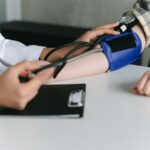
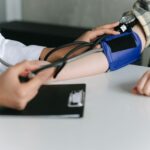
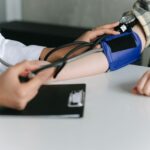
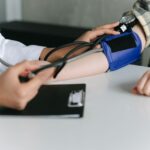
Before starting any supplement, check your baseline. Have your blood pressure measured at a pharmacy or doctor’s office. If it is above 130/80 mmHg, talk to your doctor before relying on supplements. B6 is not a replacement for lifestyle changes like reducing sodium, increasing physical activity, or losing weight. The American Heart Association recommends these as first-line strategies.
One practical step is to get B6 from food instead of pills. Good sources include chickpeas, poultry, fish, potatoes, bananas, and fortified cereals. A single cup of chickpeas provides about 1.1 mg of B6. A banana gives about 0.4 mg. It is hard to get therapeutic doses from food alone, but food sources come with other nutrients that support blood pressure, like potassium and fiber.
Track your blood pressure at home if you try B6. Use a validated monitor and take readings at the same time each day. If after three months you see no change, B6 is probably not working for you. Do not keep increasing the dose hoping for a different result. The evidence does not support that approach.
Common Misconceptions About Vitamin B6 and Blood Pressure
One myth is that B6 can replace blood pressure medication. This is false and dangerous. No clinical trial has shown that B6 alone can control high blood pressure in people with hypertension. If you are on medication, do not stop or reduce it without your doctor’s input. Supplements are complementary at best.
Another misconception is that more B6 is better. The body can only process a limited amount at a time. Excess B6 is excreted, but at high doses it accumulates in nerve tissue and causes damage. More is not better. The sweet spot for supplementation is 10-50 mg daily, and only if you have a reason to take it.
Some people believe that B6 works instantly. It does not. The homocysteine pathway takes weeks to show changes. Blood vessel repair takes months. If you feel no difference after a week, that is normal. But if you see no change in blood pressure after three to six months, B6 is not the answer for you.
Frequently Asked Questions
Can vitamin B6 lower blood pressure quickly?
No, vitamin B6 does not lower blood pressure quickly. Any effect from B6 takes weeks to months because it works through long-term processes like homocysteine metabolism and blood vessel health.
What is the best dose of vitamin B6 for blood pressure?
Most studies used 10-50 mg per day for blood pressure support. Doses above 100 mg daily increase the risk of nerve damage and are not recommended without medical supervision.
Does vitamin B6 work better with other B vitamins?
Yes, research suggests B6 works best when combined with folate and vitamin B12. These three B vitamins work together to lower homocysteine, which may support blood vessel health and blood pressure.
Should I take vitamin B6 if I already take blood pressure medication?
Talk to your doctor first. Vitamin B6 is generally safe with most blood pressure medications, but it should not replace your prescribed treatment. Your doctor can check for any interactions.
