

Cold exposure makes your blood vessels narrow. This is called vasoconstriction. When your blood vessels get tighter, your heart has to work harder to push blood through them. This raises your blood pressure. For most people, being in the cold can raise systolic blood pressure by 5 to 15 mmHg. The exact increase depends on how cold it is, how long you are exposed, and your overall health. This is a normal physical response, not a sign something is wrong.
Your body is trying to keep your core warm. It pulls blood away from your skin and into your center. This protects your vital organs. But it also puts more pressure on your arteries. For someone with healthy blood pressure, this temporary rise is not a problem. For someone with hypertension or heart disease, the same response can be risky. Understanding how cold affects your numbers helps you know when to be careful.
Does How Much Does Being Cold Raise Blood Pressure Actually Work?
Yes, the mechanism is well understood. When your skin senses cold, your nervous system sends a signal. Your blood vessels constrict. Your heart rate may increase slightly. This combination pushes blood pressure up. The American Heart Association notes that blood pressure readings are often higher in winter months for this reason.
The rise is not the same for everyone. A healthy person walking in 40-degree weather for ten minutes might see a 5-point increase. Someone with existing hypertension could see a 15-point jump in the same conditions. The colder the temperature, the bigger the response. Wind and wet conditions make it worse because they pull heat away from your body faster.
What Does the Research on Cold and Blood Pressure Show?
Research published in the journal Hypertension found that outdoor temperature and blood pressure are linked. For every 10-degree Fahrenheit drop in temperature, systolic blood pressure rose by about 1.3 mmHg on average. That might sound small. But it adds up over a whole season of cold weather.
Another study in PLOS ONE looked at people with untreated hypertension. They found that cold exposure raised both systolic and diastolic readings. The effect was strongest in older adults. People over 65 had a more dramatic response to cold than younger people. Their blood vessels are less flexible to begin with, so the cold constriction hits them harder.
The CDC also tracks seasonal patterns in blood pressure. Their data shows that blood pressure control gets worse in winter. More people have high readings at doctor visits from December through February. This is not just because of holiday eating. Cold weather plays a real role.
How Long Does the Blood Pressure Rise Last?
For most people, the rise is temporary. Once you warm up, your blood vessels relax. Blood pressure returns to normal within 15 to 30 minutes. If you go from a cold car into a warm house, your body adjusts quickly.
But there is a catch. If you stay in cold conditions for hours, your blood pressure stays elevated the whole time. People who work outdoors in winter, like construction workers or mail carriers, may have higher readings all day. The same applies to someone who keeps their house too cold to save on heating bills. Chronic cold exposure can keep blood pressure slightly higher for days or weeks.
This is different from acute cold exposure. A quick walk in the cold is not dangerous for most people. The risk comes from prolonged exposure or sudden extreme cold, like falling into icy water. Those situations can cause a sharp spike that is dangerous for anyone with heart disease.


Who Should Be Most Concerned About Cold and Blood Pressure?
People with uncontrolled hypertension need to be careful. If your resting blood pressure is already above 140/90, cold exposure can push it higher. The same goes for people with heart disease or a history of stroke. The added pressure on blood vessels increases the risk of a cardiovascular event.
Older adults are more vulnerable. Their blood vessels do not expand and contract as easily. The cold response is stronger and recovery is slower. If you are over 65, a sudden cold blast can raise your blood pressure more than it would for a 40-year-old.
People on blood pressure medication should also pay attention. Some medications, like beta-blockers, can blunt your body’s ability to respond to cold. This does not mean you should stop taking them. It means you need to be aware that your body may not adjust as well to temperature changes.
Here is a quick comparison of how different groups respond to cold:
| Group | Typical BP Rise in Cold | Risk Level |
|---|---|---|
| Healthy adult under 50 | 5-8 mmHg | Low |
| Adult with treated hypertension | 8-12 mmHg | Moderate |
| Adult over 65 | 10-15 mmHg | Moderate to high |
| Adult with uncontrolled hypertension | 10-20 mmHg | High |
What Actually Helps Reduce the Blood Pressure Effect of Cold?
Layering clothing is the most effective strategy. The goal is to trap warm air against your skin. A base layer that wicks moisture, a middle layer for insulation, and an outer layer that blocks wind. Cover your head and hands. A significant amount of body heat is lost through the head and extremities.
Warm up gradually when you come inside. Do not jump into a hot shower immediately. The sudden temperature change can cause a different kind of stress on your blood vessels. Take off your coat and hat first. Let your body adjust for a few minutes in a moderately warm room before going into a hot environment.
Stay hydrated. Dehydration makes your blood thicker and harder to pump. This increases the workload on your heart. In cold weather, people often do not feel thirsty. Drink water anyway. Avoid alcohol before going out in the cold. Alcohol dilates blood vessels near the skin, which makes you lose heat faster and can cause a dangerous drop in core temperature.
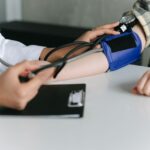
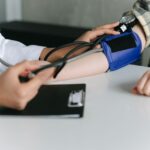
Monitor your blood pressure at home if you have hypertension. Take readings at the same time each day. Compare your numbers on cold days versus warm days. This gives you real data about your personal response. Talk to your doctor if you see a consistent pattern of higher readings in winter.
Common Misconceptions About Cold and Blood Pressure
One common myth is that cold showers lower blood pressure. This is not supported by evidence. Some people report feeling invigorated after a cold shower, but the immediate effect is vasoconstriction and a temporary rise in blood pressure. If you already have high blood pressure, a cold shower can make it worse in the short term.
Another myth is that you should avoid going outside in cold weather if you have hypertension. That is not true for most people. Brief exposure is fine. The risk comes from prolonged cold or from going out without proper clothing. A 15-minute walk in 30-degree weather with a warm coat and hat is not dangerous.
Some people think that if they feel warm, their blood pressure is fine. This is false. You can feel warm indoors in winter because your house is heated, but stepping outside for even a few minutes can trigger a blood pressure spike. The feeling of warmth does not protect you from the cold response.
There is also a belief that cold weather causes a permanent rise in blood pressure. It does not. The rise is temporary and reversible. Once you are back in a warm environment, your blood pressure should return to your normal baseline. If it does not, that is not due to the cold. That is an underlying health issue that needs medical attention.
What to Avoid When Managing Blood Pressure in Cold Weather
Avoid shoveling snow if you have uncontrolled hypertension or heart disease. Shoveling is a combination of cold exposure and intense physical exertion. This is a dangerous mix. The cold constricts your vessels, and the exertion demands more oxygen from your heart. Together, they can trigger a heart attack. Many heart attacks in winter happen during or right after snow shoveling.
Avoid going from extreme cold to extreme heat quickly. Do not go from a freezing car into a sauna or hot tub. The rapid temperature change puts stress on your cardiovascular system. Your blood vessels have to dilate quickly after being constricted. This can cause a sudden drop in blood pressure that makes you dizzy or faint.
Avoid skipping your blood pressure medication in winter. Some people stop taking medication because they feel fine. But cold weather is exactly when you need consistent control. If your medication is working, your blood pressure is stable. Skipping doses can allow your numbers to rise, and cold exposure will make that rise worse.
Avoid relying on caffeine to warm up. Caffeine is a stimulant that can increase heart rate and blood pressure. Drinking hot coffee before going out in the cold may make you feel warmer, but it can add to the blood pressure increase. The same applies to energy drinks. Warm tea or warm water is a better choice.
Frequently Asked Questions
Can being cold cause a hypertensive crisis?
Yes, in rare cases. If your blood pressure is already very high, extreme cold exposure can push it into crisis range above 180/120. This is an emergency and requires immediate medical attention.
How long does it take for blood pressure to go down after coming inside?
For most people, blood pressure returns to normal within 15 to 30 minutes of being in a warm environment. It can take longer for older adults or people with hypertension.
Does cold weather make blood pressure medication less effective?
No, the medication still works. But cold exposure can raise your blood pressure above what the medication can control. You may need a dose adjustment from your doctor during winter months.
Is it safe to exercise outside in cold weather with high blood pressure?
It depends on how well your blood pressure is controlled. If it is well controlled, moderate exercise is safe with proper clothing. If it is uncontrolled, indoor exercise is a better choice until you talk to your doctor.
