
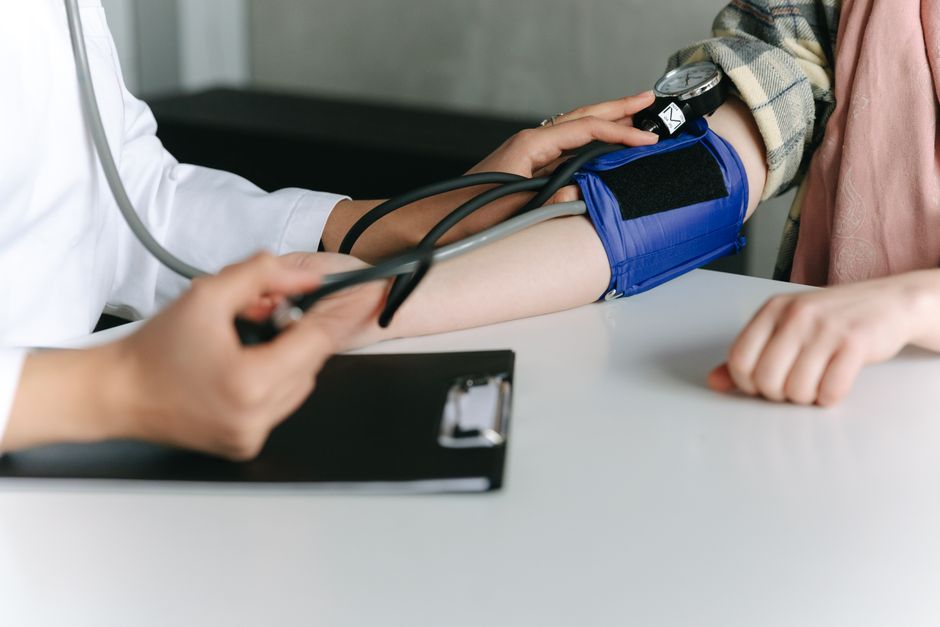
If your blood pressure is creeping up, changing what you eat is one of the most effective steps you can take. The evidence is clear: a diet rich in potassium, magnesium, fiber, and low in sodium can lower systolic blood pressure by 5 to 11 mmHg within weeks. Focus on vegetables, fruits, whole grains, lean proteins, and healthy fats while cutting back on processed foods and salt. This is not about a single magic food — it is about a pattern of eating that works with your body’s natural systems.
What Does the Research on What To Eat To Lower High Blood Pressure Show?
The strongest evidence points to the DASH diet — Dietary Approaches to Stop Hypertension. The National Institutes of Health sponsored two landmark studies in the 1990s that still guide recommendations today. Participants who followed the DASH diet saw their systolic blood pressure drop by an average of 11.4 mmHg. That is comparable to some blood pressure medications.
The DASH diet is not complicated. It emphasizes fruits, vegetables, whole grains, and low-fat dairy while limiting red meat, sweets, and saturated fats. The key is the combination of nutrients working together. Potassium helps relax blood vessel walls. Magnesium supports healthy blood flow. Fiber reduces cholesterol and improves insulin sensitivity. None of these work as well alone as they do together.
A 2021 analysis in the Journal of the American College of Cardiology confirmed that the DASH diet reduces cardiovascular events by about 20% over ten years. This is not a fad. This is decades of consistent data.
Which Specific Foods Lower Blood Pressure Best?
Leafy greens like spinach, kale, and Swiss chard are high in potassium and magnesium. A single cup of cooked spinach provides about 840 mg of potassium — roughly 18% of the daily recommended intake. Beets are another standout. Research published in the journal “Nitric Oxide” found that drinking 250 mL of beetroot juice lowered systolic blood pressure by about 5 mmHg within 3 to 6 hours. Beets are rich in nitrates that your body converts to nitric oxide, which relaxes and widens blood vessels.
Berries, particularly blueberries and strawberries, contain anthocyanins. A 2019 study in the journal “Nutrients” followed women who ate three or more servings of blueberries per week. They had an 8% lower risk of developing high blood pressure compared to women who ate fewer berries. The effect is modest but real.
Bananas are the most well-known potassium source, but they are not the most potent. A medium banana has about 420 mg of potassium. A medium sweet potato has about 540 mg. A cup of cooked white beans has over 1,000 mg. Fatty fish like salmon and mackerel provide omega-3 fatty acids, which reduce inflammation and improve blood vessel flexibility. The American Heart Association recommends two servings of fatty fish per week.
How Does Sodium Fit Into What To Eat To Lower High Blood Pressure?
Sodium is the single biggest dietary factor in blood pressure for most people. The average American consumes about 3,400 mg of sodium per day. The American Heart Association recommends no more than 2,300 mg per day, with an ideal limit of 1,500 mg for people with high blood pressure. Every 1,000 mg reduction in daily sodium intake can lower systolic blood pressure by about 5 to 6 mmHg.
Most sodium does not come from your salt shaker. It comes from processed foods. Bread, cold cuts, pizza, canned soups, and condiments are the biggest sources. A single slice of bread can have 150 to 200 mg of sodium. A cup of canned chicken noodle soup can have over 800 mg. Reading labels is not optional — it is essential.
Potassium counteracts sodium. The ideal sodium-to-potassium ratio is around 1:2 or lower. Most Americans eat a ratio closer to 2:1. Increasing potassium-rich foods while cutting sodium is more effective than doing either alone.


What About Caffeine, Alcohol, and Other Common Questions?
Caffeine gets a lot of attention, but the evidence is mixed. For people who do not regularly consume caffeine, a single cup of coffee can raise blood pressure temporarily by 5 to 10 mmHg. For regular coffee drinkers, this effect largely disappears. A 2017 meta-analysis in the “Journal of Hypertension” found no long-term link between coffee consumption and increased blood pressure. If you already drink coffee, you likely do not need to stop. If you are sensitive to caffeine, switching to decaf or limiting to one cup per day is reasonable.
Alcohol is a different story. Heavy drinking — three or more drinks per day — consistently raises blood pressure. The effect is dose-dependent. A 2020 study in “Hypertension” found that reducing alcohol intake from heavy to moderate levels lowered systolic blood pressure by about 5 mmHg. The safest amount for blood pressure is none, but moderate drinking — one drink per day for women, two for men — is generally acceptable.
Dark chocolate with at least 70% cocoa contains flavanols that can modestly lower blood pressure. A 2017 Cochrane review found that eating flavanol-rich cocoa for 2 to 18 weeks reduced systolic blood pressure by about 2 mmHg. That is a small effect, not a treatment. Enjoy it as a treat, not a therapy.
How Quickly Can Diet Changes Lower Blood Pressure?
Blood pressure can start dropping within two weeks of changing your diet. The DASH diet studies saw significant reductions by the end of the first week. By four weeks, the full effect is usually visible. This is not a slow process.
For most people, the biggest drop comes from cutting sodium and increasing potassium simultaneously. A 2018 study in “Circulation” found that participants who followed a low-sodium DASH diet for four weeks saw an average systolic drop of 11.5 mmHg. Those who followed a low-sodium diet without the DASH food pattern saw a 7.5 mmHg drop. The combination is more powerful than either approach alone.
Results vary by individual. People with higher starting blood pressure tend to see larger drops. Those who are salt-sensitive — a trait more common in people over 50 and in Black individuals — may see even more dramatic improvements. If you do not see a change after six weeks, talk to your doctor. Medication may still be necessary.
What To Avoid When Trying To Lower Blood Pressure Through Diet
Processed meats like bacon, sausage, and deli turkey are high in sodium and preservatives. A single serving of deli meat can have 500 to 800 mg of sodium. Canned vegetables and beans often have added salt. Rinsing them under water can reduce sodium by up to 40%. Frozen vegetables without added sauces are fine.
Sugary drinks and refined carbohydrates can raise blood pressure indirectly by promoting weight gain and insulin resistance. A 2019 study in “JAMA Internal Medicine” found that people who drank one or more sugary beverages per day had a 26% higher risk of developing high blood pressure over four years. Water, unsweetened tea, and sparkling water with lemon are better choices.
Licorice — the real black kind made from licorice root — can raise blood pressure significantly. It contains glycyrrhizin, which causes the body to retain sodium and lose potassium. Even moderate amounts can cause a noticeable increase. If you have high blood pressure, avoid real licorice entirely. The red candy versions are fine.
Many “health” foods are also high in sodium. Salad dressings, flavored yogurts, and whole-grain crackers can pack surprising amounts of salt. Always check the label. A food is considered low in sodium if it has 140 mg or less per serving.
| Food | Serving Size | Potassium (mg) |
|---|---|---|
| White beans, cooked | 1 cup | 1,004 |
| Sweet potato, baked | 1 medium | 541 |
| Spinach, cooked | 1 cup | 839 |
| Banana | 1 medium | 422 |
| Salmon, cooked | 3 oz | 534 |
| Avocado | 1/2 fruit | 487 |
| Beet greens, cooked | 1 cup | 1,309 |
| Yogurt, plain low-fat | 1 cup | 573 |
Frequently Asked Questions
Can drinking more water lower blood pressure?
Water alone does not directly lower blood pressure. Staying hydrated helps your kidneys flush out sodium, which can help over time, but drinking extra water is not a treatment.
Is it safe to eat eggs if I have high blood pressure?
Yes. Eggs are not linked to higher blood pressure in most people. The concern about cholesterol has been largely overstated. One or two eggs per day is fine for most people.
Does eating garlic lower blood pressure?
Some studies suggest garlic supplements can lower systolic blood pressure by about 4 to 5 mmHg. Fresh garlic may have a small effect, but it is not a substitute for medication or diet changes.
Can I lower blood pressure by eating less sugar?
Cutting added sugar can help with weight loss and insulin sensitivity, which indirectly lowers blood pressure. Direct evidence is weaker than for sodium or potassium, but it is still a good idea.
