
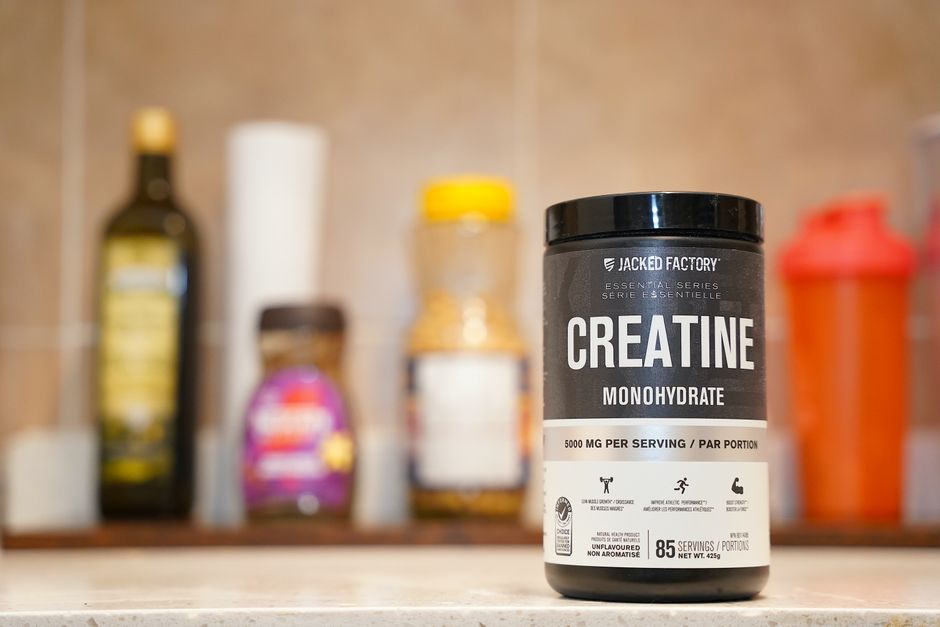
Yes, you should take creatine on rest days. The evidence is clear: consistent daily intake keeps your muscle stores saturated, which is what makes creatine work. Skipping days only slows your progress.
Creatine is not a pre-workout stimulant. It does not need to be timed around exercise. Your muscles hold it. They either have enough or they don’t. Taking it on rest days keeps them topped off so your next workout gets the full benefit.
Does Creatine Work Differently on Rest Days?
No. Creatine does the same thing every day regardless of whether you exercise. It helps your muscles produce more ATP, which is the energy currency your cells use. On a rest day, your muscles still use ATP for basic functions like repair and recovery.
The real question is whether you need the same amount on rest days. Research shows that once your muscles are fully saturated, a maintenance dose of 3 to 5 grams per day is enough to keep levels high. This applies to rest days and workout days equally. There is no evidence that your body needs less creatine when you are not training.
Some people report feeling fuller or more hydrated on rest days when they take creatine. This is likely just the normal effect of creatine pulling water into muscle cells. It is not a problem. It is how creatine works.
What Happens If You Skip Creatine on Rest Days?
Your muscle creatine levels slowly drop. It takes about four weeks of complete stopping for levels to return to baseline. But even skipping a few days each week can prevent you from reaching full saturation in the first place.
Think of it like filling a bucket with a small hole. Taking creatine daily keeps the bucket full. Skipping days lets some water drain out. You can still fill it back up, but you never reach the top if you keep pausing.
The loading phase is where this matters most. If you are doing a loading phase of 20 grams per day for five to seven days, skipping rest days defeats the purpose. You want to saturate quickly so you can drop to a maintenance dose. Rest days are not an exception.
After the loading phase, missing a single rest day here and there will not ruin your progress. But making it a habit will keep you slightly below optimal levels. Most people do not notice the difference because the effect is gradual. Over months, it adds up.
Do You Take Creatine on Rest Days for Muscle Recovery?
Some studies suggest creatine may help with recovery. The idea is that creatine supports cellular energy production even when you are not training. This could help your muscles repair faster after a hard workout.
Evidence indicates that creatine supplementation can reduce muscle damage and inflammation after intense exercise. A 2021 review in the Journal of the International Society of Sports Nutrition found that creatine may improve recovery between bouts of exercise. This effect does not require you to take creatine right after a workout. It requires you to have consistently high muscle stores.
Taking creatine on rest days is one way to maintain those levels. If recovery is your goal, skipping rest days makes less sense. Your muscles need creatine most when they are repairing, not just when they are contracting.
Current research suggests the recovery benefits are modest. They are not dramatic. But they are real. And they depend on daily use, not just pre-workout timing.





What Is the Best Time to Take Creatine on Rest Days?
Timing does not matter on rest days. Creatine is not a stimulant. It does not need to be taken at a specific time to work. The only thing that matters is consistency.
Some people prefer taking it with a meal. There is some evidence that taking creatine with carbohydrates or protein may improve absorption slightly. But the difference is small. A 2023 analysis in Nutrients concluded that timing matters far less than total daily dose.
If you want to be practical, take it at the same time every day. This builds a habit and reduces the chance of forgetting. Morning with breakfast works well for many people. So does evening with dinner. Pick a time that fits your routine and stick with it.
One common question is whether taking creatine on rest days causes bloating. Some people do feel bloated when they start creatine because it pulls water into muscles. This is temporary and usually goes away after a few weeks. It is not harmful. If bloating bothers you, spread your dose throughout the day or take it with more water.
Comparison: Daily Creatine vs. Workout-Only Creatine
| Approach | Muscle Saturation | Recovery Support | Consistency Needed |
|---|---|---|---|
| Daily (including rest days) | High and stable | Continuous | Low effort once routine set |
| Workout days only | Fluctuates, may stay suboptimal | Inconsistent | Higher risk of forgetting |
The table shows a clear difference. Daily use keeps your levels high. Workout-only use leaves you guessing. There is no advantage to skipping rest days. The only reason people do it is because they think creatine is a pre-workout. It is not.
Common Misconceptions About Creatine on Rest Days
A widespread myth is that creatine causes kidney damage if taken every day. This is not supported by evidence. Multiple studies have shown that creatine is safe for healthy people at recommended doses. A 2021 review in the Journal of the International Society of Sports Nutrition confirmed no adverse effects on kidney function in healthy individuals.
Another misconception is that your body builds a tolerance to creatine. It does not. There is no need for cycling or taking breaks. You can take it daily for years without losing effectiveness. The only reason to stop is if you want to reduce water retention or if a doctor advises it for a specific medical condition.
Some people believe creatine only works if you take it right before a workout. This is false. Creatine works through saturation over days and weeks, not through acute timing. Taking it on rest days is not wasted. It is essential for maintaining saturation.
As of 2026, no major health organization advises against daily creatine use for healthy adults. The World Anti-Doping Agency does not ban it. The International Society of Sports Nutrition calls it one of the most effective and safe supplements available.
What to Avoid When Taking Creatine on Rest Days
Avoid taking more than the recommended dose on rest days. More is not better. Your muscles can only hold so much creatine. Excess is excreted in urine. Taking 10 grams on a rest day does nothing extra and may cause stomach discomfort.
Avoid taking creatine with caffeine if you have a sensitive stomach. Some research suggests caffeine may blunt creatine absorption slightly, though the effect is debated. If you drink coffee, it is fine to take creatine at a different time of day. Do not stress about this. The effect is small if it exists at all.
Avoid assuming you can skip rest days once you are saturated. Maintenance requires daily intake. If you stop completely, levels drop within a few weeks. If you skip intermittently, levels may stay below optimal.
Avoid believing that rest days are a waste for supplements. Supplements like creatine work on a biological level, not a workout schedule. Your body does not stop needing energy on rest days.
Frequently Asked Questions
Can I take creatine on rest days without working out?
Yes. Creatine works by saturating your muscles over time. Taking it on rest days maintains that saturation and supports recovery.
Will taking creatine on rest days make me gain weight?
You may gain a small amount of water weight. This is water inside your muscles and is not fat gain. It is temporary and harmless.
How much creatine should I take on rest days?
Take 3 to 5 grams on rest days. This is the same maintenance dose as workout days. Do not increase the dose on rest days.
Do I need to cycle creatine on and off rest days?
No. Cycling is not necessary. You can take creatine daily for years without breaks. Your body does not build tolerance.
