
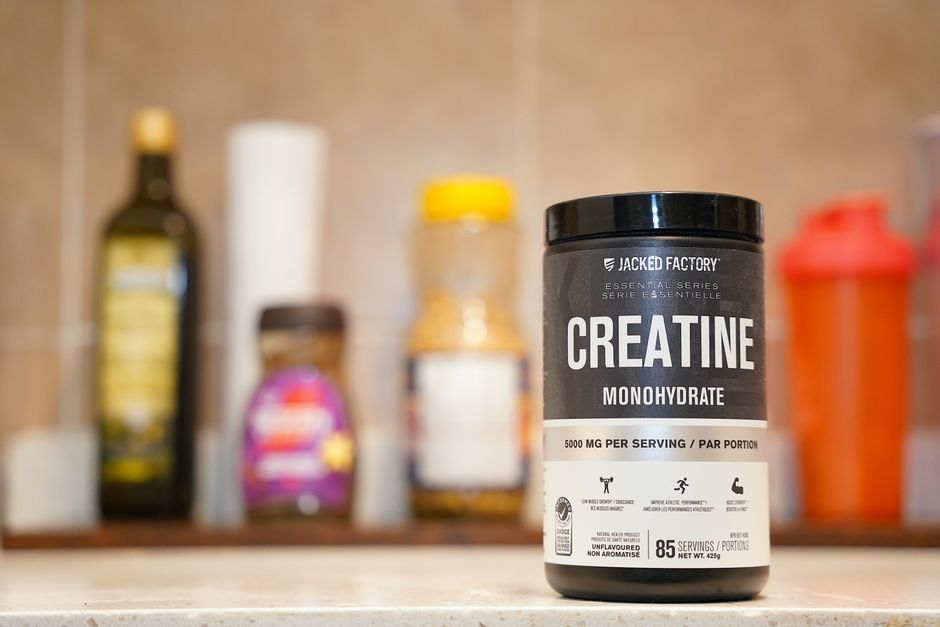
Creatine does not contain caffeine. It is a completely different substance with a different chemical structure and a different purpose in your body. Creatine is not a stimulant and it will not make you feel alert, jittery, or more awake the way caffeine does. Many people confuse the two because they are both popular in fitness and sometimes found together in pre-workout supplements. But they are not the same thing, and creatine has no caffeine in it at all.
What Is Creatine and How Does It Work?
Creatine is a compound your body makes naturally from amino acids. Your liver, kidneys, and pancreas produce about one gram per day. You also get creatine from food, mostly red meat and fish. Your muscles store it as phosphocreatine, which helps produce energy during short, intense activities like lifting weights or sprinting.
When you take creatine as a supplement, you increase the amount stored in your muscles. This allows your body to regenerate ATP, which is your main energy molecule, a little faster during bursts of effort. Research published in the Journal of the International Society of Sports Nutrition has shown that creatine supplementation can improve strength, power, and muscle mass when combined with resistance training. It is one of the most studied supplements in sports nutrition and has a strong safety record.
Creatine has no effect on your central nervous system. It does not cross the blood-brain barrier in significant amounts to act as a stimulant. It works entirely at the muscle level. That is why it does not cause alertness, anxiety, or sleep problems.
What Is Caffeine and How Does It Work?
Caffeine is a natural stimulant found in coffee, tea, chocolate, and some soft drinks. It works primarily by blocking adenosine receptors in your brain. Adenosine is a chemical that makes you feel tired. When caffeine blocks it, you feel more alert and less fatigued. This is the opposite of what creatine does.
Caffeine affects your heart rate, blood pressure, and mental focus. It can improve endurance performance and reduce perceived effort during exercise. But it does nothing to increase the phosphocreatine stores in your muscles. The two substances work through entirely different mechanisms and do not compete with each other in your body.
Many pre-workout supplements contain both creatine and caffeine. That is where the confusion starts. People see a powder labeled “pre-workout” and assume everything in it is the same kind of thing. But the creatine in that powder is still just creatine, and the caffeine is still just caffeine. They are mixed together for convenience, not because they are related.
Does Creatine Have Caffeine in Pre-Workout Supplements?
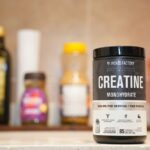
Creatine monohydrate sold by itself contains zero caffeine. If you buy a plain tub of creatine powder, the only ingredient listed should be creatine monohydrate. Some brands add flavoring or sweeteners, but none of them add caffeine. It would defeat the purpose of a pure creatine product.
Pre-workout formulas are a different story. Many of them combine creatine with caffeine and other stimulants like beta-alanine or taurine. If you are taking a pre-workout that lists creatine on the label, you are likely also getting caffeine. But the caffeine is coming from the pre-workout blend, not from the creatine itself.
Check the ingredient label carefully. If the product is labeled as “creatine” and nothing else, it is caffeine-free. If it is labeled as a “pre-workout” or “performance formula,” it probably contains caffeine unless the label explicitly says otherwise. Some companies now sell stimulant-free pre-workouts that include creatine but no caffeine. Those exist, but they are less common.
Here is a quick comparison of common supplement types:
| Product Type | Contains Creatine | Contains Caffeine |
|---|---|---|
| Plain creatine monohydrate | Yes | No |
| Creatine capsules | Yes | No |
| Most pre-workout powders | Often yes | Usually yes |
| Stimulant-free pre-workout | Sometimes | No |
| Caffeine pills | No | Yes |

Can You Take Creatine and Caffeine Together?
Yes, you can take them together. There is no known dangerous interaction between creatine and caffeine. Many athletes take both regularly without problems. The concern some people raise comes from older research suggesting caffeine might reduce the effectiveness of creatine. More recent and better-designed studies have not confirmed that.
A 2021 review in the Journal of the International Society of Sports Nutrition looked at the research on creatine and caffeine together. It found no consistent evidence that caffeine blocks creatine uptake or reduces its benefits. Some studies even showed improved performance when both were taken together, likely because each works through a different mechanism. The review concluded that any concern about negative interaction is not supported by current evidence.
The main thing to watch for is timing. Caffeine can interfere with sleep if taken too late in the day. Creatine does not affect sleep at all. If you take a pre-workout with both substances in the afternoon or evening, the caffeine might keep you awake, but the creatine will not. That is a caffeine issue, not a creatine issue.
Some people also report digestive discomfort when taking both on an empty stomach. This is individual and not universal. If you notice stomach upset, try taking them with food or separating the doses by an hour or two.
Common Misconceptions About Creatine and Caffeine
One of the most persistent myths is that creatine is a steroid. It is not. Creatine is a natural compound found in food and made by your body. Steroids are synthetic hormones that work completely differently. This myth has been circulating for decades and is not based on any evidence.
Another common claim is that creatine causes dehydration or muscle cramps. The American College of Sports Medicine and other organizations have reviewed this and found no solid evidence connecting creatine to cramping or dehydration in healthy people. Caffeine is a mild diuretic, but even that effect is small and does not cause dehydration in regular users. If anything, creatine pulls water into your muscle cells, which may help with hydration.
Some people also believe that caffeine cancels out the benefits of creatine. As mentioned above, current research does not support this. The idea came from one older study that had design flaws. Subsequent studies with better methods have not reproduced the finding. If you already take creatine and drink coffee or use caffeine before workouts, you are likely getting the full benefit of both.
There is also a misconception that you need to cycle creatine or take “loading phases” forever. The standard protocol for creatine is to take 3 to 5 grams per day. Some people do a loading phase of 20 grams per day for five to seven days to saturate muscles faster, but it is not necessary. You can skip the loading phase and just take the maintenance dose. It will take a few weeks longer to reach full saturation, but the end result is the same. Cycling is not required. Creatine is safe to take continuously for years.
What to Look for When Buying Creatine
If your goal is to get creatine without caffeine, buy plain creatine monohydrate powder. That is the most studied form and the most affordable. Avoid blends that list multiple ingredients unless you have checked every one. Look for a product that lists only “creatine monohydrate” on the ingredient label.
Third-party testing is a good sign. Organizations like NSF International or Informed Sport test supplements for banned substances and verify that the label matches the contents. Not all brands do this, but the ones that do provide an extra layer of assurance. It is especially important if you are an athlete subject to drug testing, but it is helpful for anyone who wants to avoid hidden ingredients.
Avoid products that make extravagant claims. Creatine is well-studied and its effects are modest but real. If a product promises dramatic fat loss or instant muscle gain with no exercise, it is likely overpriced or contains unlisted stimulants. Stick with reputable brands that have been around for years and have transparent labeling.
If you want both creatine and caffeine, you can buy them separately and combine them yourself. That gives you control over the dose of each and lets you adjust based on your personal tolerance. A common approach is to take 5 grams of creatine daily and add caffeine only before workouts when you want the stimulant effect.
Frequently Asked Questions
Does creatine have caffeine in it naturally?
No. Creatine is a nitrogenous organic acid that your body produces and gets from food. It contains no caffeine naturally and has no stimulant properties.
Can I take creatine if I am sensitive to caffeine?
Yes. Pure creatine monohydrate is caffeine-free and will not cause any stimulant effects. Just check the label to make sure you are buying a plain creatine product and not a pre-workout blend.
Will creatine keep me awake at night?
No. Creatine does not affect your central nervous system and will not interfere with sleep. If you have trouble sleeping after taking a supplement, check if it contains caffeine or other stimulants.
How much caffeine is in a typical pre-workout with creatine?
It varies widely by brand, but most pre-workout powders contain between 150 and 300 milligrams of caffeine per serving. That is roughly the amount in one to three cups of coffee.
