
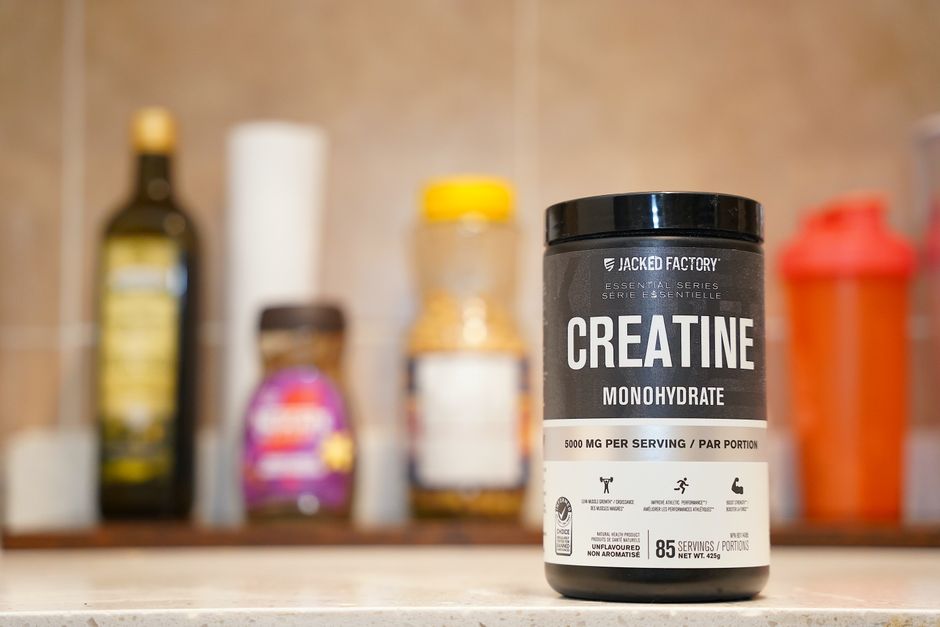
Creatine is one of the most studied supplements in sports nutrition. Creatinine is a waste product that doctors measure to check kidney function. They sound almost identical and that causes real confusion. Does taking creatine increase creatinine levels on a blood test? The short answer is yes — but not for the reason you might worry about. The increase is usually harmless and does not mean your kidneys are damaged.
Does Taking Creatine Increase Creatinine on Blood Tests?
Yes. Creatine supplementation raises serum creatinine levels in most people. This is well documented in research. A 2019 study in the Journal of the International Society of Sports Nutrition found that creatine users had higher creatinine levels than non-users. The increase was typically small and stayed within normal ranges.
The reason is straightforward. Creatine in your muscles breaks down into creatinine at a steady rate. When you take extra creatine, more creatinine is produced. Your kidneys filter it out and it shows up on a blood test. This is a chemical fact, not a sign of injury.
The confusion happens because doctors use creatinine as a marker for kidney function. High creatinine can mean kidneys are struggling. But in someone taking creatine, the higher number is expected. It is not a red flag on its own.
How Is Creatine Different From Creatinine?
Creatine is a compound your body makes and also gets from food like red meat and fish. It helps your muscles produce energy during short bursts of activity like lifting weights or sprinting. That is why athletes take it as a supplement.
Creatinine is a waste product. When creatine is used for energy, it loses a phosphate group and becomes creatinine. Your kidneys filter creatinine out of your blood and it leaves your body in urine.
One is fuel. The other is exhaust. They are chemically related but biologically very different. A blood test measures creatinine to estimate how well your kidneys are clearing waste. When you supplement creatine, you are adding more fuel — and more exhaust follows naturally.
Why Do Doctors Worry About High Creatinine?
Doctors use creatinine as a quick screening tool. High levels can mean kidneys are not filtering properly. This happens in chronic kidney disease, dehydration, or acute kidney injury.
But creatinine is not a perfect test. It varies by muscle mass, age, sex, diet, and exercise. A muscular person who just worked out and ate a steak will have higher creatinine than a sedentary person who fasted. That does not mean one has healthy kidneys and the other does not.
The National Kidney Foundation states that a single high creatinine reading does not diagnose kidney disease. Doctors look at trends over time and use other tests like blood urea nitrogen (BUN) and estimated glomerular filtration rate (eGFR). In people taking creatine, eGFR may appear low because the formula uses creatinine. This can cause false alarms.
A 2021 review in Nutrients highlighted that creatine supplementation does not impair kidney function in healthy individuals. The higher creatinine is a measurement artifact, not a sign of damage.





What Does Research Say About Creatine and Kidney Health?
Multiple long-term studies have looked at creatine and kidney function in healthy adults. The findings are consistent. Creatine does not harm kidneys when taken at standard doses — typically 3 to 5 grams per day.
A 2020 study in the Journal of the International Society of Sports Nutrition followed healthy adults taking creatine for up to five years. No changes in kidney function were found. Another study in Clinical Journal of Sport Medicine looked at athletes taking creatine for 28 days. Creatinine levels rose but kidney filtration rates stayed normal.
Some people report kidney discomfort or changes in urine color. These are not signs of kidney damage. Darker urine can happen because creatine pulls water into muscles, making urine more concentrated. Drinking enough water prevents this.
The only group where caution is needed is people with pre-existing kidney disease. If your kidneys are already damaged, supplementing creatine may increase workload. The National Kidney Foundation advises people with kidney disease to avoid creatine unless a doctor approves.
Who Should Avoid Creatine or Check With a Doctor First?
Most healthy adults can take creatine safely. But some people should talk to a doctor before starting.
- People with diagnosed kidney disease — even mild impairment changes how the body handles waste.
- Anyone taking medications that affect the kidneys — NSAIDs like ibuprofen, certain antibiotics, and blood pressure drugs can interact.
- People with diabetes — especially if kidney function is already reduced. Diabetes is a leading cause of kidney disease.
- Older adults with multiple chronic conditions — kidney function naturally declines with age and medications are more common.
If you fall into any of these groups, a simple blood test before starting creatine gives you a baseline. Then your doctor can tell you if supplementing is safe. Most people in these groups can take creatine, but it is a conversation worth having.
For everyone else, the evidence is clear. Creatine is one of the safest supplements studied. Over 20 years of research support its use at recommended doses.
| Group | Can Take Creatine? | Precaution |
|---|---|---|
| Healthy adults | Yes | Stay hydrated |
| People with kidney disease | Only with doctor approval | Monitor kidney function |
| People on kidney-affecting meds | Check with doctor | Review medication interactions |
| Older adults with chronic conditions | Usually yes | Baseline blood test recommended |
What to Avoid When Taking Creatine
Some common mistakes can make creatinine levels look worse than they are. Avoiding them keeps your blood test results clean and your kidneys happy.
Do not skip water. Creatine pulls water into your muscles. If you do not drink enough, your blood volume drops and creatinine becomes more concentrated. This can push levels higher than expected. Aim for an extra 8 to 16 ounces of water per day beyond your normal intake.
Do not take extremely high doses. Some people follow “loading protocols” with 20 grams per day for a week. This raises creatinine more than standard dosing. Loading is not necessary. You can take 3 to 5 grams daily and reach the same muscle saturation in about three weeks.
Do not take creatine right before a blood test. If you have a routine physical scheduled, skip your dose that morning. Creatine peaks in blood about one to two hours after taking it. A morning dose can spike creatinine on the test. Missing one dose will not affect your results long-term.
Do not combine with high-protein diets without enough water. High protein intake also raises creatinine slightly. Combining creatine with a high-protein diet without extra water can amplify the effect. This is not dangerous but can confuse test results.
Frequently Asked Questions
How long does creatine stay in your system?
Creatine levels drop after you stop taking it. It takes about four to six weeks for your body to return to baseline levels.
Can creatine cause false high creatinine on a blood test?
Yes. Creatine supplementation raises creatinine levels in the blood, which can make it appear as if kidney function is worse than it really is.
Is it safe to take creatine every day?
Yes. Standard doses of 3 to 5 grams per day are safe for healthy adults based on decades of research.
Should I stop creatine before a blood test?
It is a good idea to skip your dose on the morning of a blood test to avoid a temporary spike in creatinine levels.
