
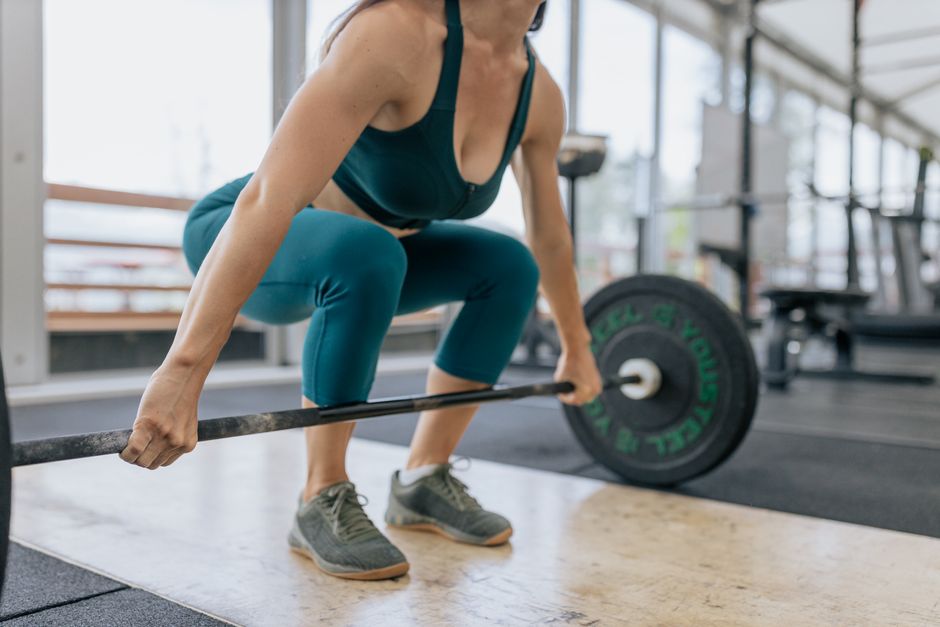
Creatine is one of the most studied supplements in the world. It is also one of the most misunderstood. Here is what actually happens when you take it: creatine helps your muscles produce more energy during short, intense activities like lifting weights or sprinting. It does this by increasing the amount of a compound called phosphocreatine in your muscle cells. This allows your body to recycle ATP, your main energy currency, faster. The result is improved strength, power, and muscle recovery. That is the core of it. Everything else is either a bonus or a myth.
How Does Creatine Work Inside Your Body?
Your body naturally makes creatine from amino acids in your liver and kidneys. You also get it from eating meat and fish. When you supplement with creatine, you simply raise the levels stored in your muscles. About 95% of your body’s creatine sits in your skeletal muscle tissue.
Once inside your muscle cells, creatine combines with a phosphate molecule to form phosphocreatine. This stored compound acts like a backup battery. During explosive movements like a heavy squat or a short sprint, your muscles burn through ATP very quickly. Phosphocreatine donates its phosphate to help rebuild ATP on the spot. This keeps your muscles firing hard for a few more seconds. Without enough creatine, that energy system runs out faster. That is why creatine helps with repeated bursts of effort, not long-distance running.
This mechanism is well understood. Research shows that creatine supplementation can increase muscle phosphocreatine stores by 10% to 40%, depending on your starting levels. People who eat little meat tend to see the biggest jump.
Does Creatine Actually Build Muscle?
Yes, but not directly. Creatine does not build muscle by itself. What it does is allow you to train harder and recover faster between sets. Over weeks and months, this leads to more muscle growth compared to training without it. Studies have consistently found that people who take creatine while resistance training gain more lean mass and strength than those who train with a placebo.
There is also a water retention effect. Creatine pulls water into your muscle cells. This makes muscles look fuller and slightly larger. Some people mistake this for actual muscle gain, especially in the first week. The water weight is real, but it is not the same as new muscle tissue. The long-term gains come from being able to lift more weight more often.
Current research suggests that creatine is most effective for people doing resistance training three or more times per week. If you do not train, taking creatine will not make you muscular. It simply supports the work you are already doing.
What Are the Real Side Effects of Creatine?
Most people tolerate creatine very well. The most common side effect is water retention inside the muscles, which can cause a small increase in body weight. Some people experience mild digestive upset, especially if they take a large dose all at once. This usually resolves by splitting the dose or taking it with food.
There is a persistent myth that creatine damages kidneys. This is not supported by evidence. Multiple studies in healthy individuals have found no negative effect on kidney function. However, if you already have a kidney condition, you should talk to your doctor before taking any supplement, including creatine. The concern comes from the fact that creatine raises a blood marker called creatinine, which doctors use to measure kidney health. Creatine supplementation artificially raises this marker, which can confuse test results. That does not mean your kidneys are damaged.
Other claimed side effects like cramping, dehydration, and hair loss have been studied. The evidence for cramping and dehydration is weak at best. Some studies even suggest creatine may help with hydration during exercise. The hair loss concern comes from a single small study in rugby players that found a slight increase in a hormone linked to hair loss. Larger reviews have not confirmed this. As of 2026, the consensus is that creatine is safe for healthy adults at recommended doses.
Does Creatine Help Your Brain or Just Your Muscles?
Your brain also uses energy, and it naturally contains creatine. The idea that creatine might help with mental performance is biologically plausible. Some studies suggest it can reduce mental fatigue during sleep deprivation or intense cognitive tasks. The effects are small and not consistent across all people.
One area with more promise is in older adults. Some research indicates that creatine supplementation, combined with resistance training, may improve cognitive function in aging populations. The mechanism likely involves improved energy metabolism in brain cells. But the evidence is not as strong as it is for muscle performance. Most of the brain benefits have been seen in people who are already low in creatine, such as vegetarians or older adults.
For a healthy young or middle-aged person eating a normal diet, the cognitive effects are probably minimal. The strongest case for creatine remains its effect on physical performance. Brain benefits are a nice bonus but not a guaranteed result.
What Is the Right Way to Take Creatine?
Creatine monohydrate is the form used in nearly all studies. It is also the cheapest and most studied. Other forms like creatine hydrochloride or buffered creatine are marketed as better, but research does not support these claims. Stick with creatine monohydrate powder. It works.
Here is a simple comparison of common dosing strategies:
| Approach | Dose | Duration | Effectiveness |
|---|---|---|---|
| Loading phase | 20 grams per day (split into 4 doses) | 5 to 7 days | Fastest way to saturate muscles |
| Maintenance dose | 3 to 5 grams per day | Ongoing | Maintains full muscle stores |
| No loading | 3 to 5 grams per day | 3 to 4 weeks | Same result, just slower |
Most people do not need to load. Taking 3 to 5 grams daily will saturate your muscles in about three to four weeks with fewer digestive issues. Timing does not matter much, but taking it with a meal that contains carbohydrates may improve absorption slightly. Consistency is more important than timing. Taking it every day is what matters.
Avoid taking creatine with caffeine if you are sensitive. Some older research suggested caffeine might blunt creatine absorption, but newer studies have not found a significant interaction. If you feel fine combining them, it is probably not a problem.
What Creatine Does Not Do
Creatine does not make you bulky overnight. It does not replace hard training or proper nutrition. It does not work for everyone equally. Some people are non-responders, meaning their muscles are already saturated from their diet and natural production. For these people, supplementation provides little benefit.
Creatine does not improve endurance performance. It helps with short bursts of power, not sustained aerobic activity. It also does not directly burn fat. Any fat loss seen with creatine use is likely due to increased training volume and muscle mass, which raises metabolism over time.
There is no evidence that creatine is a steroid or a hormone. It is a naturally occurring compound made from amino acids. It is not banned by most sports organizations, though some collegiate and professional leagues have restrictions on supplementation. Always check your sport’s rules if you compete.
Common Misconceptions About Creatine
The biggest myth is that creatine is dangerous for teenagers. Research shows it is safe for adolescents when used at recommended doses, though most experts advise against supplementation for anyone under 18 unless under medical guidance. The concern is more about lack of long-term data in developing bodies than proven harm.
Another misconception is that you need to cycle creatine on and off. There is no evidence that cycling provides any benefit. Your muscles will return to baseline levels about four weeks after you stop taking it. Taking breaks does not improve effectiveness or safety. You can take it continuously for years without issue.
Some people believe creatine causes muscle cramps and dehydration. Multiple controlled studies have found no increase in cramping or dehydration during exercise. In fact, some evidence suggests creatine may help maintain hydration by pulling water into cells. The myth likely started because creatine is often used by athletes training in hot conditions, where cramping is common for other reasons.
Frequently Asked Questions
How long does it take for creatine to work?
With a loading phase, you may notice effects within a week. Without loading, it takes about three to four weeks for full saturation.
Can you take creatine without working out?
Yes, but you will not see muscle growth. Creatine only provides benefits when combined with resistance training or high-intensity exercise.
Does creatine cause weight gain?
It can cause a small increase in water weight inside muscles, usually 2 to 4 pounds. This is not fat gain and is temporary.
Is creatine safe for women?
Yes. Research shows creatine is safe and effective for women, and some studies suggest it may help with bone health and muscle preservation as women age.
