
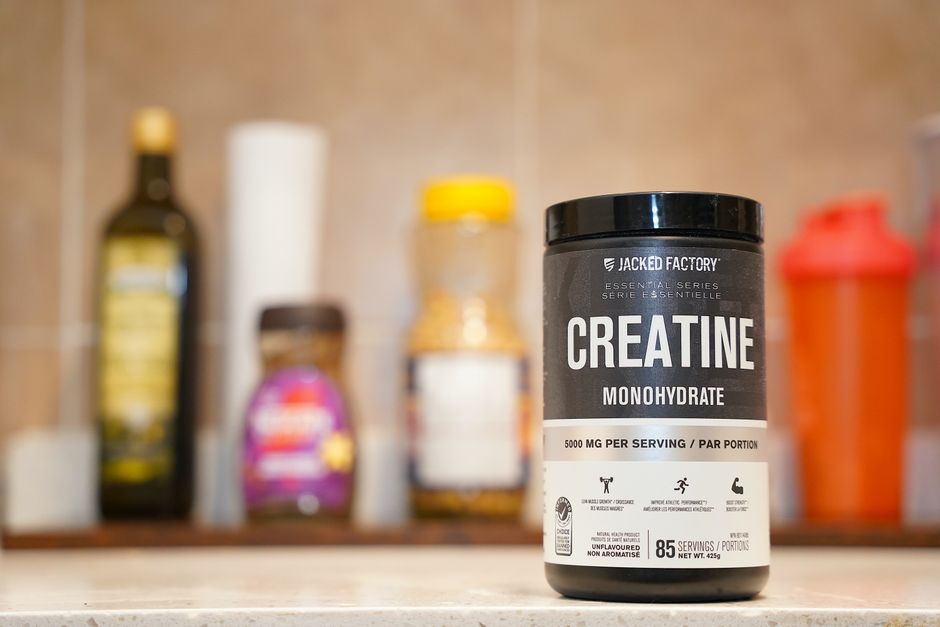
Creatine is one of the most researched supplements in the world, and the science is clear: it helps your muscles produce more energy during high-intensity exercise, supports brain function, and may even slow certain aspects of aging. Unlike many supplements that promise big results with little proof, creatine has decades of solid research behind it. The key is understanding what it actually does and who benefits most.
What Is Creatine and How Does It Work in Your Body?
Creatine is a natural compound your body makes from three amino acids: arginine, glycine, and methionine. Your liver, kidneys, and pancreas produce about one gram per day. You also get creatine from food, mainly red meat and fish.
About 95 percent of your body’s creatine is stored in your skeletal muscles. The rest is in your brain, heart, and other tissues. It is stored as phosphocreatine, which acts like a backup battery for your cells.
When you do something intense, like sprinting or lifting heavy weights, your muscles burn through ATP (your main energy source) quickly. Phosphocreatine steps in to help regenerate ATP fast. This gives you a few extra seconds of peak performance. Without enough creatine, your energy runs out sooner.
Research published in the Journal of the International Society of Sports Nutrition confirms that supplementing with creatine increases your muscle stores by 20 to 40 percent. That extra energy capacity is what drives most of its benefits.
Why Is Creatine Good For You? The Science Behind It
The core reason creatine works is simple: it helps your cells produce energy more efficiently. But that one mechanism has wide effects across your body.
For muscle performance, the evidence is overwhelming. A large analysis in the Journal of Strength and Conditioning Research found that creatine supplementation improves strength by about 8 percent and power output by about 14 percent on average. This is not a tiny effect. It is one of the few supplements that consistently shows real results in controlled studies.
Beyond muscles, creatine also supports brain health. Your brain uses a lot of energy, and it relies on phosphocreatine just like your muscles do. Some studies suggest creatine can improve short-term memory and mental fatigue, especially in people who do not eat much meat or fish. The effect is modest but real.
There is also emerging research on creatine and aging. As you get older, your natural creatine levels drop. Lower levels are linked to muscle loss and cognitive decline. Supplementing may help slow these changes, though the long-term data is still building.
Does Creatine Really Help Build Muscle and Strength?
Yes, but only if you are doing the right kind of exercise. Creatine helps with short bursts of high-intensity activity. It will not help you run a marathon or improve your yoga flexibility.
Where it shines is resistance training and sprinting. A meta-analysis in the Journal of Sports Medicine looked at 22 studies and found that people taking creatine gained about 2.2 pounds more lean muscle mass over 4 to 12 weeks compared to those taking a placebo. That is a meaningful difference.
Creatine also helps you recover between sets. When your muscle stores are topped up, you can do more reps before fatigue sets in. Over time, that extra volume drives more growth.
One thing to understand: creatine does not build muscle by itself. It supports your ability to train harder. The muscle growth comes from the training, not the supplement. If you sit on the couch and take creatine, nothing happens.

What Are the Real Side Effects and Risks of Creatine?
The most common side effect is water retention. Creatine pulls water into your muscle cells, which can cause a small amount of weight gain. This is not fat gain. It is water inside your muscles, and it is actually part of why creatine helps performance.
Some people report stomach discomfort, bloating, or diarrhea. This usually happens with high doses taken all at once. Splitting your dose throughout the day or taking it with food can help.
The myth that creatine damages kidneys has been around for decades. It is not supported by evidence. Multiple studies, including a long-term review in the Journal of the International Society of Sports Nutrition, have found no kidney damage in healthy people taking standard doses. If you already have kidney disease, you should talk to your doctor before taking any supplement, including creatine.
Other myths like hair loss, dehydration, and muscle cramps have been tested and not confirmed. The International Society of Sports Nutrition states that creatine is safe for healthy adults at recommended doses of 3 to 5 grams per day.
How Should You Take Creatine for Best Results?
The standard dose is 3 to 5 grams per day. That is enough to saturate your muscles over time. You do not need to cycle on and off creatine. It is safe to take continuously.
Some people do a “loading phase” of 20 grams per day for 5 to 7 days to saturate muscles faster. This works but is not necessary. The stomach discomfort risk is higher with loading. If you are in a hurry, loading can get you results a week sooner. If not, just take the daily dose.
Timing matters less than consistency. Taking creatine close to your workout may have a small advantage, but the difference is minor. What matters more is taking it every day. Missing days means your muscle stores stay lower.
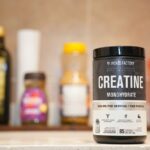
Creatine monohydrate is the form with the most research. It is also the cheapest. Other forms like creatine hydrochloride or ethyl ester claim better absorption, but studies show no meaningful advantage. Stick with monohydrate powder. It dissolves well in water or any drink.
| Creatine Form | Research Support | Cost | Best For |
|---|---|---|---|
| Creatine Monohydrate | Strongest – hundreds of studies | Low | Most people |
| Creatine Hydrochloride | Limited – few studies | Higher | Those with stomach sensitivity |
| Creatine Ethyl Ester | Weak – studies show poor absorption | Higher | Not recommended |
| Buffered Creatine | Limited – no proven advantage | Higher | Not recommended |
Who Benefits Most From Creatine Supplementation?
Vegetarians and vegans often see the biggest effects. Their baseline creatine levels are lower because they do not get creatine from food. Supplementing brings them up to normal levels, and the performance and cognitive benefits tend to be more noticeable.
Older adults are another group that may benefit significantly. Muscle mass naturally declines after age 30, and creatine levels drop too. Research in the journal Nutrients found that older adults who took creatine while doing resistance training gained more muscle and strength than those who trained without it.
Athletes in sports that require explosive power, like sprinting, weightlifting, and football, get clear performance benefits. Endurance athletes may not see the same effects, though some research suggests it can help with high-intensity intervals within endurance training.
People recovering from injury or surgery may also benefit. Creatine can help maintain muscle mass during periods of immobilization and may speed up recovery when you start moving again.
Common Misconceptions About Creatine
The biggest myth is that creatine is a steroid. It is not. Steroids are hormones that change how your body builds protein. Creatine is a naturally occurring compound that helps your cells produce energy. They work through completely different mechanisms.
Another common belief is that creatine causes dehydration and muscle cramps. The American College of Sports Medicine once listed creatine as a possible risk factor for cramps, but they removed that warning after reviewing the evidence. Multiple studies have found no link between creatine and dehydration or cramping.
Some people think you need to cycle creatine or take breaks. There is no evidence that your body stops responding to creatine over time. Your muscle stores will stay saturated as long as you take it consistently. Stopping for a month just means your levels drop back to baseline.
The idea that creatine only works for young men is also wrong. Research in women and older adults shows similar benefits, though the effect sizes can vary. Women may see smaller muscle gains due to hormonal differences, but the performance benefits are still real.
Frequently Asked Questions
Does creatine make you gain fat?
No. Creatine causes water retention in muscles, which adds a small amount of weight. It does not cause fat gain.
How long does it take for creatine to work?
With a daily dose of 3 to 5 grams, muscle saturation takes about 3 to 4 weeks. Performance benefits usually appear within the first week.
Can you take creatine without working out?
Yes, but you will not see muscle or strength gains. Some people take it for brain health or general energy support, though the evidence for these uses is less strong.
Is creatine safe for women?
Yes. Research shows creatine is safe for women at standard doses. Some studies suggest it may help with muscle maintenance and bone health in postmenopausal women.
