

Creatine is one of the most studied supplements in sports nutrition. Most people notice increased strength and performance within the first one to two weeks of consistent use. Visible changes in muscle size typically take two to four weeks when combined with regular resistance training. The exact timeline depends on how you take it, your training routine, and your individual biology.
How Long Until You See Results From Creatine?
Muscle creatine levels rise measurably within the first few days if you use a loading protocol. Performance improvements often appear before any visual changes. Studies consistently show that strength gains — measured by how much weight you can lift or how many reps you can complete — become noticeable within one to two weeks. Muscle growth, which is slower, usually becomes apparent after about four weeks of consistent training and supplementation.
Some people report feeling “fuller” or slightly heavier within the first week. That is not muscle yet. It is water drawn into the muscle cells, a normal part of creatine’s mechanism. Actual muscle tissue takes longer to build. The key point: performance results come first, cosmetic results follow.
What Affects How Quickly Creatine Works?
Several factors influence how fast you respond. Your starting creatine levels matter. People who eat little meat or fish tend to have lower baseline muscle creatine and may notice results sooner. Muscle fiber type also plays a role — type II (fast-twitch) fibers store more creatine and respond better to creatine supplementation.
Training status matters. Beginners often see faster initial gains from any supplement or training program compared to advanced athletes. Genetics also influence how much creatine your muscles can store. Some people are “non-responders” — their muscles are already near saturation and additional creatine produces little benefit.
The dosing strategy you use affects timing. A loading phase saturates muscles in about five to seven days. A maintenance-only approach (3–5 grams per day) takes three to four weeks to reach similar saturation. So if you want results faster, loading works — but you do not need it for long-term benefit.
What Type of Results Can You Expect?
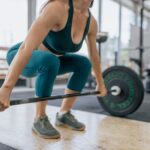
Creatine’s most consistent effect is improved performance during short, high-intensity exercise. That means more reps in the gym, slightly more power during sprints, and better recovery between sets. Strength gains of 5–15% are commonly reported in research when creatine is combined with resistance training.
Muscle mass increases indirectly. The extra work you can do stimulates more muscle protein synthesis over time. The water retention inside muscles also contributes to a fuller appearance. However, creatine does not build muscle on its own. Without training, you will not see muscle growth — you may gain a small amount of water weight and that is it.
Cognitive effects are less studied but some evidence suggests creatine may support mental performance during tasks that require quick thinking or when you are sleep-deprived. The effect is not large, and the evidence is not strong enough to recommend creatine purely for brain health at this time.

Do You Need to Load Creatine?
Loading is optional. A typical loading protocol is 20 grams per day (split into 4–5 gram doses) for five to seven days. This saturates muscles quickly, so you see performance benefits earlier. After loading, you drop to a maintenance dose of 3–5 grams daily.
If you skip the loading phase and take 3–5 grams daily from the start, it takes about three to four weeks to reach full saturation. Both strategies end with the same muscle creatine levels — loading just gets you there faster. For most people, loading is safe but can cause mild digestive upset if you take all 20 grams at once. Spreading doses throughout the day reduces this risk.
Is Creatine Safe and Are There Side Effects?
Creatine is one of the most thoroughly studied supplements. Extensive research over decades has found no serious health risks for healthy individuals at recommended doses. The most common side effect is mild water retention inside muscle cells, which may cause a small weight gain (1–3 pounds) during the first week.
Bloating or stomach discomfort can occur, especially during loading. Taking creatine with food and spreading doses helps. There is no credible evidence that creatine causes kidney damage in people with healthy kidneys. It does not cause hair loss, despite persistent internet claims — studies have not found a link. For individuals with pre-existing kidney disease, creatine is not recommended without medical supervision.
How to Take Creatine for Best Results
Consistency matters more than timing. Taking 3–5 grams daily — every day, not just workout days — keeps your muscles saturated. You can take it any time of day. Some research suggests taking it after a workout may be slightly better, but the difference is small. The most important factor is that you take it regularly.
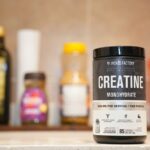
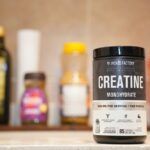
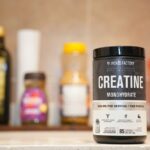
Creatine monohydrate is the form with the strongest evidence. Other forms exist but none have been proven more effective. You do not need to cycle creatine. Long-term use at recommended doses is safe for healthy adults. Mixing it with water or juice is fine. You do not need to take it with carbohydrates — that old advice was based on insulin’s role in transport, but studies show the effect on muscle creatine levels is minimal.
If you miss a day, just resume the next day. Missing one or two days does not cause a significant drop in muscle creatine levels. Taking more than the recommended dose does not provide extra benefits and may increase side effects.
Frequently Asked Questions
Does creatine cause bloating?
Some people experience a mild feeling of fullness or water retention inside muscles, which is not the same as bloating. Loading with high doses can cause digestive discomfort, but taking a maintenance dose of 3–5 grams daily rarely causes noticeable bloating.
Can I take creatine without working out?
Creatine will not build muscle or improve fitness without exercise. You may gain a small amount of water weight, but you will not see strength gains or muscle growth if you do not train.
Is creatine safe for women?
Yes. Creatine is safe for women at recommended doses. Research shows similar performance and muscle benefits compared to men. There is no evidence it affects hormones negatively or causes masculine-looking muscles.
Will creatine make me gain fat?
Creatine does not directly cause fat gain. The initial weight gain is water inside muscle cells, not fat. Any fat gain would come from eating more calories than you burn, not from the supplement itself.
