
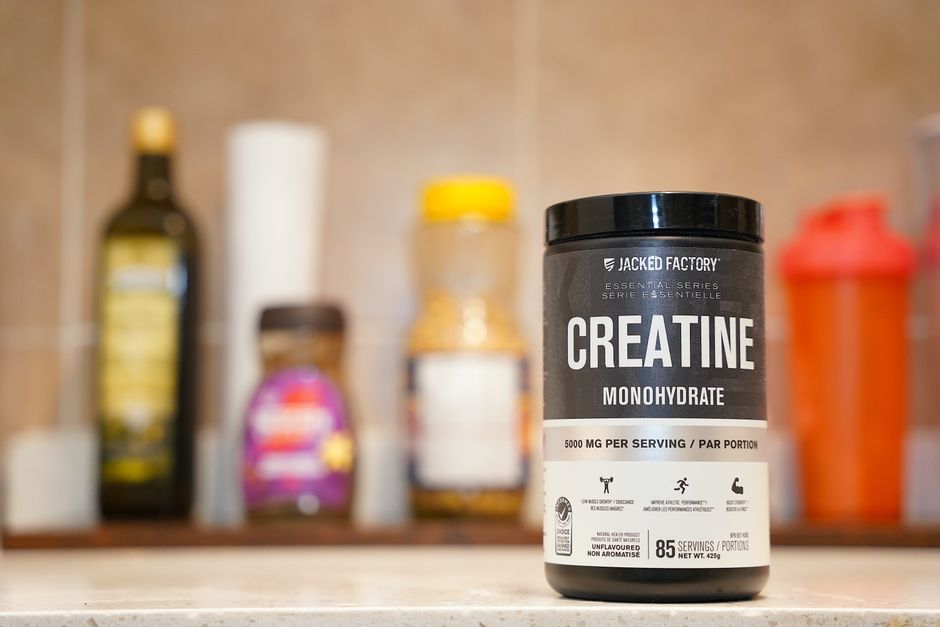
Yes, creatine dissolves in water, but not completely. Most creatine monohydrate powders will mix into water, but some particles will settle at the bottom over time. Warm water helps it dissolve better than cold water. The key thing to know is that you do not need it to fully dissolve for it to work in your body.
What Does “Soluble” Mean for Creatine?
Solubility is a chemistry term. It means how much of a substance can dissolve in a liquid. For creatine monohydrate, the number is about 14 grams per liter of water at room temperature. That is not very high. For comparison, table salt dissolves at about 360 grams per liter.
When you put creatine in water, some of it breaks apart into individual molecules. The rest stays as tiny solid particles. You will see this as a cloudy mix or a white layer at the bottom of your glass. This is normal. The creatine that does not dissolve is still fine to drink.
Many people think “dissolved” means “absorbed better.” That is not true for creatine. Your stomach acid and digestive system handle the undissolved particles just fine. The solubility matters more for how the drink feels and tastes.
Does Creatine Dissolve Better in Hot or Cold Water?
Warm water dissolves creatine better than cold water. Heat increases the solubility of most solids. If you mix creatine into a warm drink, you will see fewer clumps and less settling. Some people mix it into warm tea or coffee for this reason.
Cold water makes creatine clump more. The powder can form small balls or stick to the sides of the glass. This is why many people complain about the “gritty” texture of creatine drinks. The cold temperature simply does not allow as much of the powder to break apart.
There is a practical trade-off here. Warm water dissolves better, but many people do not want a warm creatine drink. Room temperature water is a good middle ground. It dissolves reasonably well and is not unpleasant to drink.
Is Creatine Soluble In Water Enough to Matter for Results?
This is the question most people actually want answered. The solubility of creatine in water does not affect how well it works. Research published in the Journal of the International Society of Sports Nutrition has shown that creatine absorption depends on your muscle cells, not on how well it dissolved in your glass.
Your stomach acid has a pH around 1.5 to 3.5. That is extremely acidic. Any creatine particles that did not dissolve in your water will dissolve in your stomach. The idea that you need a fully clear solution for the creatine to work is a myth. Your digestive system is much more powerful than your water glass.
Some companies sell “micronized” creatine. This is regular creatine ground into finer particles. It mixes more easily and stays suspended in water longer. But it does not change how much creatine your body absorbs. The only benefit is convenience and texture.


How to Mix Creatine So It Dissolves Better
If you dislike the gritty texture, there are practical ways to improve mixing. First, use room temperature or warm water. Second, stir vigorously for about 30 seconds. Third, drink it immediately before the particles settle. These three steps make a noticeable difference.
Another method is to mix creatine into a small amount of warm water first. Make a paste or slurry. Then add more cold water or juice. This pre-dissolving step breaks up clumps before they form. Many experienced users find this works better than dumping powder into a full glass.
Blending creatine into a smoothie is another option. The blender breaks particles down mechanically. The other ingredients like fruit and yogurt mask the texture. This is probably the most pleasant way to take creatine, though it requires more cleanup.
Does Creatine Dissolve in Juice or Other Drinks?
Creatine dissolves about the same in juice as in water. The sugar and acid in juice do not change its solubility much. Some people report that creatine mixes better in grape juice specifically. There is no strong evidence for this. It may just be that the taste of grape juice covers the bitter flavor of creatine.
Carbonated drinks are a worse option. The bubbles cause the creatine powder to foam up. You end up with a fizzy mess that spills over the top of the glass. If you want to mix creatine with soda, pour the soda slowly and stir gently. Expect some foam regardless.
Milk and protein shakes work fine. The thickness of these liquids helps suspend the creatine particles longer. You will still get some settling, but it takes longer than with water. This gives you more time to drink it before the grit settles at the bottom.
Common Misconceptions About Creatine and Water
One widespread myth is that creatine must dissolve completely or it will not work. This is false. As discussed, your stomach handles undissolved particles. The only real downside of poor mixing is taste and texture. Your muscles do not care if the creatine was fully dissolved in your glass.
Another myth is that cloudy creatine water means the product is low quality. Cloudiness is normal. It means some creatine particles are suspended in the water instead of settled at the bottom. Clear creatine water often means all the particles have already settled. Neither situation indicates quality.
Some people believe you need to chase creatine with more water to “activate” it. This is not supported by any research. Drinking extra water is good for general health and may help with creatine transport, but it is not required. The creatine will absorb regardless of how much water you drink with it.
Creatine Solubility Comparison Table
| Liquid | Temperature | Dissolves Well? | Notes |
|---|---|---|---|
| Water | Cold | Poor | Clumps form, settles quickly |
| Water | Room temp | Fair | Moderate settling, drink quickly |
| Water | Warm | Good | Few clumps, best mixing option |
| Juice | Cold | Fair | Similar to water, taste improved |
| Milk | Cold | Fair | Suspends particles longer |
| Smoothie | Cold | Good | Blender helps, texture masked |
| Soda | Cold | Poor | Foams heavily, messy |
What the Research Actually Says About Creatine Absorption
A 2021 review in the Journal of the International Society of Sports Nutrition looked at decades of creatine research. The review confirmed that creatine absorption depends on muscle creatine levels and transport proteins, not on how the powder was mixed. Your muscles pull creatine from your bloodstream regardless of whether it started as dissolved or undissolved particles.
The same review noted that taking creatine with carbohydrates can increase muscle uptake slightly. This is because insulin helps transport creatine into muscle cells. But this effect is small and does not depend on solubility. A carbohydrate-rich meal or drink works the same whether your creatine was fully dissolved or not.
The CDC and FDA do not regulate creatine as strictly as prescription drugs. This means product quality varies between brands. What matters more than solubility is choosing a reputable brand that third-party tests its products. Look for brands with certificates of analysis from independent labs. Solubility is not a quality marker.
Practical Tips for Taking Creatine
- Use room temperature or warm water for best mixing
- Stir for at least 30 seconds before drinking
- Drink immediately to avoid settling
- Consider micronized creatine for smoother texture
- Mix into a smoothie if texture bothers you
- Do not worry about visible particles – they still work
- Store creatine in a dry, cool place to prevent clumping
Frequently Asked Questions
Does creatine need to fully dissolve in water to work?
No. Undissolved particles dissolve in your stomach acid and absorb normally. Full dissolution is not required for effectiveness.
Why does my creatine clump in cold water?
Cold water has lower solubility for creatine, so more particles stay solid and form clumps. Warm water reduces this problem.
Can I mix creatine with hot coffee or tea?
Yes. Hot liquids dissolve creatine well. Let the drink cool slightly before drinking. Heat does not damage creatine.
Is cloudy creatine water safe to drink?
Yes. Cloudiness means particles are suspended in the water. It is safe and still effective. Cloudiness is not a sign of spoilage.
