

If you have ever wondered whether you would feel cuts or tears in the digestive tract, the short answer is: it depends on where and how severe the damage is. The digestive tract does not have the same nerve endings as your skin. In some areas, you would feel sharp pain or intense pressure. In others, you might feel nothing at all until serious complications set in. This is not a simple yes or no question. The reality is more complex and depends on the specific organ involved and the type of injury.
What Does the Digestive Tract Actually Feel?
The digestive tract runs from your mouth to your rectum. Each section has a different nerve supply. The esophagus and the rectum have more pain receptors than the stomach or intestines. This means a small cut in the esophagus might hurt a lot. A larger tear in the small intestine might go unnoticed for hours.
Research shows that the gut has a limited ability to sense sharp cutting pain. Surgeons have known this for decades. During certain abdominal surgeries, patients can be awake with only local anesthesia. They report feeling pressure and pulling but not sharp cuts. This is because the internal organs have mostly stretch receptors, not sharp pain receptors.
That does not mean you are immune to feeling damage. A tear that causes bleeding, inflammation, or blockage will eventually cause pain. The pain often comes from the surrounding tissues reacting to the injury, not from the cut itself.
Would You Feel Cuts or Tears in the Digestive Tract Immediately?
Not always. Some people with a perforated ulcer or a torn blood vessel in the gut report no pain at first. The injury happens, but the brain does not register it as a sharp event. Hours later, when infection sets in or blood leaks into the abdominal cavity, the pain becomes severe.
A study published in the journal Gut found that nearly 30 percent of patients with a perforated peptic ulcer did not seek medical help within the first six hours. They described the early sensation as a vague discomfort or fullness. Only when the pain became constant and sharp did they realize something was wrong.
This delayed response is dangerous. If you suspect internal injury, do not wait for sharp pain. Watch for other signs like nausea, vomiting, fever, or a rigid abdomen. These can appear before the pain peaks.
What Causes Tears in the Digestive Tract?
Tears in the digestive tract usually come from physical force or disease. Common causes include:
- Severe vomiting that tears the esophagus, known as Mallory-Weiss syndrome
- Swallowing sharp objects like fish bones or glass
- Blunt trauma from car accidents or falls
- Inflammatory conditions like Crohn’s disease that weaken the bowel wall
- Medical procedures like colonoscopy or endoscopy that cause accidental perforation
- Ulcers that erode through the stomach or intestinal wall
Each cause produces a different type of injury. A tear from vomiting usually happens at the junction of the stomach and esophagus. A tear from a swallowed object can happen anywhere along the tract. The location determines what you feel and how urgent the situation is.
Current research suggests that spontaneous tears are rare in healthy people. Most tears happen because of an underlying condition or a specific event. If you have no known digestive issues and no trauma, the chance of a spontaneous tear is very low.
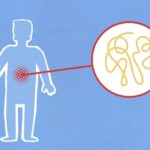

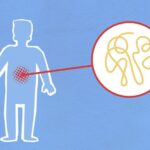


How Do Doctors Find Cuts or Tears in the Digestive Tract?
Doctors do not rely on your pain description alone. They use imaging and direct visualization. A CT scan with contrast is the most common first step. It can show air leaking from a perforated organ or fluid collecting in the abdomen.
Endoscopy is another tool. A thin camera tube is inserted through the mouth or rectum. This lets the doctor see the inside of the tract directly. Small cuts or tears that do not show on a CT scan can be seen this way.
Blood tests also help. A high white blood cell count can indicate infection from a leak. Elevated lactate levels can signal tissue damage from poor blood flow. These tests are not specific to cuts or tears, but they add to the picture.
As of 2026, newer imaging techniques like virtual colonoscopy and capsule endoscopy are being studied. These may detect smaller injuries earlier. But for now, CT and traditional endoscopy remain the standard.
What Happens If a Cut or Tear Goes Untreated?
An untreated tear in the digestive tract can lead to sepsis. This is a life-threatening infection that spreads through the bloodstream. Bacteria from the gut enter the abdominal cavity and then the blood. Symptoms include high fever, rapid heart rate, confusion, and low blood pressure.
Another risk is internal bleeding. A tear that cuts through a blood vessel can cause blood loss. This might show up as black or bloody stools. Or it might cause vomiting blood. Severe blood loss can lead to shock and organ failure.
Scar tissue can also form after a tear heals. This can narrow the digestive tract and cause blockages. A blockage might cause cramping pain, bloating, and vomiting. Surgery is often needed to remove the scarred section.
The key point is that small tears can become big problems. Even if you feel fine initially, a tear needs medical evaluation. Do not assume no pain means no damage.
Can You Feel a Tear in the Esophagus Compared to the Intestines?
The esophagus is more sensitive than the intestines. A tear in the esophagus often causes immediate and sharp chest pain. It can feel like a heart attack. Swallowing may make it worse. Patients often describe it as a ripping or tearing sensation behind the breastbone.
In contrast, a tear in the small intestine might cause only a dull ache at first. The pain is often diffuse and hard to locate. Patients may say they feel “something wrong” but cannot point to a specific spot. This is because the small intestine has fewer pain receptors and is located deep in the abdomen.
The colon is somewhere in between. A tear in the colon can cause sharp pain, especially if it happens near the rectum. But a tear in the upper colon might cause cramping and bloating rather than sharp pain. The table below summarizes the differences.
| Digestive Organ | Typical Sensation from Tear | Pain Onset |
|---|---|---|
| Esophagus | Sharp, ripping chest pain | Immediate to rapid |
| Stomach | Burning or gnawing pain, often mistaken for heartburn | Within hours |
| Small Intestine | Dull ache, vague discomfort | Delayed, often 6-12 hours |
| Colon | Cramping, sharp if near rectum | Variable, often hours |
| Rectum | Sharp, localized pain | Immediate |
This table is a general guide. Individual experiences vary. Some people with a colon tear report no pain at all until they develop a fever. Others with a small intestine tear feel immediate cramping. Trust your body, but also trust medical tests.
What to Do If You Suspect a Cut or Tear
If you have had a recent trauma, swallowed something sharp, or have severe vomiting followed by chest or abdominal pain, seek emergency care. Do not wait to see if the pain gets better. Internal injuries can worsen quickly.
Do not eat or drink anything. This can worsen a leak or cause vomiting. Do not take pain relievers like ibuprofen or aspirin. These can increase bleeding risk. Do not apply heat or pressure to the abdomen. Let the medical team evaluate you first.
Tell the doctor exactly what happened. If you swallowed a bone, say so. If you vomited forcefully, describe how many times. If you had a colonoscopy yesterday and now have pain, mention it. Details help the doctor decide which tests to run first.
Most tears found early can be treated without surgery. Small tears might heal with antibiotics and bowel rest. Larger tears usually require surgery to repair the hole. The outcome is generally good if treatment starts within 24 hours.
Frequently Asked Questions About Would You Feel Cuts or Tears in the Digestive Tract
Can a small tear in the intestine heal on its own?
Some very small tears can heal without surgery if they are caught early and there is no infection. Most tears require medical treatment such as antibiotics, drainage, or surgical repair.
What does a perforated bowel feel like at first?
The first sensation is often a sudden sharp pain that may fade into a dull ache. Many people also feel nauseous, bloated, or notice their abdomen becomes hard and tender.
Is it possible to have a tear and not know it?
Yes, especially in the small intestine where pain receptors are sparse. Some people only realize something is wrong when fever or vomiting develops hours later.
How long after an injury would you feel symptoms of a digestive tract tear?
Symptoms can appear within minutes for esophageal tears or take up to 24 hours for intestinal tears. Delayed symptoms are common and dangerous.
