
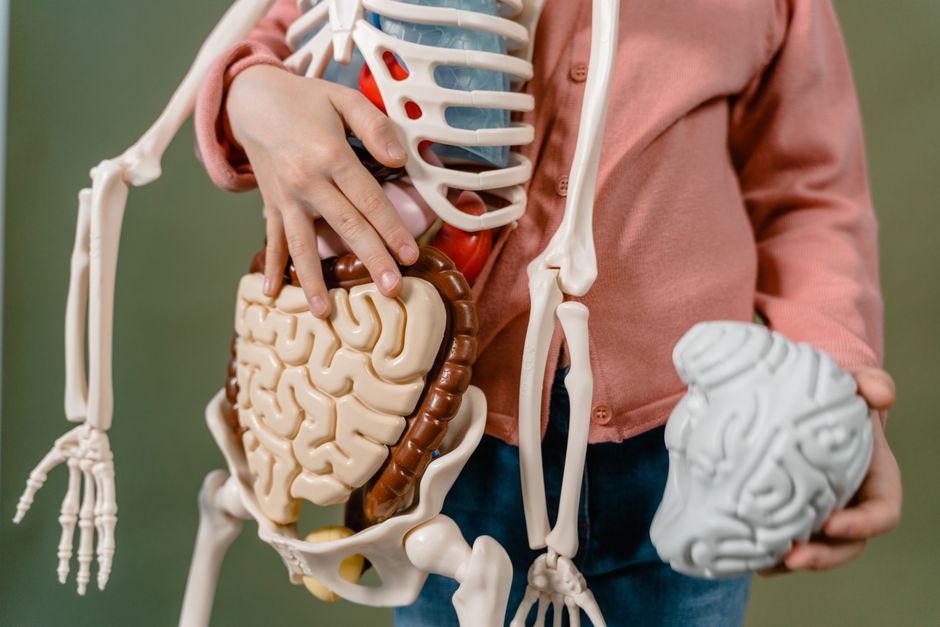
Digestive health is not about a single magic food or a complicated cleanse. It is about daily habits that support how your body breaks down food, absorbs nutrients, and eliminates waste. You can start strengthening your digestive system today by eating more fiber, drinking enough water, moving your body regularly, and managing stress. These four steps are the foundation of a healthier gut, and they work together to improve digestion over time.
What Does It Mean to Strengthen Your Digestive System?
Your digestive system runs from your mouth to your rectum. It includes your stomach, small intestine, large intestine, liver, pancreas, and gallbladder. When this system works well, food moves through at a steady pace, nutrients are absorbed, and waste leaves your body without struggle.
Strengthening your digestive system means supporting these processes. It does not mean forcing a cleanse or taking harsh laxatives. It means giving your body the conditions it needs to digest food efficiently and comfortably.
A well-functioning digestive system also depends on the community of bacteria living in your colon. This is your gut microbiome. These bacteria help break down certain fibers, produce vitamins, and protect against harmful organisms. A diverse microbiome is generally associated with better digestive health.
Why Fiber Is the First Step
Fiber is the single most important nutrient for digestive health. It adds bulk to stool, which helps food move through your intestines at a healthy pace. It also feeds the beneficial bacteria in your colon.
There are two types of fiber, and your body needs both. Soluble fiber dissolves in water and forms a gel. It slows digestion and helps you feel full. Oats, barley, beans, apples, and carrots are good sources. Insoluble fiber does not dissolve in water. It adds bulk to stool and helps prevent constipation. Whole wheat, nuts, and many vegetables provide this type.
Most adults need between 25 and 38 grams of fiber per day. Most people in the US get about half that amount. If you are not used to eating much fiber, increase it gradually over a few weeks. A sudden jump can cause gas, bloating, and cramping.
When you increase fiber, increase water at the same time. Fiber absorbs water in the colon. Without enough fluid, more fiber can actually make constipation worse.
How Much Water Does Digestion Need?
Water is essential for every step of digestion. It helps break down food in your stomach, softens stool, and keeps things moving through the colon. Dehydration is one of the most common causes of constipation.
A general target is about 8 cups of fluid per day, but needs vary by body size, activity level, and climate. A more reliable sign is urine color. Pale yellow usually means you are well hydrated. Dark yellow suggests you need more fluids.
You do not have to drink only water. Herbal tea, broth, and water-rich foods like cucumbers and melons also count. Caffeinated drinks count too, but they can have a mild dehydrating effect if consumed in large amounts.
Drinking most of your fluids between meals is often easier on digestion than drinking large amounts during a meal. A small glass of water with a meal is fine. Very large volumes of liquid with food may dilute stomach acid, though the practical effect of this is debated.
-
 Is the Pancreas Part of the Digestive System? The Real Answer
 -
What is the Main Role of the Digestive System? A Clear Explanation
-
How Does Circulatory and Digestive System Work Together?
-
What is the Function of Pancreas in Digestive System?
-
Finessa Reviews & Complaints 2026: Helps In Gut & Digestion?





Does Exercise Really Improve Digestion?
Physical activity stimulates the natural contractions of your intestinal muscles, a process called peristalsis. These contractions push food and waste through your digestive tract. Regular movement helps keep this process steady.
Walking after a meal is a simple and effective habit. A 10 to 15 minute walk can aid digestion and reduce bloating. More intense exercise also supports gut health, partly by increasing blood flow to your digestive organs.
Exercise also helps maintain a healthy body weight, which reduces pressure on the stomach and lowers the risk of acid reflux. Being overweight, especially around the abdomen, increases pressure on the lower esophageal sphincter. This can allow stomach acid to flow backward into the esophagus.
You do not need intense workouts to see digestive benefits. Consistent moderate activity, like brisk walking, cycling, or swimming, is enough. The key is regularity.
Why Stress Management Matters for Your Gut
Your brain and your digestive system are directly connected through the vagus nerve. This is why stress can cause stomach pain, nausea, diarrhea, or constipation. When you are stressed, your body diverts blood flow away from digestion and toward your muscles and heart.
Chronic stress keeps your digestive system in a state of low activity. Over time, this can contribute to issues like irritable bowel syndrome, though the exact relationship is complex and not fully understood.
Simple stress reduction techniques can help. Deep breathing exercises, meditation, and regular breaks from screens all lower stress hormones. Even a few minutes of slow, deep breathing before a meal can signal your body to enter a relaxed digestive state.
Eating slowly is another form of stress management for your gut. When you eat quickly, you swallow air and take in larger bites. Chewing food thoroughly breaks it down before it reaches your stomach, making the rest of digestion easier.
Can Probiotics and Fermented Foods Help?
Probiotics are live microorganisms that may benefit your health when consumed in adequate amounts. Fermented foods like yogurt, kefir, sauerkraut, kimchi, and kombucha contain these organisms naturally.
The evidence for probiotics is mixed. Some studies suggest they help with specific conditions like antibiotic-associated diarrhea or certain cases of irritable bowel syndrome. Other uses are supported by weaker evidence. The effect of a probiotic depends heavily on the specific strain, the dose, and the person taking it.
What is clearer is that eating a variety of fermented foods can increase the diversity of your gut microbiome. One notable study published in the journal Cell found that a diet rich in fermented foods increased microbial diversity over a 10-week period. This is a promising area of research, but it does not mean every probiotic product on the shelf is effective.
If you want to try fermented foods, start with plain yogurt or kefir. Choose products with live active cultures listed on the label. If you take a probiotic supplement, know that the evidence for specific benefits varies widely by strain. No single product works for everyone.
What Foods Should You Limit for Better Digestion?
Some foods are harder on the digestive system than others. This does not mean you must eliminate them entirely. It means being aware of how they affect you.
Ultra-processed foods are low in fiber and often high in fat, sugar, and additives. They move through the digestive tract quickly and do not feed beneficial bacteria. A diet heavy in these foods is associated with poorer gut health, though the exact mechanisms are still being studied.
Fried foods and very fatty meals slow stomach emptying. This can cause bloating, nausea, and discomfort. Your gallbladder releases bile to digest fat, and a very high-fat meal can overwhelm this process.
Artificial sweeteners are a more complicated topic. Some, like sugar alcohols, are known to cause gas and diarrhea in sensitive people. Others have mixed evidence regarding their effects on the gut microbiome. If a product causes digestive symptoms for you, it is reasonable to avoid it.
Spicy foods cause discomfort for some people but are harmless for others. There is no universal rule. Pay attention to your own patterns and adjust accordingly.
When Should You See a Doctor About Digestive Issues?
Occasional bloating, gas, or changes in bowel habits are normal. Persistent symptoms are not. If you experience any of the following, discuss them with a healthcare provider:
- Blood in your stool
- Unexplained weight loss
- Severe abdominal pain that does not resolve
- Difficulty swallowing
- Persistent vomiting
- Constipation or diarrhea lasting more than three weeks
These symptoms can indicate conditions that require medical evaluation. Do not assume a serious symptom is just a digestive quirk. Early detection matters for many digestive conditions.
Dietary changes can help many people, but they are not a substitute for medical care when something is wrong. If you have a diagnosed condition like celiac disease, Crohn’s disease, or ulcerative colitis, work with your doctor before making major dietary changes.
Frequently Asked Questions
How long does it take to improve your digestive system?
Most people notice changes in digestion within two to four weeks of consistent dietary and lifestyle changes. Significant improvements in gut microbiome diversity can take several months.
Is it better to take a probiotic supplement or eat fermented foods?
Fermented foods provide a wider range of beneficial compounds and are generally better supported by evidence. Probiotic supplements can help in specific situations, but the benefit depends heavily on the strain and dose.
Can drinking more water cure constipation?
Water helps prevent constipation, but it is most effective when combined with adequate fiber intake. Increasing water alone often does not resolve constipation if fiber intake remains low.
Does chewing food more really make a difference?
Chewing breaks food into smaller particles and mixes it with saliva, which contains digestive enzymes. More thorough chewing reduces the work your stomach must do and can reduce bloating and indigestion.
