
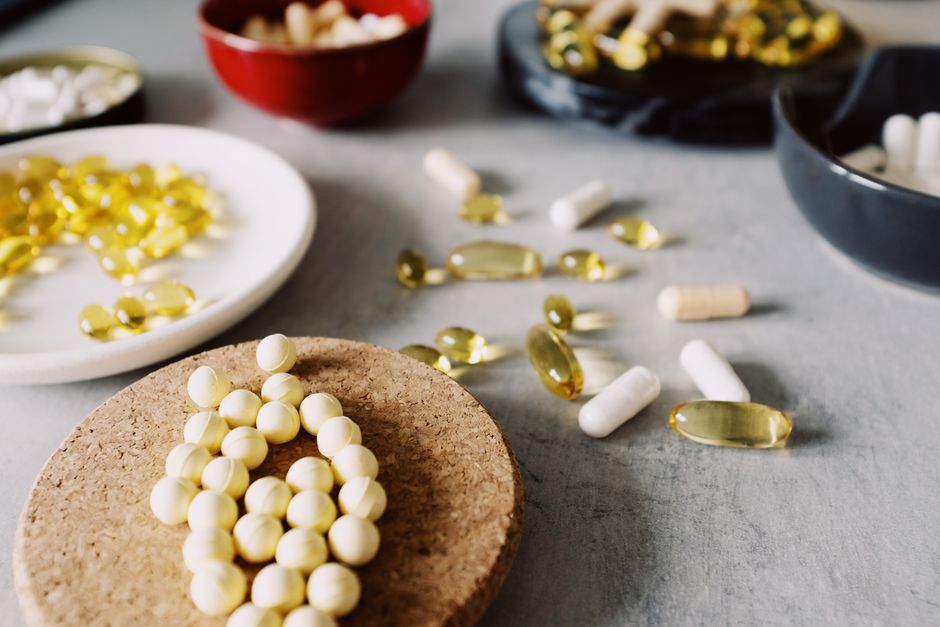
Digestive enzymes are a popular over-the-counter supplement, but the science on whether they actually help with GERD is mixed. Some research suggests they may offer modest relief for certain people, but they are not a proven treatment for acid reflux. The evidence does not support using digestive enzymes as a first-line therapy for GERD, and the real mechanism behind their potential benefit is different from what most marketing suggests.
What Is GERD and What Causes It?
Gastroesophageal reflux disease, or GERD, happens when stomach acid flows backward into the esophagus. The esophagus is the tube that carries food from your throat to your stomach. Unlike the stomach, the esophagus has no protective lining against acid. That is why reflux causes the burning sensation known as heartburn.
The main cause is a weak or relaxed lower esophageal sphincter. This is a ring of muscle at the bottom of the esophagus. It normally opens to let food pass and then closes tightly. When it does not close properly, acid moves upward.
Other factors contribute too. Hiatal hernia, obesity, pregnancy, and delayed stomach emptying can all increase reflux. Certain foods, large meals, and lying down after eating can trigger symptoms. The diagnosis of GERD is usually based on symptoms occurring at least twice a week, often with evidence of esophageal damage on endoscopy.
What Are Digestive Enzymes?
Digestive enzymes are proteins that break down food into smaller pieces your body can absorb. Your body makes them naturally. Saliva contains amylase for carbohydrates. The stomach produces pepsin for protein. The pancreas releases lipase for fats, along with other enzymes.
Supplement enzymes come from plants, animals, or fungi. Common ones include bromelain from pineapple, papain from papaya, and pancreatic enzymes from pigs. They are marketed for bloating, gas, and general digestive discomfort.
The key point is that GERD is not caused by a lack of digestive enzymes. Most people with GERD produce plenty of these enzymes. This is why the logic behind taking them for reflux is questionable from the start.
Do Digestive Enzymes Help With GERD? What the Science Says
The direct answer is that no large human trials have confirmed digestive enzymes as an effective treatment for GERD. Some small studies and clinical observations suggest they might help a subset of people, but the evidence is far from strong.
One theory is that incomplete digestion leads to gas and bloating. This increases pressure inside the stomach. That pressure can push acid upward through a weak sphincter. By improving digestion, enzymes might reduce this pressure and lessen reflux episodes. This is biologically plausible but not well proven.
Another angle involves a protein called pepsin. Pepsin is an enzyme your stomach uses to digest protein. Some researchers have found pepsin in the throat and airways of people with reflux, even when acid is not present. This is called laryngopharyngeal reflux or “silent reflux.” Some practitioners recommend a specific enzyme supplement that binds to pepsin and deactivates it. This is a different mechanism than improving digestion, and the evidence is still emerging.
Research published in some gastroenterology journals has examined enzyme formulas for functional bloating and dyspepsia, which can overlap with GERD symptoms. Results have been modest and inconsistent. No clinical guideline from major gastroenterology organizations currently recommends digestive enzymes for GERD treatment.





What the Evidence Actually Shows
Let us be direct about the state of the science. There is no robust clinical trial showing digestive enzymes reduce acid reflux events measured by pH monitoring. That is the gold standard for measuring reflux. Without that kind of evidence, we cannot say enzymes fix the underlying problem.
What some studies do show is symptom improvement. People report less bloating, less fullness, and sometimes less heartburn when taking enzyme supplements. These subjective improvements matter, but they are not the same as treating GERD itself.
The placebo effect in digestive complaints is significant. Many people feel better on any supplement, even an inactive one. This makes small, unblinded studies particularly unreliable in this area.
There is also a difference between occasional heartburn and diagnosed GERD. Someone with mild reflux after large meals might find that better digestion reduces their symptoms. Someone with severe GERD and esophageal damage will not be cured by an enzyme pill. These are different conditions with different treatment needs.
Potential Risks and Side Effects
Digestive enzymes are generally considered safe for short-term use in healthy adults. Side effects are usually mild and include nausea, diarrhea, or stomach cramps. Allergic reactions are possible, especially with enzymes derived from pineapple or papaya.
There are important cautions. People with pancreatitis or a history of intestinal blockage should not take pancreatic enzyme supplements without medical supervision. People with gout may need to avoid certain enzyme products. Pregnant or breastfeeding women should not take digestive enzymes because no safety data exists for these populations.
More concerning is the risk of delaying proper treatment. If you have GERD and take enzymes instead of proven therapies, your esophagus can sustain damage. Chronic acid exposure can lead to esophagitis, strictures, or Barrett’s esophagus, a precancerous condition. These are serious outcomes. Do not let a supplement delay a real diagnosis.
Proven Treatments for GERD That Work Better
If you have GERD, the treatments with solid evidence behind them are more effective than digestive enzymes. Lifestyle changes come first. Losing weight if you are overweight, eating smaller meals, and avoiding food within three hours of bedtime all reduce reflux episodes.
Elevating the head of your bed by six to eight inches helps gravity keep acid down. Avoiding trigger foods like caffeine, alcohol, chocolate, mint, and spicy or fatty foods can reduce symptoms for many people.
Medications are the mainstay of medical treatment. Antacids neutralize acid quickly but briefly. H2 blockers like famotidine reduce acid production for several hours. Proton pump inhibitors, or PPIs, are the most effective class. They block acid production more completely and allow the esophagus to heal.
For people who do not respond to medications, surgical options exist. Fundoplication wraps the top of the stomach around the esophagus to strengthen the sphincter. Newer procedures like LINX place a magnetic ring around the sphincter. These are reserved for moderate to severe cases that do not respond to other treatments.
When Digestive Enzymes Might Be Worth Trying
There is a narrow scenario where digestive enzymes make some sense. If your main symptoms are bloating, belching, and fullness after meals, and these seem to trigger your reflux, an enzyme supplement might reduce those symptoms. This is a reasonable thing to discuss with your doctor.
Choose a product with a clear label stating which enzymes it contains and their activity levels. Look for enzymes matched to your primary complaint. If fatty meals bother you, a lipase-dominant formula makes more sense. If protein-heavy meals cause issues, protease may be more relevant.
Be realistic about what to expect. Enzymes might make you more comfortable after a heavy meal. They will not stop acid from damaging your esophagus if you have true GERD. If you try them for two to four weeks and notice no difference, they are not for you.
One non-obvious point worth knowing: taking enzymes with food is essential. They work in the stomach and small intestine during digestion. Taking them on an empty stomach means they pass through without doing much. Follow the label instructions about timing.
Frequently Asked Questions
Can digestive enzymes make GERD worse?
In some people, yes. Enzyme supplements can increase stomach acid production or cause irritation, which may worsen heartburn. If symptoms get worse after starting enzymes, stop taking them.
What is the best digestive enzyme for acid reflux?
No single enzyme product is proven best for GERD. Some clinicians recommend formulas containing pepsin binders for silent reflux, but this is not a standard treatment. Match the enzyme type to your specific digestive complaint instead.
How long does it take for digestive enzymes to work for GERD?
Digestive enzymes act within 30 to 60 minutes after taking them with a meal. If you do not notice a difference in symptoms within two to four weeks, they are unlikely to help you.
Are digestive enzymes safe to take with GERD medication?
Digestive enzymes are generally safe to take alongside antacids, H2 blockers, or PPIs. However, no drug interaction studies have been done specifically for these combinations. Tell your doctor about every supplement you take.
