
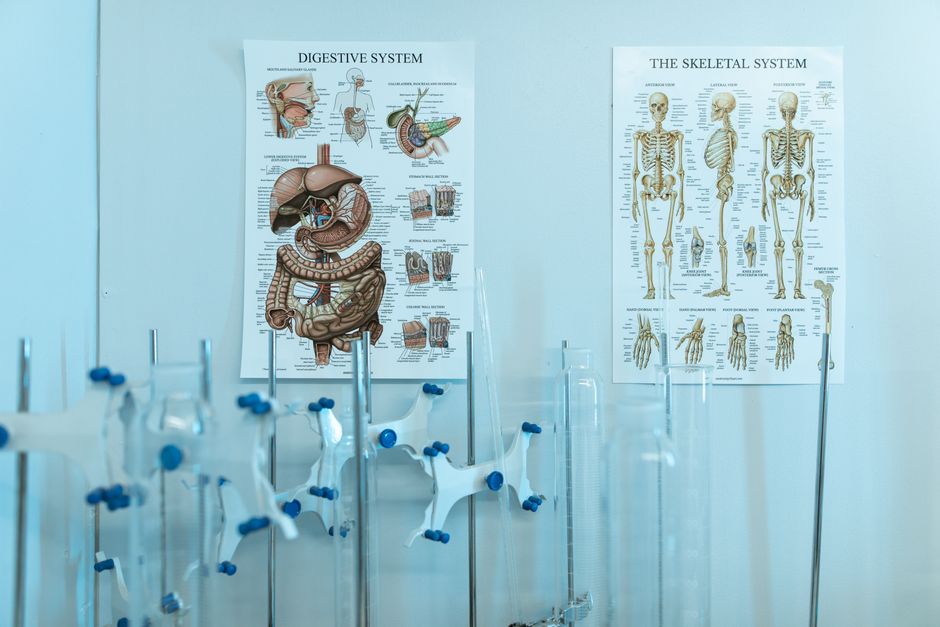
The digestive system is your body’s food processor, breaking down everything you eat into fuel your cells can actually use. Research shows it is a coordinated system of organs working in sequence to turn a sandwich into energy, building blocks for repair, and waste to be eliminated. It does not just digest food — it also protects you from harmful bacteria and communicates directly with your brain about when you are hungry or full.
How Does the Digestive System Actually Work?
The process starts before you take your first bite. Your brain sends signals to your salivary glands the moment you see or smell food. Saliva contains enzymes that begin breaking down starches right in your mouth. Chewing mechanically breaks food into smaller pieces so enzymes can work more efficiently.
Once you swallow, food moves down your esophagus into your stomach. The stomach churns food with acid and enzymes to create a semi-liquid mixture called chyme. This is where protein digestion really gets going. The stomach lining is protected by a thick mucus layer — without it, the acid would digest your stomach itself.
From the stomach, chyme enters the small intestine. This is where most digestion and absorption happen. The small intestine is about 20 feet long in adults and lined with tiny finger-like projections called villi. These villi increase the surface area for nutrient absorption dramatically. Current research suggests the total surface area of the small intestine is roughly the size of a tennis court.
The pancreas and liver send digestive juices into the small intestine through small ducts. The pancreas provides enzymes that break down fats, proteins, and carbohydrates. The liver produces bile, which helps digest fats and absorb fat-soluble vitamins. Whatever is not absorbed moves into the large intestine, where water is reabsorbed and the remaining material is formed into stool.
What Does Research on the Digestive System Show About Gut Health?
Research over the last two decades has completely changed how scientists view the digestive system. It is no longer seen as just a tube for processing food. The gut is now understood as a major organ of the immune system and a key player in overall health.
Studies have found that the gut microbiome — the trillions of bacteria living in your large intestine — influences everything from mood to weight to immune function. These bacteria help digest fiber that your own enzymes cannot break down. In return, they produce short-chain fatty acids that feed the cells lining your colon and reduce inflammation throughout the body.
As of 2026, research continues to show strong links between gut bacteria and brain function. The gut-brain axis is a real, two-way communication system. The gut produces about 90 percent of your body’s serotonin, a neurotransmitter that affects mood and sleep. Some studies suggest that changes in gut bacteria may play a role in conditions like anxiety and depression, though the exact mechanisms are still being worked out.
Evidence indicates that diet is the single most powerful factor shaping your gut microbiome. People who eat a wide variety of plant foods tend to have more diverse gut bacteria. Diversity is generally considered a marker of gut health, though researchers are careful to point out that “healthy” microbiomes vary between individuals.
What Are Common Digestive System Problems and What Causes Them?
Digestive problems are extremely common. About 60 to 70 million Americans are affected by digestive diseases according to data from the National Institutes of Health. The most frequent issues include heartburn, bloating, constipation, diarrhea, and irritable bowel syndrome (IBS).
Heartburn happens when stomach acid flows back into the esophagus. The lower esophageal sphincter — a ring of muscle at the bottom of the esophagus — is supposed to prevent this. When it relaxes at the wrong time or becomes weak, acid escapes upward. Chronic heartburn is called GERD and affects about 20 percent of US adults.
Bloating and gas are often caused by the way bacteria in your colon ferment undigested food. Some people have trouble digesting certain carbohydrates, like lactose in dairy or fructans in wheat and onions. The bacteria break these down and produce gas as a byproduct. This is normal, but excessive gas can be uncomfortable.
Constipation is defined as having fewer than three bowel movements per week. It is usually caused by a lack of fiber in the diet, not drinking enough water, or ignoring the urge to go. Some medications and certain medical conditions can also slow things down. Research shows that increasing fiber intake helps about 50 to 70 percent of people with constipation, though it can make bloating worse at first.
IBS is a condition that involves abdominal pain along with changes in bowel habits — either constipation, diarrhea, or both. The exact cause is not fully understood, but research points to problems with how the gut and brain communicate, increased sensitivity to normal digestive processes, and sometimes changes in the gut microbiome.


What Actually Helps Your Digestive System Work Better?
Fiber is the most consistently supported dietary change for digestive health. There are two types, and they do different things. Soluble fiber dissolves in water and forms a gel that slows digestion and helps stabilize blood sugar. Insoluble fiber adds bulk to stool and helps food pass through the digestive tract more quickly. Most plant foods contain both types, just in different ratios.
Some studies suggest that probiotics — live bacteria found in fermented foods like yogurt, kefir, sauerkraut, and kimchi — can help with specific digestive issues. The evidence is strongest for preventing antibiotic-associated diarrhea and for managing some symptoms of IBS. However, the effects are strain-specific. One strain of bacteria may help with one condition and do nothing for another. “Probiotic” is a broad category, not a single treatment.
Hydration is often overlooked but is essential. Water helps dissolve fiber so it can do its job properly. Without enough water, fiber can actually make constipation worse by forming a hard, dry mass. The kidneys and colon also need adequate fluid to maintain the right balance of electrolytes for normal muscle contractions that move food through the digestive tract.
Physical activity helps keep things moving. Research shows that moderate exercise like brisk walking increases blood flow to the digestive organs and stimulates natural contractions in the colon. People who are sedentary are more likely to experience constipation. Even 20 to 30 minutes of walking per day can make a measurable difference.
How Does Stress Affect the Digestive System?
The connection between stress and digestion is real and well-documented. When you are stressed, your body activates the sympathetic nervous system — the fight-or-flight response. This diverts blood flow away from the digestive organs and toward your muscles and heart. Digestion slows down or stops entirely in this state.
Chronic stress keeps the body in this state for extended periods. Research shows that long-term stress can alter gut motility, increase intestinal permeability (sometimes called “leaky gut”), and change the composition of gut bacteria. Some studies suggest that stress can worsen symptoms of IBS, GERD, and inflammatory bowel disease.
The gut-brain axis is the biological pathway for this connection. The vagus nerve runs directly from the brainstem to the digestive organs. It carries signals in both directions. This is why anxiety can cause nausea or a “butterflies” feeling in the stomach. It is also why digestive discomfort can make you feel anxious or irritable.
Some evidence indicates that relaxation techniques like deep breathing, meditation, and progressive muscle relaxation can improve digestive symptoms. The effects are modest but real. These techniques likely work by activating the parasympathetic nervous system — the rest-and-digest state — which allows normal digestive function to resume.
What Should You Avoid for Better Digestive Health?
Highly processed foods are consistently linked to worse digestive outcomes. These foods are often low in fiber and high in sugar, unhealthy fats, and additives. Research shows that diets high in ultra-processed foods are associated with increased risk of IBS, inflammatory bowel disease, and colon cancer. The mechanisms are not fully understood, but reduced fiber intake and changes in gut bacteria are likely contributors.
Artificial sweeteners are a common source of confusion. Some studies suggest that sweeteners like sorbitol and xylitol can cause bloating and diarrhea because they are not fully absorbed in the small intestine. Bacteria in the colon ferment them, producing gas. Other sweeteners like sucralose and aspartame have mixed evidence regarding their effects on gut bacteria. Some people report digestive issues with these sweeteners, while others tolerate them fine.
Nonsteroidal anti-inflammatory drugs (NSAIDs) like ibuprofen and aspirin can damage the lining of the stomach and small intestine when used regularly. Research shows that long-term NSAID use is a major cause of ulcers and bleeding in the upper digestive tract. If you need pain relief regularly, talk to a doctor about alternatives.
Eating too quickly is a behavioral factor that matters. When you eat fast, you swallow more air, which can cause bloating. You also tend to eat more before your brain registers that you are full. The stomach takes about 20 minutes to signal fullness to the brain. Slowing down gives this signal time to work.
Common Misconceptions About the Digestive System
One widespread myth is that detox diets and colon cleanses remove toxins from your digestive system. There is no clinical evidence that these practices provide any health benefit. Your liver and kidneys do the work of filtering waste and toxins from your blood. The colon does not need to be washed out. In fact, repeated colon cleansing can disrupt your gut bacteria and cause electrolyte imbalances.
Another common belief is that everyone needs to have a bowel movement every day. Normal frequency ranges from three times per day to three times per week. What matters more is consistency and ease of passage. If you are having bowel movements that are comfortable and regular for you, that is likely a sign of healthy digestion regardless of frequency.
Some people believe that spicy foods cause ulcers. This is not true. Research has shown that most ulcers are caused by the bacterium H. pylori or by long-term use of NSAIDs. Spicy foods can irritate an existing ulcer and make symptoms worse, but they do not cause the ulcer itself.
Frequently Asked Questions About the Digestive System
Frequently Asked Questions About the digestive system do
How long does it take to digest food?
Digestion time varies by person and by meal, but it typically takes 24 to 72 hours for food to pass through your entire digestive system.
Does drinking water with meals affect digestion?
Drinking water with meals does not significantly dilute stomach acid or impair digestion, and it can actually help soften stool and prevent constipation.
Can probiotics really improve digestion?
Some probiotics can help with specific conditions like antibiotic-associated diarrhea and certain IBS symptoms, but effects are strain-specific and not all probiotics work for all people.
Is it normal to pass gas 15 to 20 times a day?
Yes, passing gas 10 to 20 times per day is normal for most adults and is a sign that gut bacteria are actively fermenting undigested fiber.
