

Yes, in most cases a colonoscopy can still be done if you have high blood pressure. The procedure is not automatically cancelled because of elevated blood pressure alone. What matters more is how high your pressure is, whether it is stable, and whether you have other heart or blood vessel conditions that need attention first.
Colonoscopy is one of the most common screening and diagnostic tests in the United States. Millions of people have one each year, and a large share of them have high blood pressure. For the average person with well-controlled hypertension, the colonoscopy itself is not the main concern. Blood pressure control before, during, and after the procedure is.
Will They Do A Colonoscopy With High Blood Pressure?
They usually will. Mild to moderate high blood pressure is not a reason to cancel a colonoscopy. The American Society of Anesthesiologists and other professional groups treat well-controlled hypertension as a manageable condition during sedation, not a barrier to the procedure.
The situation changes when blood pressure is very high on the day of the procedure. Many endoscopy centers check your blood pressure during pre-procedure vitals. If the reading is severely elevated, the team may pause and reassess. That does not mean the colonoscopy is off. It means the team wants to be sure the number is real and not caused by nerves, rushing, or a missed dose of medication.
Anxiety about the procedure itself can push blood pressure up temporarily. This is common. A single high reading in the waiting room is not the same as chronic uncontrolled hypertension.
There is no universal cutoff number that applies to every patient. Different clinics and anesthesia providers use different thresholds, and they weigh your overall health, not just one number.
Why Blood Pressure Matters During Sedation
Most colonoscopies use sedation, which affects the heart and blood vessels. This is the real reason blood pressure gets attention before the procedure.
Sedating medications can lower blood pressure. If your baseline pressure is already very high, the drop during sedation can be larger and harder to predict. Anesthesia providers watch for this. They adjust medications in real time based on what your monitors show.
The colonoscope also inflates the colon with gas or carbon dioxide to open it up for viewing. This can cause some discomfort and can trigger a reflex that affects heart rate and blood pressure. In a healthy person this is minor. In someone with significant heart disease, it deserves closer watching.
This is why the pre-procedure review matters. Your care team is not just checking a box. They are deciding how much sedation to use, what monitoring you need, and whether any medication adjustments make sense beforehand.
People with well-controlled hypertension generally tolerate the procedure well. The risk rises mainly with severely uncontrolled pressure or with related conditions like heart failure, prior stroke, or significant coronary artery disease.
What Counts as Too High for a Colonoscopy?
There is no single official cutoff. That surprises many people, but it reflects how medicine actually works here. Guidelines from anesthesia and gastroenterology groups describe elevated risk rather than one firm number that stops every procedure.
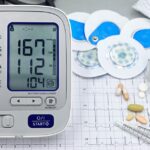
For context, normal blood pressure is generally considered below 120/80 mm Hg. Hypertension stage 1 begins at 130/80 mm Hg. Stage 2 begins at 140/90 mm Hg. A hypertensive crisis is generally defined as a reading above 180/120 mm Hg.
Many centers become cautious when readings are in the range of stage 2 or higher, especially if the number is new or has not been seen before. A reading in the crisis range usually prompts a pause and further evaluation. Some providers will proceed if the pressure comes down with rest or a small dose of medication. Others will reschedule.
Two things matter as much as the number itself:
- Is this your usual pressure, or is it suddenly much higher than normal?
- Are there symptoms like chest pain, severe headache, shortness of breath, or vision changes?
If there are symptoms, the priority shifts. That is a medical situation that needs attention on its own, separate from the colonoscopy.
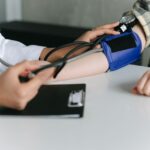
What Happens If Your Pressure Is High on Procedure Day
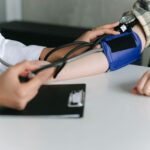
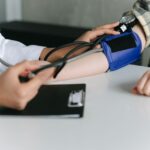
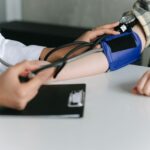
The team will usually repeat the measurement. Blood pressure fluctuates. A single reading taken while you are anxious, cold, or rushed can be misleading.
If the repeat reading is still high, the anesthesiologist or nurse anesthetist will review your history. They may ask about your medications, when you last took them, and whether you have had readings this high before.
From there, a few paths are common:
- The procedure proceeds with closer monitoring.
- The team gives a short-acting medication to bring the pressure down, then proceeds.
- The procedure is postponed so your blood pressure can be managed more carefully.
Postponing is not a failure. It is a judgment call that weighs the value of the test against the risk of doing it right now. If your colonoscopy is a routine screening and you feel well, a short delay is usually not dangerous. If the test is being done because of symptoms or a concerning finding, the team will weigh that urgency into the decision.
How to Prepare If You Have High Blood Pressure
Preparation starts days before the procedure, not in the waiting room. Most of what raises risk on procedure day is preventable.
Take your blood pressure medications as instructed. This is the single most important step. Many clinics tell patients to continue their usual hypertension medications, including on the morning of the procedure, with a small sip of water. Some medications have specific instructions, so always follow what your own care team tells you.
Ask about your specific medications. Certain drugs used for blood pressure, particularly some diuretics, may need attention because of the fluid shifts caused by bowel prep. Others, including ACE inhibitors and angiotensin receptor blockers, are handled differently at different centers. Do not stop or change any medication on your own. Ask.
Follow the bowel prep exactly. Poor prep is one of the most common reasons a colonoscopy has to be repeated. Dehydration from prep can also affect blood pressure and heart rate. Drink the clear fluids your instructions allow.
Manage stress where you can. Anxiety raises blood pressure. Knowing what to expect helps. Ask questions ahead of time if that reduces your worry.
Report symptoms honestly. If you have chest pain, severe headache, or shortness of breath before the procedure, say so. Do not downplay it to avoid a delay.
Does High Blood Pressure Raise Colonoscopy Risks?
High blood pressure on its own is not a major independent risk factor for complications from colonoscopy. The complications people worry about most, such as bleeding or perforation, are tied to the procedure itself and to factors like polyps being removed, not to blood pressure.
The connection that matters is indirect. Long-standing high blood pressure can lead to heart disease, kidney disease, and blood vessel damage. Those conditions are what raise the stakes during sedation and the procedure.
This is why your care team asks about your heart history, not just your last blood pressure reading. A person with high blood pressure and a healthy heart is in a different situation than someone with high blood pressure and known coronary artery disease.
Age matters too. Older adults are more likely to have both high blood pressure and other conditions that affect how they handle sedation. This is factored into the plan.
When a Colonoscopy Might Be Delayed
Delays happen, and they are usually about safety, not inconvenience. A colonoscopy may be postponed if:
- Blood pressure is severely elevated and does not come down with rest.
- You have symptoms suggesting a hypertensive emergency, such as chest pain or neurological changes.
- Your blood pressure has been unstable or recently changed without a clear cause.
- There are signs of a heart or kidney problem that needs evaluation first.
If your procedure is delayed, the next step is usually a visit with your primary care provider or cardiologist. The goal is to get your pressure into a safer range and confirm there is nothing else going on. Once that is sorted out, the colonoscopy can be rescheduled.
A delay for blood pressure reasons is not a sign that something is seriously wrong. It is a sign that the team is being careful.
What This Means for You
If you have high blood pressure and a colonoscopy coming up, the most useful things you can do are simple. Take your medications as directed. Follow your prep instructions. Ask your care team about any medication questions before the day of the procedure. And do not skip the test out of worry.
Colonoscopy remains one of the most effective tools for finding colon polyps and catching colorectal cancer early. For most people with high blood pressure, the procedure is safe and manageable. The key is communication, not avoidance.
Frequently Asked Questions
Can I have a colonoscopy if I have high blood pressure?
Yes, most people with high blood pressure can have a colonoscopy. Well-controlled hypertension is not a reason to cancel the procedure, though very high readings on the day may lead to a delay.
What blood pressure is too high for a colonoscopy?
There is no single official cutoff, and thresholds vary by clinic. Readings in the hypertensive crisis range, generally above 180/120 mm Hg, usually prompt a pause and further evaluation before proceeding.
Should I take my blood pressure medication before a colonoscopy?
In most cases, yes, but the answer depends on which medications you take. Follow the specific instructions from your own care team, and never stop or change a medication on your own.
Will high blood pressure cause my colonoscopy to be cancelled?
It can lead to a delay, but cancellation is uncommon for blood pressure alone. If your procedure is postponed, it is usually so your pressure can be managed more carefully before rescheduling.
