
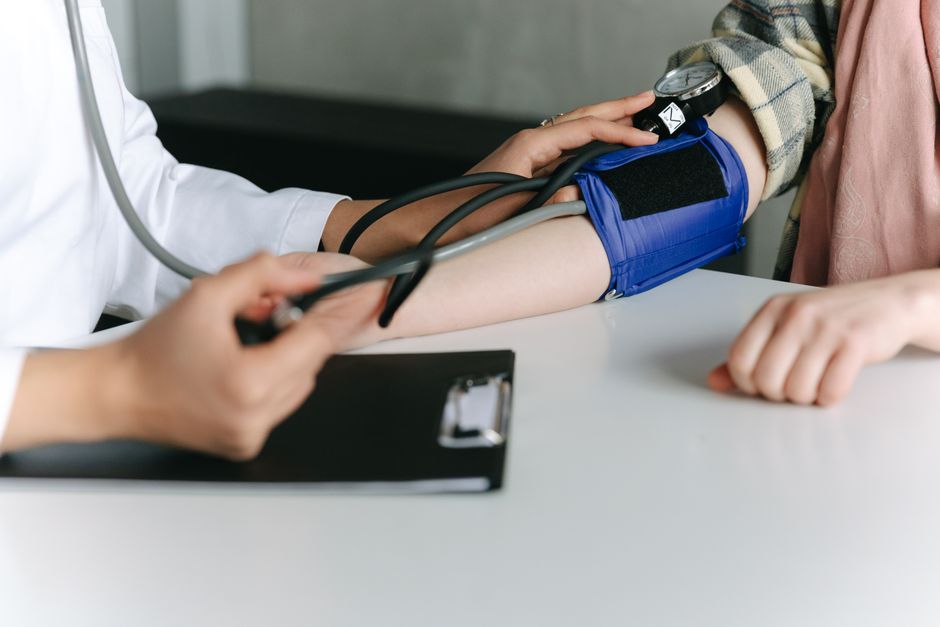
High blood pressure rarely announces itself. Most people who have it feel completely normal while the condition quietly strains the heart, blood vessels, kidneys, and brain over years. The good news is that for many people, blood pressure can be lowered through a combination of daily habits, and when lifestyle changes are not enough, well-established medications can bring it under control. This guide explains what actually works, what the evidence shows, and where the honest limits are.
What Counts as High Blood Pressure?
Blood pressure is measured in millimeters of mercury (mm Hg) and written as two numbers. The top number is systolic pressure — the force against artery walls when the heart beats. The bottom number is diastolic pressure — the force between beats.
For most adults, a normal reading is below 120/80 mm Hg. Blood pressure between 120 and 129 systolic with diastolic under 80 is called elevated. Stage 1 hypertension begins at 130/80 mm Hg. Stage 2 hypertension begins at 140/90 mm Hg.
One high reading does not mean you have hypertension. Blood pressure fluctuates throughout the day. Diagnosis generally requires multiple readings on separate occasions, ideally averaged. Some people have what is called white coat hypertension — elevated readings in a medical setting that are normal at home. Others have the opposite pattern, called masked hypertension, where readings look fine in the clinic but are high during daily life.
A single number does not tell the whole story. Your overall cardiovascular risk — including age, cholesterol, smoking status, diabetes, and family history — matters as much as the blood pressure number itself when deciding on treatment.
Why Does High Blood Pressure Matter?
Persistent high blood pressure damages arteries over time. It forces the heart to work harder, which can lead to thickening of the heart muscle and eventually heart failure. It damages the small vessels in the kidneys, contributing to kidney disease. It weakens blood vessel walls in the brain, raising the risk of stroke. It accelerates plaque buildup in the arteries, increasing the risk of heart attack.
These consequences develop silently. By the time symptoms appear — headaches, vision changes, chest pain — damage may already be significant. This is why hypertension is sometimes called a silent condition. It is also why regular monitoring matters even when you feel well.
The relationship between blood pressure and risk is continuous. That means there is no single threshold where risk suddenly begins. Risk rises gradually as pressure rises, starting from levels well below the diagnostic cutoff for hypertension.
How To Relieve High Blood Pressure Through Lifestyle
Lifestyle changes can meaningfully lower blood pressure. For some people with mildly elevated readings, these changes may be enough to avoid medication. For others already on medication, they can reduce how much medication is needed. The effect varies by person, and no single change works for everyone.
Reduce sodium intake. The relationship between sodium and blood pressure is well established. Reducing sodium can lower blood pressure in many people, though the degree of response varies. The strongest evidence supports cutting back on processed foods, which account for most sodium in typical diets — not just putting down the salt shaker.
Follow a DASH-style eating pattern. The Dietary Approaches to Stop Hypertension (DASH) diet emphasizes vegetables, fruits, whole grains, lean proteins, and low-fat dairy while limiting saturated fat and added sugar. Research consistently shows this pattern lowers blood pressure. It is one of the most well-supported dietary approaches for hypertension.
Increase potassium from food. Potassium helps the body balance sodium. Foods like bananas, potatoes, beans, spinach, and yogurt are good sources. People with kidney disease or those taking certain medications should talk to their doctor before increasing potassium, because too much can be dangerous in those situations.
Exercise regularly. Aerobic activity — walking, cycling, swimming — can lower systolic pressure by a modest but meaningful amount in people with hypertension. The effect appears with regular activity, not occasional effort. Current guidelines generally recommend at least 150 minutes of moderate activity per week for adults, though individual recommendations may differ.
Limit alcohol. Heavy drinking raises blood pressure. Reducing alcohol intake can lower it. The relationship is dose-dependent — more alcohol generally means higher pressure.
Stop smoking. Smoking does not cause chronic high blood pressure in the way sodium does, but it damages blood vessels and dramatically increases cardiovascular risk in people who already have hypertension. Quitting is one of the most important steps for anyone with elevated pressure.
Lose excess weight if applicable. Weight loss can lower blood pressure in people who are overweight. Even modest weight reduction may produce measurable improvement.
Manage stress. The evidence here is less direct than for diet and exercise. Stress can raise blood pressure temporarily, and chronic stress may contribute to habits that raise it — poor sleep, overeating, alcohol use. Stress-reduction techniques like breathing exercises, meditation, or regular physical activity may help indirectly, but they are not a substitute for other measures.
Prioritize sleep. Poor sleep, especially sleep apnea, is strongly associated with hypertension. Treating sleep apnea can improve blood pressure in some people. If you snore heavily or feel exhausted despite adequate sleep, it is worth discussing with a doctor.



Do Medications Help?
Yes. For many people, lifestyle changes alone are not enough to bring blood pressure into a safer range. When that happens, medication is often necessary. This is not a failure of willpower — genetics, age, and other factors play significant roles that lifestyle cannot fully overcome.
Several classes of blood pressure medications are well established:
- Diuretics help the kidneys remove excess sodium and water, reducing blood volume.
- ACE inhibitors and ARBs relax blood vessels by blocking specific hormonal pathways.
- Calcium channel blockers relax blood vessel walls by limiting calcium entry into muscle cells.
- Beta-blockers reduce heart rate and the force of heart contractions, though they are used less often as first-line treatment for uncomplicated hypertension.
Many people need more than one medication to reach their target. Combinations are common and often more effective than increasing a single drug. Which medication is right depends on individual factors — age, kidney function, other conditions, pregnancy status, and side effect tolerance.
Medication does not replace lifestyle changes. The two work together. Someone on medication who also improves diet, exercise, and sleep may need less medication over time — but only under medical supervision. Never stop or adjust blood pressure medication on your own.
What About Supplements and Home Remedies?
This is where honesty matters most. Many products marketed for blood pressure have weak or absent evidence. Some may interact with medications. A few have modest supporting data, but none replace established treatment.
Beetroot juice and dietary nitrates have shown modest blood pressure reductions in some short-term studies. The effect is generally small and not well established for long-term outcomes.
Magnesium may have a small effect on blood pressure in some people, particularly those with low intake. The evidence is not strong enough to recommend it as a primary treatment.
Garlic supplements have been studied, with mixed results. Some trials show small reductions; others show none.
Coenzyme Q10, hawthorn, and many herbal products lack convincing evidence for blood pressure reduction in humans. Marketing claims often outrun the science.
The honest position: no supplement has been shown to replace medication or produce the kind of sustained, clinically meaningful blood pressure reduction that diet, exercise, and prescribed drugs can achieve. If you want to try a supplement, discuss it with your doctor first — especially if you take blood pressure medication or have kidney disease.
When Should You Seek Medical Care?
Seek immediate medical attention if you have a blood pressure reading above 180/120 mm Hg, especially with symptoms like chest pain, shortness of breath, severe headache, vision changes, numbness, weakness, or difficulty speaking. These can signal a hypertensive crisis or a cardiovascular event.
For non-emergency situations, see a doctor if your home readings are consistently elevated, if you have been diagnosed with hypertension and your readings remain high despite treatment, or if you experience side effects from medication that make it hard to continue.
Home blood pressure monitoring is valuable. It gives a more complete picture than occasional clinic readings. Use a validated upper-arm cuff, sit quietly for a few minutes before measuring, and take readings at consistent times. Bring your log to medical appointments.
What Does the Evidence Actually Show?
The strongest evidence for lowering blood pressure comes from three areas: reducing sodium, following a DASH-style diet, and regular aerobic exercise. These have been studied extensively and show consistent effects across populations.
Weight loss, alcohol reduction, and potassium increase also have solid supporting evidence. Stress management and sleep improvement have plausible mechanisms and some supporting data, but the direct evidence for blood pressure reduction is less robust than for diet and exercise.
Medication has the strongest evidence for reducing cardiovascular events — heart attack, stroke, heart failure — in people with hypertension. Lifestyle changes improve blood pressure numbers; medication has been shown to reduce hard outcomes like stroke and heart attack in high-risk groups.
The combination of lifestyle and medication, tailored to the individual, remains the most well-supported approach. There is no single fix. But there is a clear path, and it starts with knowing your numbers.
Frequently Asked Questions
Can high blood pressure be cured without medication?
Some people with mildly elevated blood pressure can bring it into a normal range through diet, exercise, and other lifestyle changes alone. Others cannot, because genetics and age play significant roles that lifestyle cannot fully overcome.
How fast can lifestyle changes lower blood pressure?
Some changes, like reducing sodium, can produce measurable effects within weeks. Others, like weight loss and sustained exercise, may take longer. The response varies by person, and consistency matters more than speed.
Is it safe to stop blood pressure medication if my readings are normal?
No. Normal readings on medication usually mean the medication is working, not that you no longer need it. Stopping suddenly can cause dangerous spikes. Any change should be made only with a doctor’s guidance.
Does stress cause high blood pressure?
Stress can raise blood pressure temporarily, and chronic stress may contribute to habits that raise it over time. The direct evidence that stress alone causes chronic hypertension is not strong, but managing stress supports overall cardiovascular health.
