
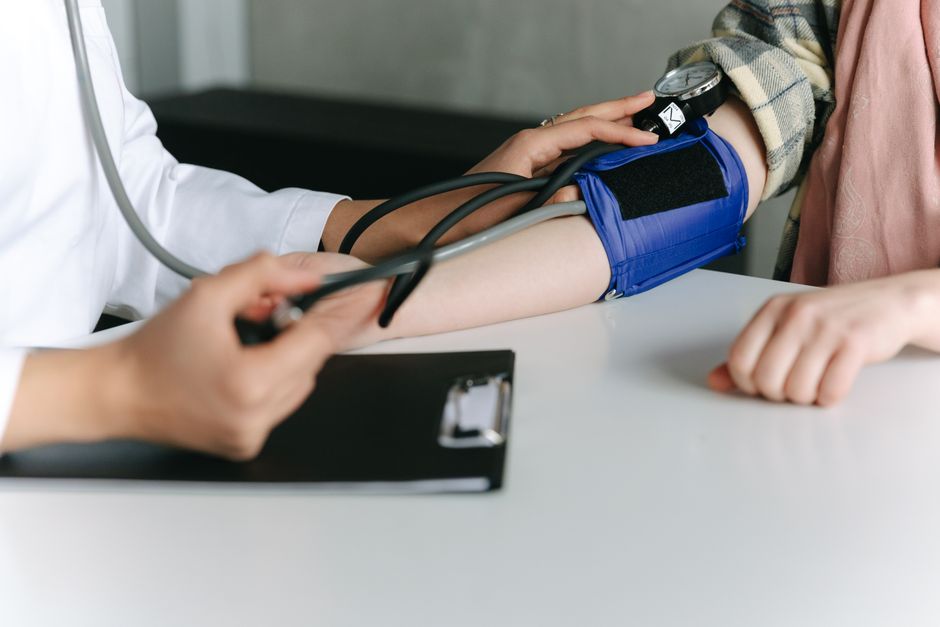
High blood pressure rarely announces itself. There is no ache, no visible swelling, no signal you can feel. That silence is exactly what makes it dangerous. Over years, elevated pressure quietly damages the walls of your arteries and the organs those arteries supply, which is why it remains one of the leading modifiable risk factors for heart attack, stroke, kidney failure, and vision loss worldwide.
What high blood pressure does to your body is largely a story about blood vessels. Pressure that stays too high for too long injures the delicate inner lining of arteries, and the body’s attempt to repair that injury creates scarring, stiffening, and narrowing. Every organ that depends on those vessels pays a price.
What Counts as High Blood Pressure?
A normal blood pressure reading is below 120/80 mm Hg. The top number, systolic pressure, measures the force against your artery walls when your heart beats. The bottom number, diastolic pressure, measures the force between beats.
According to the American Heart Association and the American College of Cardiology, high blood pressure is staged as follows:
| Category | Systolic (mm Hg) | Diastolic (mm Hg) |
|---|---|---|
| Normal | Below 120 | Below 80 |
| Elevated | 120–129 | Below 80 |
| Stage 1 hypertension | 130–139 | 80–89 |
| Stage 2 hypertension | 140 or higher | 90 or higher |
| Hypertensive crisis | Higher than 180 | Higher than 120 |
A single high reading does not mean you have hypertension. Diagnosis generally requires multiple elevated readings on separate occasions, though if readings are very high or you have symptoms, clinicians may act sooner. A hypertensive crisis reading warrants immediate medical attention.
One detail people often miss: systolic pressure tends to rise with age as arteries stiffen, and after about age 50, systolic pressure is the stronger predictor of cardiovascular risk in most adults. Diastolic pressure often levels off or even falls in later decades.
How Does High Blood Pressure Damage Your Arteries?
Arteries are built to handle pulsating flow. When pressure stays elevated, the constant mechanical stress injures the endothelium, the single-cell-thick lining of the artery wall. This triggers inflammation and a repair process that deposits cholesterol, calcium, and fibrous tissue into the vessel wall, forming plaque.
This process is called atherosclerosis. It narrows the artery and makes it less flexible. A narrowed artery delivers less blood to the tissue beyond it. A stiff artery makes the heart work harder with every beat.
There is a second problem. Plaque can rupture. When it does, the body forms a clot at the site, and that clot can block blood flow entirely. A blocked artery in the heart causes a heart attack. A blocked artery in the brain causes a stroke.
Smaller arteries suffer too. In organs like the kidneys, eyes, and brain, tiny vessels can thicken and narrow in response to chronic pressure. This is where much of the long-term damage to organ function originates.
What Can High Blood Pressure Do to Your Heart?
The heart is the first organ affected because it sits directly in the path of the pressure it creates. Facing higher resistance, the heart muscle thickens, a condition called left ventricular hypertrophy. A thicker heart wall is stiffer and less able to relax and fill between beats.
Over time, this can lead to heart failure, a condition in which the heart cannot pump enough blood to meet the body’s needs. Symptoms include shortness of breath, fatigue, and swelling in the legs and feet.
High blood pressure also accelerates coronary artery disease, the narrowing of the vessels that feed the heart muscle itself. Reduced blood flow to the heart muscle causes chest pain, known as angina, and raises the risk of heart attack.
Some of the most common heart-related consequences include:
- Coronary artery disease and heart attack
- Heart failure, particularly heart failure with preserved ejection fraction
- Left ventricular hypertrophy and stiffening of the heart muscle
- Atrial fibrillation, an irregular heart rhythm
How Does High Blood Pressure Affect the Brain?
The brain depends on a steady, well-regulated blood supply. High blood pressure disrupts that supply in two major ways: it damages large arteries that feed the brain, and it injures the small vessels deep within brain tissue.
Stroke is the most serious brain consequence. Elevated pressure both promotes the plaque buildup that can block an artery and weakens vessel walls, making them more likely to rupture. Bleeding into the brain from a ruptured vessel is called a hemorrhagic stroke.
Small vessel disease is quieter. Chronic pressure can damage the tiny arteries deep in the brain, leading to areas of tissue injury. Over time this contributes to vascular cognitive impairment, a decline in thinking and memory skills. It can also cause white matter changes visible on brain imaging.
Vascular dementia, a form of cognitive decline caused by reduced blood flow to the brain, is the second most common cause of dementia after Alzheimer’s disease. High blood pressure in midlife is a recognized risk factor for cognitive decline later in life.
What Does High Blood Pressure Do to Your Kidneys?
The kidneys filter blood through millions of tiny structures called nephrons, each containing a cluster of capillaries known as a glomerulus. These delicate filters are directly exposed to your blood pressure.
Sustained high pressure damages the small arteries supplying the glomeruli, causing them to scar and stop filtering properly. This is called hypertensive nephrosclerosis. As filtering capacity drops, waste products build up in the blood, and the kidneys lose their ability to regulate fluid and electrolytes.
High blood pressure is the second leading cause of kidney failure in the United States, behind diabetes. The relationship runs both ways. Damaged kidneys are less able to regulate blood pressure, which can make hypertension worse, creating a cycle that is difficult to break.
Early kidney damage from hypertension often causes no symptoms. Blood and urine tests can detect it before you feel anything, which is one reason regular checkups matter.
Can High Blood Pressure Affect Your Eyes?
The retina at the back of the eye is one of the few places in the body where blood vessels can be examined directly. That makes the eye a window into vascular damage elsewhere.
High blood pressure can cause a condition called hypertensive retinopathy, in which retinal blood vessels narrow, leak, or bleed. In its early stages it usually causes no symptoms. More severe forms can lead to blurred vision or vision loss.
Elevated pressure also raises the risk of other eye problems. It increases the likelihood of retinal artery and vein blockages, which can cause sudden vision loss. It is also associated with a higher risk of glaucoma and may contribute to damage in diabetic retinopathy.
Are There Symptoms You Should Watch For?
Most people with high blood pressure feel completely normal. This is why it is often called the silent killer. Symptoms, when they occur, usually signal that pressure has reached dangerous levels or that organ damage has already developed.
Possible warning signs at very high pressures include severe headaches, chest pain, shortness of breath, vision changes, and blood in the urine. These are not reliable indicators of routine hypertension and should never be used to decide whether you have it.
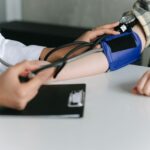
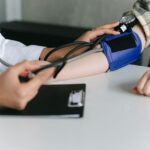
The only dependable way to know your blood pressure is to measure it. Home monitors are widely available and reasonably accurate when used correctly. A clinician can confirm a diagnosis and check for organ damage with blood tests, urine tests, and sometimes an electrocardiogram.
Can This Damage Be Reversed?
Some of it can, and some of it cannot. This is where honest expectations matter.
Lowering blood pressure clearly reduces the risk of stroke, heart attack, and heart failure. That is one of the most consistently supported findings in cardiovascular medicine. Controlling pressure also slows the progression of kidney disease and reduces the risk of further vascular damage.
Arterial plaque that has already formed generally does not disappear completely, though it can stabilize and become less likely to rupture. Left ventricular hypertrophy can partially regress when pressure is well controlled for a sustained period. Some early retinal changes improve as well.
Established kidney damage and areas of brain tissue lost to stroke do not regenerate. This is the core reason prevention and early treatment matter far more than trying to undo damage later.
Treatment typically combines lifestyle changes with medication when needed. Which approach and which targets are right for you depend on your overall cardiovascular risk, other conditions, and how you respond. Those decisions belong with your clinician, not a general article.
Why the Silent Years Matter Most
High blood pressure usually takes years, sometimes decades, to produce noticeable harm. That long runway is both the danger and the opportunity. Damage accumulates long before symptoms appear, but the same slow timeline means that controlling pressure early can prevent much of it.
The organs most at risk, the heart, brain, kidneys, and eyes, all depend on healthy blood vessels. Protecting those vessels is the shared thread running through every consequence of hypertension. Knowing your numbers is the first step, and it is one you can take today.
Frequently Asked Questions
What can high blood pressure do to your body over time?
Over years, it damages arteries and the organs they supply, leading to heart attack, heart failure, stroke, kidney disease, and vision problems. Most of this damage develops silently before any symptoms appear.
Can you feel high blood pressure?
No, most people with high blood pressure feel completely normal, which is why it is called the silent killer. The only reliable way to know your blood pressure is to measure it.
Does high blood pressure always cause symptoms before it causes damage?
No, organ damage often begins long before any symptoms appear. Symptoms such as severe headaches or vision changes usually indicate pressure has reached dangerous levels or that damage has already occurred.
Can high blood pressure damage be reversed?
Some effects can partially improve with sustained blood pressure control, such as left ventricular hypertrophy and early retinal changes. Established kidney damage and brain tissue lost to stroke do not regenerate.
