
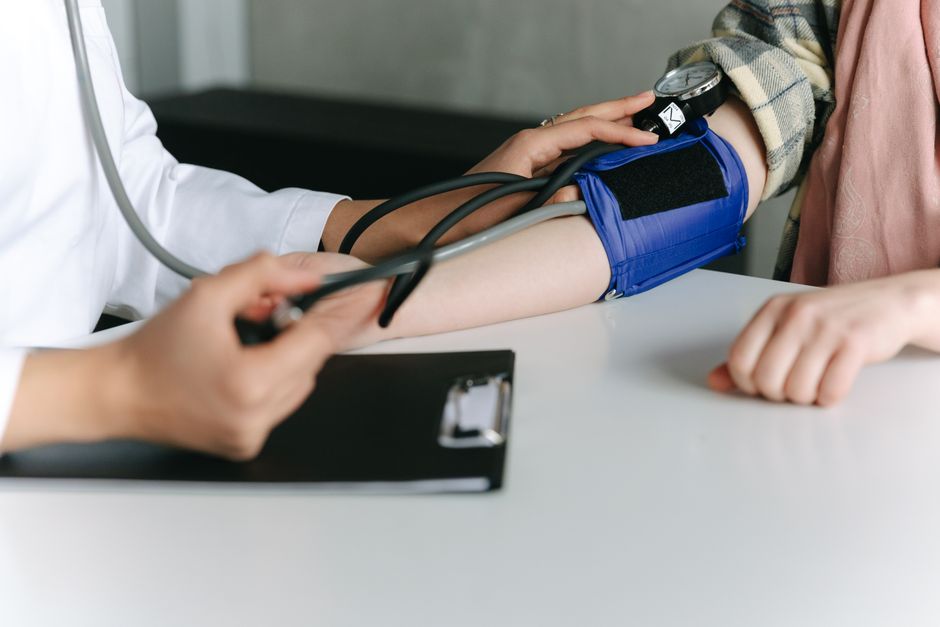
High blood pressure rarely comes from one bad meal. It builds quietly from small daily choices repeated over years. The biggest things to avoid are excess sodium, heavy alcohol drinking, smoking, and a mostly sedentary routine. These four habits do more to push blood pressure up than almost anything else you can control.
Food matters just as much as habits. Processed meats, canned soups, salty snacks, and fast food carry sodium loads that add up fast. The good news is that blood pressure responds to change. For many people, cutting back on these triggers can lower readings within weeks.
Why Does Sodium Raise Blood Pressure So Much?
Sodium pulls water into your bloodstream. More water in the vessels means more pressure against their walls. This is basic fluid physiology, and it is well established.
The kidneys normally balance sodium and fluid. When you take in more sodium than your body needs, the extra fluid stays in circulation longer. Blood vessels that are already stiff or narrowed feel that added pressure more intensely.
Not everyone reacts to sodium the same way. People who are salt-sensitive see bigger jumps in blood pressure from the same amount of salt. Salt sensitivity is more common in older adults, Black adults, and people who already have high blood pressure or diabetes. For these groups, cutting sodium often produces a noticeable drop.
The tricky part is where sodium hides. It is not just the salt shaker. Roughly 70 percent of the sodium Americans eat comes from packaged and restaurant food, according to the Centers for Disease Control and Prevention. That means the biggest gains come from changing what you buy, not just what you sprinkle.
What To Avoid For High Blood Pressure Foods And Habits?
Certain foods and daily routines are worth cutting back on more than others. These are the ones with the strongest link to rising blood pressure.
Foods to limit
- Processed meats: bacon, sausage, hot dogs, deli turkey and ham. These are among the highest-sodium foods you can eat.
- Canned soups and broths: a single can can hold a large share of a day’s sodium.
- Frozen dinners and pizza: convenient, but often loaded with salt and saturated fat.
- Salty snacks: chips, pretzels, salted nuts, and crackers.
- Restaurant and fast food: portion sizes and sodium both run high.
- Pickled and fermented foods: pickles, olives, sauerkraut, and many condiments.
- Bread and rolls: easy to overlook, but a steady sodium source because people eat them daily.
Some of these foods also carry saturated fat, which matters for heart health even when it does not directly spike blood pressure. The pattern is what counts. A diet built around processed food tends to be high in sodium and low in potassium, and that combination works against you.
Habits to limit
- Heavy alcohol use: regular heavy drinking raises blood pressure over time.
- Smoking and vaping: nicotine raises blood pressure and damages vessel walls.
- Sitting for long stretches: prolonged inactivity is linked to higher blood pressure.
- Poor sleep and untreated sleep apnea: both are tied to harder-to-control blood pressure.
- High caffeine in some people: a short-term bump that matters more if you are sensitive.
- Chronic stress with no outlet: stress hormones can keep pressure elevated.
How Much Sodium Is Too Much?
Federal dietary guidelines recommend keeping sodium under 2,300 milligrams per day for most adults. That is about one teaspoon of table salt. The American Heart Association suggests an ideal limit closer to 1,500 milligrams per day, especially for people with high blood pressure.
Most Americans eat far more than either number. Average intake runs around 3,400 milligrams a day. Closing that gap is one of the most effective steps for lowering blood pressure.
Reading labels helps more than most people expect. Sodium is listed in milligrams per serving, and servings are often smaller than what people actually eat. A product with 500 milligrams per serving can deliver 1,000 milligrams if you eat two servings without thinking about it.

Does Alcohol Really Affect Blood Pressure?
Yes, and the effect is well documented. Drinking regularly, especially in large amounts, raises blood pressure over time. The more you drink, the stronger the effect tends to be.
Alcohol also interferes with blood pressure medications, making them less effective. It can add weight and disrupt sleep, both of which push pressure up further. For people trying to lower their numbers, cutting back on alcohol often shows results.
This does not mean an occasional drink is dangerous for everyone. The concern is the pattern. Heavy or frequent drinking is the problem, and reducing it is one of the clearer wins for blood pressure control.
Is Smoking Worse Than People Realize?
Smoking is one of the most damaging habits for blood pressure and heart health. Nicotine narrows blood vessels within minutes of use, causing a temporary spike. Over time, the chemicals in tobacco damage the lining of the arteries, making them stiffer and less able to relax.
Stiff arteries keep blood pressure higher around the clock. Smoking also lowers the oxygen your heart gets and speeds up plaque buildup. The result is a higher risk of heart attack, stroke, and kidney damage on top of elevated pressure.
Vaping is not a safe substitute for the heart. Nicotine is the core problem, and it is present in most vaping products. The evidence on long-term vaping and blood pressure is still developing, and no large human trials have confirmed it is harmless for the cardiovascular system.
Why Does Sitting All Day Matter?
Long stretches of sitting are linked to higher blood pressure, even in people who exercise. The body regulates blood flow partly through movement, and hours of stillness work against that.
Breaking up sitting time helps. Standing, walking, or stretching for a few minutes each hour keeps circulation active. This is not a replacement for regular exercise, but it is a low-effort habit that supports healthier blood pressure.
Regular physical activity, on the other hand, is one of the strongest tools you have. It relaxes blood vessels, helps with weight, and improves sleep. Most guidelines point to at least 150 minutes of moderate activity per week, though any movement is better than none.
What About Caffeine and Stress?
Caffeine causes a short-term rise in blood pressure for many people. For most, the bump is small and temporary. Some people are more sensitive and see a larger, longer-lasting effect. If you notice your readings climb after coffee, it may be worth paying attention to.
Stress is harder to measure but still relevant. Long-term stress keeps stress hormones elevated, and those hormones can tighten blood vessels and raise heart rate. Managing stress does not mean eliminating it. It means having reliable outlets, such as exercise, sleep, time outdoors, or talking with someone you trust.
One point worth clarifying: stress alone rarely causes lasting high blood pressure. It is more of a contributor that stacks on top of sodium, alcohol, inactivity, and poor sleep. That is why habit changes tend to work better together than one at a time.
Do You Have to Give Up These Foods Forever?
No. The goal is a pattern, not perfection. An occasional hot dog or a slice of pizza will not undo your progress. What matters is what you do most days.
A useful way to think about it: crowd out the salty, processed foods with potassium-rich options like beans, leafy greens, bananas, and potatoes. Potassium helps the body balance sodium, and diets rich in it are linked to lower blood pressure. This is the core idea behind eating plans like DASH, which research consistently shows can lower blood pressure.
Small swaps add up. Fresh chicken instead of deli meat. Unsalted nuts instead of chips. Water or sparkling water instead of a second drink. None of these are dramatic on their own, but they build a pattern that your blood vessels notice.
If you take blood pressure medication, talk with your clinician before making big changes to diet or alcohol use. Some shifts can affect how your medication works, and your care team can help you adjust safely. No single food or habit is the whole story. It is the daily pattern that shapes your numbers over time.
Frequently Asked Questions
What is the single worst food for high blood pressure?
There is no single worst food, but processed meats like bacon, sausage, and deli meat are among the highest in sodium and are strongly linked to raised blood pressure. Canned soups and frozen dinners are close behind.
Can I lower blood pressure without medication?
For some people, cutting sodium, limiting alcohol, quitting smoking, and moving more can lower blood pressure enough to reduce or delay the need for medication. This should be done with guidance from your clinician, not on your own.
Does coffee raise blood pressure?
Coffee causes a short-term rise in blood pressure for many people, but the effect is usually small and temporary. People who are more sensitive may see a larger or longer-lasting bump.
How long does it take to see results from cutting sodium?
Many people notice lower readings within a few weeks of reducing sodium, though the timeline varies by person. Salt-sensitive individuals often see the biggest and fastest changes.
