
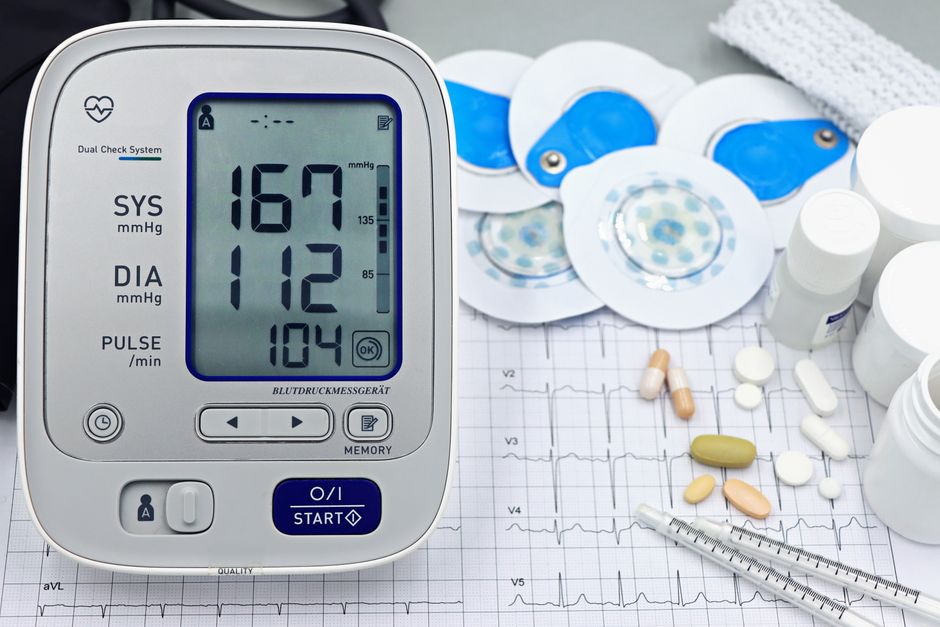
Your diastolic blood pressure is the bottom number in a reading like 120/80. It measures the pressure in your arteries during the brief pause between heartbeats, when your heart is refilling with blood. When that bottom number creeps up while the top number stays normal, it usually points to resistance in the small arteries — the arterioles — that sit far from the heart and regulate how easily blood flows into the tissues.
This pattern is called isolated diastolic hypertension. It is most common in adults under 50, and it is not a minor finding. It reflects real pressure inside your vascular system, and it deserves the same attention as a high systolic number.
Why Is Your Diastolic Blood Pressure High?
Diastolic pressure rises when the small arteries throughout your body stay tightened instead of relaxing between beats. That stiffness forces the heart to push against more resistance, and the pressure that remains in the system during the resting phase of the cardiac cycle goes up.
Several things drive that resistance. The most common are excess body weight, a high-salt diet, low physical activity, heavy alcohol use, and chronic stress. Age matters too, but in a specific way: diastolic pressure tends to rise through early and middle adulthood and then often falls after about age 60, when the large arteries stiffen and systolic pressure becomes the dominant problem.
There is a detail many people miss. A single high diastolic reading is not a diagnosis. Blood pressure fluctuates minute to minute with talking, movement, caffeine, a full bladder, or the stress of being in a clinic. Diagnosis requires repeated measurements, ideally including readings taken at home or over 24 hours with a monitor.
What Counts as High Diastolic Blood Pressure?
For most adults, a diastolic reading below 80 mm Hg is considered normal. The categories below reflect widely used clinical thresholds for adults not taking blood pressure medication.
| Category | Systolic (mm Hg) | Diastolic (mm Hg) |
|---|---|---|
| Normal | Less than 120 | Less than 80 |
| Elevated | 120–129 | Less than 80 |
| Stage 1 hypertension | 130–139 | 80–89 |
| Stage 2 hypertension | 140 or higher | 90 or higher |
Isolated diastolic hypertension means the bottom number is 80 mm Hg or higher while the top number stays below 130 mm Hg. That combination is what makes this pattern distinct. It is worth knowing that different medical organizations have used slightly different cutoffs over the years, so your clinician’s target may vary based on your overall health.
One reading in a doctor’s office is rarely enough. Home monitoring or a 24-hour ambulatory monitor gives a much clearer picture of what your pressure actually does during a normal day.
What Causes High Diastolic Pressure in Younger Adults?
In adults under 50, the arteries are usually still flexible. When diastolic pressure is high in this group, the cause is more often functional than structural — the small arteries are being squeezed by something in the body’s environment rather than permanently damaged.
The biggest contributors are lifestyle-related:
- Excess weight. Extra body fat, especially around the abdomen, is linked to higher diastolic pressure.
- High sodium intake. Too much salt makes the body hold fluid, which raises pressure inside the arteries.
- Low potassium. Potassium helps the body shed sodium. Diets low in fruits and vegetables often fall short.
- Alcohol. Regular or heavy drinking raises blood pressure. The effect can last for hours after drinking.
- Physical inactivity. Regular movement helps keep blood vessels flexible.
- Chronic stress and poor sleep. Both keep the nervous system in a more activated state, which tightens blood vessels.
- Smoking and nicotine. Nicotine causes blood vessels to narrow within minutes of use.
Some cases have a medical cause rather than a lifestyle one. Kidney disease, thyroid disorders, sleep apnea, and certain hormonal conditions can all raise diastolic pressure. Some medications — including certain decongestants, nonsteroidal anti-inflammatory drugs, and some hormonal contraceptives — can push it up as well. When blood pressure is high despite a healthy lifestyle, or when it appears suddenly, these causes are worth investigating.




Why Does Diastolic Pressure Matter for Your Health?
High diastolic pressure is not just a number. Over time, the extra force against your artery walls damages them. That damage raises the long-term risk of heart attack, stroke, heart failure, and kidney disease.
The evidence on isolated diastolic hypertension is more nuanced than the evidence on high systolic pressure. Some large studies have found that isolated diastolic hypertension carries a modest increase in cardiovascular risk, particularly in younger adults. Other studies suggest the risk is smaller than once thought, especially when systolic pressure is normal. The honest position is that this pattern is not harmless, but its risk profile is less clear-cut than that of combined high blood pressure.
What is well established is that high blood pressure of any pattern is a leading modifiable risk factor for cardiovascular disease. That alone makes it worth addressing.
Can High Diastolic Blood Pressure Be Lowered?
Yes, and lifestyle changes are often effective for this pattern, especially in younger adults. Because the small arteries are still flexible, they respond well to changes that reduce resistance and fluid volume.
What the evidence consistently supports:
- Reduce sodium. Cutting back on salt lowers blood pressure in many people.
- Increase potassium. Fruits, vegetables, beans, and low-fat dairy are good sources. People with kidney disease should talk to a clinician before increasing potassium.
- Lose excess weight. Even modest weight loss can lower diastolic pressure.
- Move more. Regular aerobic activity such as brisk walking helps blood vessels relax.
- Limit alcohol. Reducing intake often lowers blood pressure within weeks.
- Quit smoking. The nicotine effect on blood vessels is immediate.
- Improve sleep. Poor sleep and untreated sleep apnea both raise blood pressure.
Medication is sometimes needed, particularly when lifestyle changes alone do not bring the number down or when other risk factors are present. Which medication and whether it is needed is a decision for a clinician, based on your overall risk and health history.
When Should You See a Doctor?
See a clinician if your diastolic reading is consistently 80 mm Hg or higher on repeated measurements, especially if it is 90 mm Hg or higher. Bring your home readings if you have them, since they give a more accurate picture than a single office visit.
Some situations need urgent care. A diastolic reading of 120 mm Hg or higher, or any high reading accompanied by chest pain, shortness of breath, severe headache, vision changes, weakness, or difficulty speaking, is a medical emergency. Call emergency services.
For most people with mildly elevated diastolic pressure, the conversation with a clinician is about monitoring, lifestyle, and whether treatment is warranted. That conversation is worth having early, before the number climbs higher.
Frequently Asked Questions
Why is my diastolic blood pressure high but my systolic is normal?
This pattern, called isolated diastolic hypertension, usually reflects resistance in the small arteries rather than stiffness in the large ones. It is most common in adults under 50 and is often linked to weight, diet, alcohol, or stress.
What is a dangerous diastolic blood pressure?
A diastolic reading of 120 mm Hg or higher is a medical emergency and needs immediate care. Readings of 90 mm Hg or higher on repeated measurements should be evaluated by a clinician.
Can stress cause high diastolic blood pressure?
Yes. Chronic stress keeps the nervous system activated, which narrows blood vessels and can raise diastolic pressure. The effect is usually temporary, but ongoing stress contributes to sustained high blood pressure.
Does high diastolic blood pressure go away on its own?
It can improve with lifestyle changes such as reducing sodium, losing excess weight, and limiting alcohol. Without those changes, it often persists or worsens over time.
