
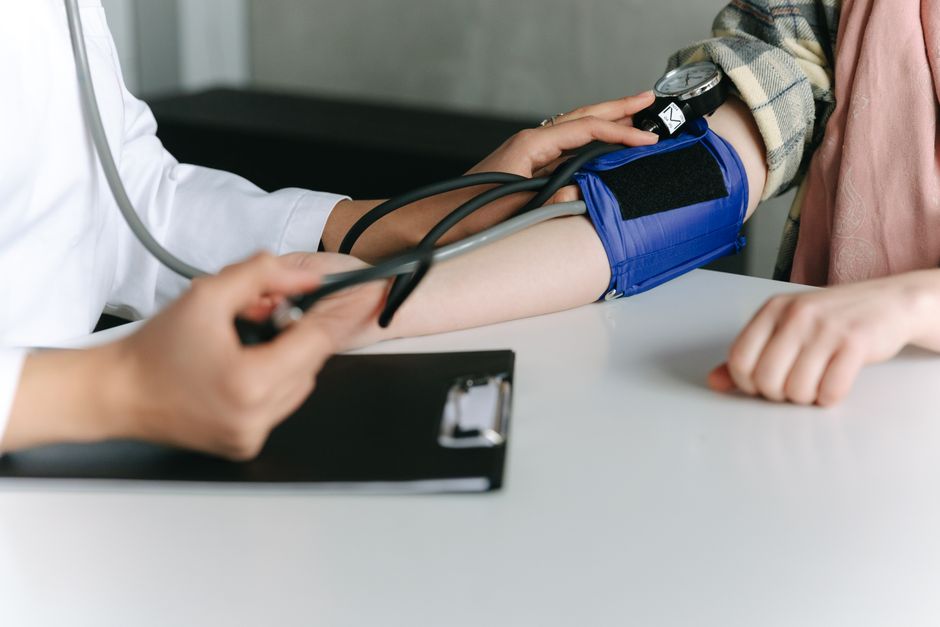
High blood pressure rarely announces itself. You can feel completely normal while your arteries are under strain, which is exactly why the small daily habits matter so much. The most important things not to do with high blood pressure are: don’t skip or stop your medication without talking to your doctor, don’t load up on high-sodium foods, don’t ignore ongoing stress or poor sleep, and don’t assume you’ll “feel it” when your pressure is high. Managing this condition is mostly about consistency, not dramatic gestures.
Why Does High Blood Pressure Stay Silent?
Blood pressure is the force of blood pushing against your artery walls. When that force stays elevated over time, it damages the arteries, the heart, the kidneys, and the brain. The damage happens quietly, over years, often without a single symptom.
This is why the condition is sometimes called a silent killer. Most people with high blood pressure feel nothing unusual. Some may get headaches, nosebleeds, or shortness of breath, but these symptoms are not reliable and often don’t appear until damage is significant. You cannot use how you feel to judge how your blood pressure is doing.
That single fact shapes everything else in this article. Because you can’t feel it, the habits you keep — and the ones you avoid — do the real work.
What Happens If You Stop Taking Blood Pressure Medication?
Stopping blood pressure medication without medical guidance is one of the most common and most dangerous mistakes. Your pressure can climb back to its previous level within days, and sometimes higher.
People stop for understandable reasons. The medication caused side effects. The numbers looked good, so they assumed they were “cured.” The prescription ran out and life got busy. Each of these is a real situation, but none of them makes stopping on your own safe.
Blood pressure medication usually controls the condition rather than curing it. When the drug leaves your system, the effect leaves with it. For some medications, especially beta blockers, stopping suddenly can trigger a dangerous rebound spike. This is a well-documented effect, not a rare one.
If side effects are bothering you, that is a reason to call your doctor, not a reason to quit quietly. There are many classes of blood pressure drugs, and most people can find a combination they tolerate. The conversation is worth having.
Which Foods and Drinks Should You Avoid With High Blood Pressure?
Sodium is the biggest dietary lever for most people with high blood pressure. The problem is rarely the salt shaker. It’s the sodium already packed into processed and restaurant food.
Some of the largest sodium sources in a typical American diet include:
- Deli meats, bacon, sausage, and canned soups
- Frozen prepared meals and pizza
- Restaurant and fast food, which can carry a day’s worth of sodium in one plate
- Bread and rolls, which add up because people eat them often
- Salty snacks, pickled foods, and many condiments and sauces
Alcohol is the other major one. Drinking regularly raises blood pressure, and heavy drinking raises it more. For people who drink, cutting back tends to lower pressure. Caffeine is a different story — it causes a brief rise, but the evidence on long-term coffee drinking and blood pressure is mixed and generally not alarming for habitual drinkers. If you’re unsure how caffeine affects you personally, your doctor can help you sort it out.
One clarification worth making: the effect of sodium on blood pressure varies between people. Some are more salt-sensitive than others. But because it’s hard to know who you are without testing, reducing sodium is a reasonable step for almost everyone with elevated pressure.
Can Stress and Poor Sleep Really Raise Blood Pressure?
Yes, and the effect is more than a one-time spike. Ongoing stress keeps stress hormones circulating, and those hormones can keep pressure elevated over time. Poor sleep does something similar.
Sleep apnea deserves special attention here. This condition causes repeated pauses in breathing during sleep, and it’s strongly linked to high blood pressure, especially hard-to-control cases. Many people with resistant hypertension have undiagnosed sleep apnea. Loud snoring, gasping during sleep, and daytime fatigue are signs worth mentioning to a doctor.
Short sleep — regularly getting less than what your body needs — is also associated with higher blood pressure. The relationship isn’t fully understood, but the pattern shows up consistently in research.
What you shouldn’t do is treat stress as something you just push through. Chronic stress and poor sleep are physiological inputs, not just feelings. Addressing them is part of managing the condition, not a soft add-on.
Is It Dangerous to Exercise With High Blood Pressure?
For most people with high blood pressure, regular exercise lowers pressure and is one of the most effective non-drug tools available. Avoiding exercise out of fear is usually the wrong call.
The exception is uncontrolled, severe hypertension. If your resting blood pressure is very high, or you have heart disease, you should get medical clearance before starting a vigorous routine. This is a real precaution, not a formality.
What not to do:
- Don’t launch into heavy lifting or high-intensity intervals without building a base first
- Don’t hold your breath during exertion, which spikes pressure sharply
- Don’t ignore chest pain, dizziness, or unusual shortness of breath during activity
Walking, swimming, and cycling are good starting points for most people. The goal is consistency over intensity. A few sessions a week, sustained, does more than an occasional hard workout.
Why You Shouldn’t Rely on Supplements or “Feel” Alone
Walk down any pharmacy aisle and you’ll find products claiming to support healthy blood pressure. The evidence behind most of them is thin. Some, like certain herbal blends, can even interact with prescription medications or raise pressure.
No supplement has been shown to replace medication for treating high blood pressure. Some nutrients, like potassium from food, play a genuine role in blood pressure regulation — but potassium supplements can be dangerous for people with kidney problems or those on certain medications, so they should only be used under medical guidance.
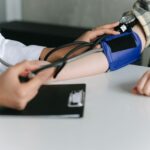
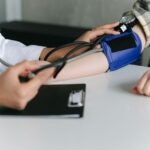
The other trap is trusting how you feel. Because high blood pressure usually causes no symptoms, feeling fine tells you nothing. Home monitoring is far more reliable. A validated upper-arm cuff, used correctly and at consistent times, gives you real information your body won’t.
Track your readings and bring them to your appointments. Patterns over weeks matter more than any single number.
What About Smoking and Other Habits?
Smoking raises blood pressure temporarily with each cigarette and damages blood vessels over the long term. It also makes the damage from high blood pressure worse. Quitting is one of the highest-value changes a person who smokes can make, for blood pressure and for overall health.
Secondhand smoke exposure is a lesser-known factor. It also affects blood pressure and cardiovascular risk, which is worth knowing if you live or work around smokers.
Finally, don’t treat high blood pressure as an isolated problem. It rarely travels alone. Diabetes, high cholesterol, and obesity all raise cardiovascular risk alongside it, and managing them together matters more than managing any one in isolation.
What Not To Do With High Blood Pressure Key Habits
Pulling it together, the habits to avoid form a clear list. Each one is common, and each one is fixable.
- Don’t stop or skip medication without talking to your doctor first
- Don’t assume you’ll feel high blood pressure — you usually won’t
- Don’t ignore the sodium hiding in processed and restaurant food
- Don’t dismiss stress, short sleep, or possible sleep apnea
- Don’t avoid exercise out of fear, but do get clearance if your pressure is uncontrolled
- Don’t rely on supplements or marketing claims instead of proven treatment
- Don’t keep smoking or ignore other risk factors like diabetes and high cholesterol
None of this requires perfection. It requires consistency and honest conversations with your doctor. High blood pressure is manageable, and the habits you avoid often matter as much as the ones you build.
Frequently Asked Questions
Can I stop taking blood pressure medication if my numbers are normal?
No — normal readings usually mean the medication is working, not that you no longer need it. Only your doctor should decide whether to reduce or stop a prescription, and it should be done gradually.
Does high blood pressure always cause symptoms?
No, most people with high blood pressure feel completely normal, even when their readings are dangerously high. This is why regular monitoring matters more than how you feel.
Is coffee bad for high blood pressure?
Coffee causes a brief rise in blood pressure, but the long-term evidence for habitual coffee drinkers is mixed and generally not concerning. If you’re unsure how it affects you, check your readings after drinking it.
Can stress alone cause high blood pressure?
Chronic stress can contribute to elevated blood pressure over time, but it’s rarely the only cause. Sleep quality, diet, genetics, and other factors usually play a role too.
