
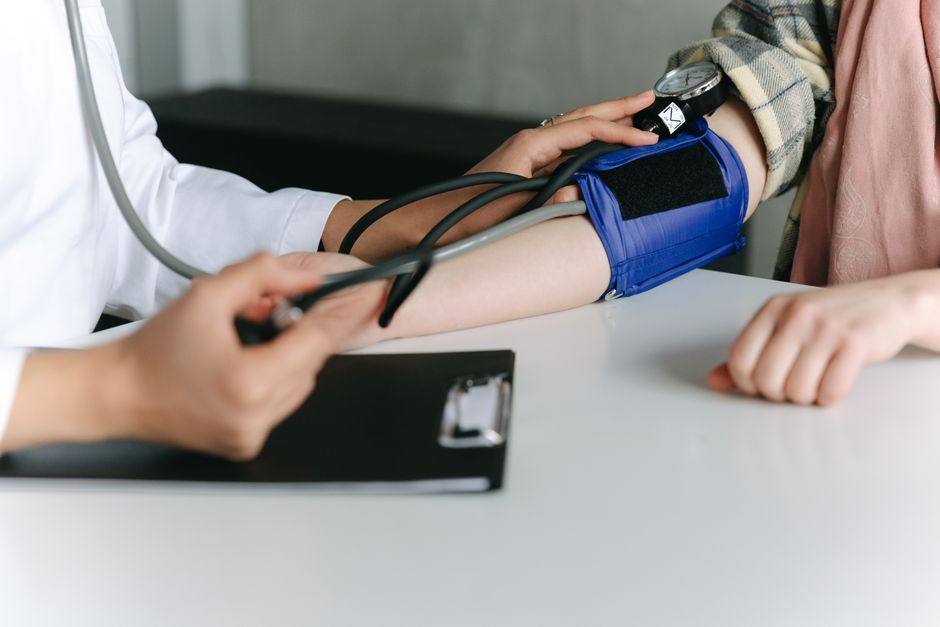
Yes, low blood pressure can make you tired. When your blood pressure drops, less blood reaches your brain and other vital organs. That reduced blood flow means less oxygen and fewer nutrients for your cells, which can leave you feeling fatigued, weak, or lightheaded. This is not the same as the tiredness you feel after a poor night’s sleep. It is a physical response to your body working harder to maintain basic function.
What Counts as Low Blood Pressure?
Doctors define low blood pressure, also called hypotension, as a reading lower than 90/60 mmHg. The first number, systolic pressure, measures the force when your heart beats. The second number, diastolic pressure, measures the force when your heart rests between beats.
For many people, a reading in this range is completely normal and causes no symptoms at all. Some healthy adults, particularly younger women and people who are physically fit, naturally run low. The problem is not the number itself. The problem is how your body responds to it.
Fatigue becomes a real concern when low blood pressure is accompanied by other symptoms. These include dizziness, fainting, blurred vision, nausea, or difficulty concentrating. If you have these symptoms alongside low readings, the tiredness you feel is likely connected to your blood pressure.
How Low Blood Pressure Causes Fatigue
Your brain needs a steady supply of oxygen-rich blood to function properly. When blood pressure drops, that supply diminishes. Your brain does not have energy stores of its own. It depends entirely on continuous blood flow for fuel.
This explains the mental fog and exhaustion many people describe. Thinking becomes harder. Focus slips. Simple tasks feel draining. Your brain is literally running on reduced resources.
Your body also responds to low blood pressure by trying to correct it. Your heart may beat faster to pump more blood. Your blood vessels may constrict to raise pressure. This compensatory effort consumes energy, adding to your sense of physical fatigue.
When blood pressure drops suddenly, the effect is more dramatic. You might feel a wave of weakness or near-fainting. When it stays low for long periods, the fatigue is more constant and subtle. Both forms are real and both are tied to reduced blood flow.
Common Causes of Low Blood Pressure
Several everyday situations can trigger low blood pressure. Dehydration is one of the most common. When your blood volume drops from not drinking enough fluids, your blood pressure follows. Heat exposure and heavy sweating can also reduce blood volume.
Standing up too quickly can cause a sudden drop in pressure. This is called orthostatic hypotension. Blood pools in your legs when you stand, and if your body does not respond quickly enough, your blood pressure falls. This can cause brief dizziness and fatigue.
Certain medications lower blood pressure as a side effect. Diuretics, some antidepressants, and medications for erectile dysfunction are examples. If you started a new medication and noticed fatigue, this could be the cause.
Underlying medical conditions can also be responsible. Anemia, thyroid disorders, diabetes, and heart conditions can all affect blood pressure regulation. Pregnancy causes blood pressure to drop in many women, especially during the first two trimesters.

When Low Blood Pressure Is Not the Cause of Your Tiredness
Fatigue is a common symptom with many possible causes. Low blood pressure is only one of them. It is possible to have both low blood pressure and fatigue without the two being connected.
Poor sleep quality is a leading cause of daytime tiredness. Sleep apnea, insomnia, and irregular sleep schedules all take a toll. Mental health conditions like depression and anxiety frequently cause profound fatigue. Chronic stress depletes energy reserves over time.
Nutritional deficiencies can also cause tiredness. Low iron, low vitamin B12, and low vitamin D are all linked to fatigue. Thyroid conditions, both underactive and overactive, affect energy levels significantly.
If your blood pressure readings are low but you have no other symptoms, your fatigue may have an entirely different source. Your doctor can help you sort through the possibilities.
How to Tell If Your Blood Pressure Is Making You Tired
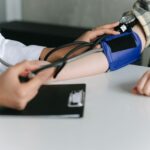
Check your blood pressure when you feel the most fatigued. Take a reading at that moment and compare it to readings when you feel normal. If your pressure drops noticeably during your most tired moments, the connection is more likely.
Pay attention to when the fatigue hits. Does it come on after standing up quickly? Does it worsen after meals? Both of these situations can cause blood pressure to dip in susceptible people.
Keep a simple record for a week. Write down your blood pressure, your energy level on a scale of one to ten, and what you were doing just before the reading. This information is valuable for your doctor and may reveal a pattern.
If your fatigue comes with dizziness, fainting, or confusion, seek medical attention promptly. These symptoms suggest your brain is not getting enough blood flow, which can be dangerous.
What You Can Do to Manage Low Blood Pressure Fatigue
Increasing your fluid intake is often the first step. Water increases blood volume, which helps raise blood pressure. If you are dehydrated, drinking more water may relieve both the low pressure and the fatigue.
Adding more salt to your diet can help some people. Sodium raises blood pressure by drawing water into your bloodstream. You should only do this under medical guidance, especially if you have heart or kidney conditions.
Wearing compression stockings can help. These stockings apply pressure to your legs, which reduces blood pooling and helps maintain blood flow to your upper body. They are commonly recommended for orthostatic hypotension.
Moving more slowly when changing positions can prevent sudden drops. When you stand up from sitting or lying down, give your body time to adjust. This reduces the brief fatigue and dizziness that comes with position changes.
Eating smaller, more frequent meals can help. Large meals divert blood to your digestive system, which can lower blood pressure elsewhere in your body. Smaller meals reduce this effect.
When to See a Doctor
Occasional mild fatigue from low blood pressure is not usually an emergency. But persistent fatigue that interferes with daily life warrants a medical evaluation. Your doctor can determine whether your blood pressure is actually the cause.
Seek immediate care if you faint, feel chest pain, or experience shortness of breath. These can be signs of a more serious condition. Sudden severe dizziness or confusion also requires prompt attention.
Do not stop or change any blood pressure medication on your own. If you suspect a medication is causing your fatigue, talk to your doctor. They can adjust the dose or switch you to a different medication.
A thorough medical workup may include blood tests, an electrocardiogram, and a review of your medications. These tests help rule out other causes of fatigue and confirm whether low blood pressure is the culprit.
Low blood pressure can absolutely make you tired. The fatigue is real and has a clear physiological basis. But it is not the only possible cause of your exhaustion. A careful evaluation of your symptoms, your blood pressure patterns, and your overall health will give you the clearest answer.
Frequently Asked Questions
Can low blood pressure cause extreme fatigue?
Yes, low blood pressure can cause extreme fatigue when reduced blood flow limits oxygen delivery to the brain and muscles. This fatigue is often accompanied by dizziness, weakness, or difficulty concentrating.
How low does blood pressure have to be to cause tiredness?
Tiredness can occur at readings below 90/60 mmHg, but the threshold varies by person. Some people feel fatigued at mildly low readings while others have no symptoms even at much lower numbers.
What helps with fatigue from low blood pressure?
Drinking more water, increasing salt intake under medical guidance, and wearing compression stockings can help raise blood pressure and reduce fatigue. Moving slowly when standing up also helps prevent sudden drops that cause tiredness.
Can dehydration cause low blood pressure and tiredness?
Yes, dehydration reduces blood volume, which lowers blood pressure and can cause fatigue. Replacing fluids usually improves both blood pressure and energy levels.
