
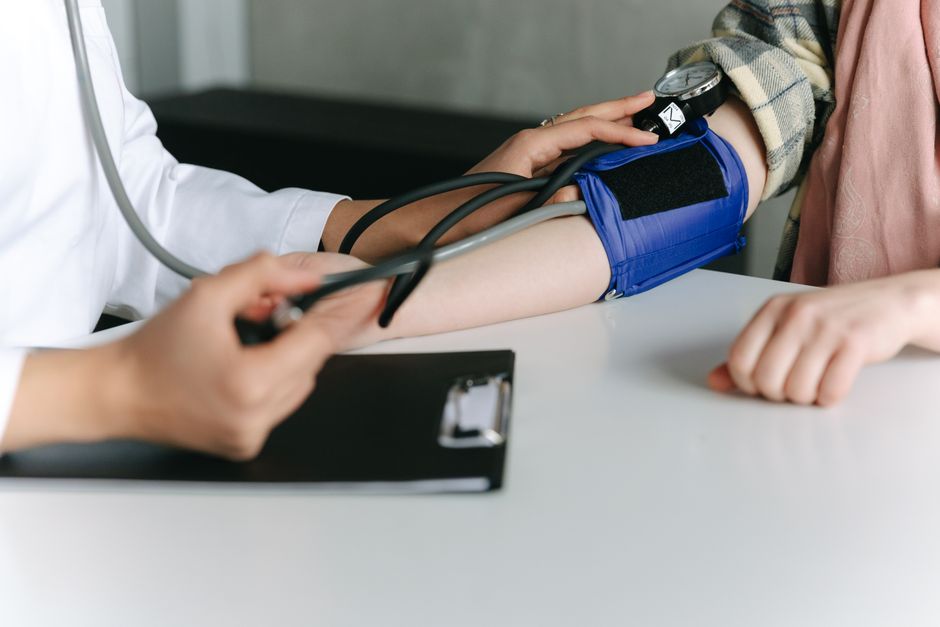
High blood pressure rarely has a single obvious cause. For most adults, it builds up over years from a mix of daily habits, family history, and age-related changes in the body. The heart pumps blood through arteries, and when those arteries become stiff or narrow, the pressure inside them rises. That pressure is what your doctor measures as two numbers: systolic (the pressure when your heart beats) and diastolic (the pressure between beats). A reading of 130/80 mmHg or higher is considered high blood pressure by current guidelines. Understanding why it happens matters because high blood pressure often has no symptoms while it slowly damages your heart, brain, kidneys, and eyes.
What Are the Most Common Causes of High Blood Pressure?
For about 90% of people with high blood pressure, no single medical condition explains it. Doctors call this primary hypertension, and it develops gradually over many years. The main drivers are well established.
Age is a major factor. Blood vessels naturally lose some elasticity as you get older. Stiffer arteries mean the heart has to work harder to push blood through them, which raises pressure. This is why blood pressure tends to rise with each decade of life.
Genetics also play a significant role. If your parents or siblings have high blood pressure, your own risk is higher. Researchers have identified many gene variations linked to blood pressure regulation, though no single “blood pressure gene” exists.
Lifestyle factors are where most people can make changes. A diet high in sodium, carrying excess weight, drinking too much alcohol, and not getting enough physical activity all contribute directly to rising pressure. These factors often combine — for example, a high-salt diet is more damaging in people who also carry excess weight.
Why Would My Blood Pressure Be High Causes Explained: The Role of Diet
Sodium is the most studied dietary factor in blood pressure. The body needs some sodium to function, but most Americans consume far more than needed. Excess sodium makes the body hold onto water. More water in the bloodstream means more volume pushing against artery walls, which raises pressure.
The average US adult consumes roughly 3,400 mg of sodium per day. Health guidelines recommend limiting sodium to under 2,300 mg daily, with an ideal target of 1,500 mg for many adults, especially those over 50 or with existing high blood pressure. Processed foods, restaurant meals, and canned goods are the biggest sources — not the salt shaker.
Potassium works in the opposite direction. It helps blood vessels relax and helps the kidneys flush out excess sodium. Diets low in potassium — common when people eat few fruits and vegetables — remove this protective effect. The DASH diet, which emphasizes vegetables, fruits, whole grains, and low-fat dairy while limiting sodium, has been shown in clinical trials to lower blood pressure meaningfully.
How Weight and Physical Activity Affect Blood Pressure
Excess body weight forces the heart to pump harder. Every pound of fat tissue requires blood vessels to supply oxygen and nutrients, which increases the total volume of blood your heart must circulate. More blood volume equals more pressure on artery walls.
Fat stored around the abdomen is particularly concerning. Visceral fat — the fat deep inside the belly surrounding organs — is metabolically active and promotes inflammation, which can damage blood vessel walls and make them less flexible.
Physical activity strengthens the heart. A stronger heart pumps more blood with less effort, which lowers the pressure on arteries. Regular aerobic exercise — like brisk walking, cycling, or swimming — has been shown to lower systolic blood pressure by 5 to 8 mmHg in people with hypertension. That reduction is comparable to some blood pressure medications.
Even modest weight loss helps. Losing just 5 to 10 pounds can lower blood pressure in many people who are overweight. The effect is not just about the number on the scale — it is about reducing the workload on your heart and blood vessels.


Can Stress and Sleep Raise Blood Pressure?
Stress causes temporary spikes in blood pressure. When you are stressed, your body releases hormones like adrenaline and cortisol. These hormones make your heart beat faster and narrow your blood vessels, which raises pressure. For most people, blood pressure returns to normal once the stress passes.
The problem is chronic stress. Constant activation of this stress response can keep blood pressure higher over time. It also drives unhealthy behaviors — stress eating, drinking more alcohol, smoking, and skipping exercise — which compound the problem.
Sleep matters more than most people realize. During deep sleep, blood pressure naturally drops. People who consistently get fewer than 6 hours of sleep per night have higher average blood pressure than those who sleep 7 to 9 hours. Sleep apnea — a condition where breathing repeatedly stops during sleep — is a specifically recognized cause of high blood pressure. The oxygen drops during apnea episodes trigger stress hormones that keep blood pressure elevated even during the day.
What Medical Conditions Cause Secondary High Blood Pressure?
In about 5 to 10% of cases, high blood pressure has a specific underlying medical cause. Doctors call this secondary hypertension. Unlike primary hypertension, it often appears suddenly and may cause very high readings.
Kidney disease is the most common cause of secondary hypertension. The kidneys regulate fluid balance and produce hormones that control blood vessel diameter. When kidneys are damaged, they cannot perform these functions properly, and blood pressure rises. Conversely, high blood pressure damages kidneys over time, creating a dangerous cycle.
Other causes include:
- Thyroid disorders — both overactive and underactive thyroid can affect blood pressure
- Adrenal gland tumors — rare growths that produce excess blood pressure-raising hormones
- Narrowing of the aorta — a congenital condition called coarctation
- Certain medications — including some birth control pills, decongestants, and NSAID pain relievers
Illegal drugs like cocaine and methamphetamine can cause severe, sudden blood pressure elevations that may require emergency treatment.
What Puts Young Adults at Risk?
High blood pressure is not just an older person’s condition. In younger adults, the causes often look different. Excess weight and physical inactivity are the leading contributors in people under 40. The rise in obesity rates has directly driven up blood pressure diagnoses in this age group.
High alcohol intake is a particular concern for younger adults. Heavy drinking — more than 3 drinks per day — has a direct, dose-dependent effect on blood pressure. Binge drinking causes dramatic temporary spikes that can be dangerous.
Vaping and smoking both raise blood pressure. Nicotine is a vasoconstrictor — it narrows blood vessels, which immediately raises pressure. The effect is temporary with each use, but repeated use throughout the day keeps blood pressure elevated for extended periods.
Young adults should not assume a normal reading in their 20s protects them for life. Blood pressure tracking should begin in early adulthood, especially if you have a family history of hypertension.
When Should You Be Concerned About a High Reading?
A single high reading does not mean you have hypertension. Blood pressure fluctuates throughout the day based on activity, stress, caffeine, and even the time of day. Doctors diagnose hypertension only after multiple elevated readings taken on separate occasions.
However, some readings require immediate attention. A reading of 180/120 mmHg or higher is a hypertensive crisis. If you have this reading and also experience chest pain, shortness of breath, back pain, numbness, weakness, vision changes, or difficulty speaking, seek emergency care immediately. These symptoms may indicate organ damage.
If your reading is 180/120 or higher but you feel fine, wait 5 minutes and recheck. If it is still that high, contact your doctor right away — do not wait for a routine appointment.
For readings between 130/80 and 179/119, schedule an appointment with your healthcare provider. They will likely want to confirm the reading over several visits and may recommend home monitoring. Home monitors are reliable when used correctly — take readings at the same time each day, sit quietly for 5 minutes first, and use a properly sized cuff.
Frequently Asked Questions
Can high blood pressure cause symptoms?
Most people with high blood pressure have no symptoms at all, even when readings are dangerously high. Severe hypertension can cause headaches, nosebleeds, or shortness of breath, but these are not reliable warning signs.
Is 130/80 considered high blood pressure?
Yes. Current guidelines classify 130/80 mmHg or higher as hypertension, with readings above 120/80 considered elevated. This lower threshold was adopted to encourage earlier intervention before damage occurs.
Can high blood pressure be reversed without medication?
Some people can lower their blood pressure to normal range through weight loss, dietary changes, reduced sodium, regular exercise, and limiting alcohol. Whether this works depends on how high your blood pressure is and whether you have underlying medical causes.
How quickly can lifestyle changes lower blood pressure?
Reducing sodium and increasing physical activity can lower blood pressure within weeks. Weight loss effects build over months. The DASH diet has shown measurable blood pressure reductions within 2 weeks of starting it.
