
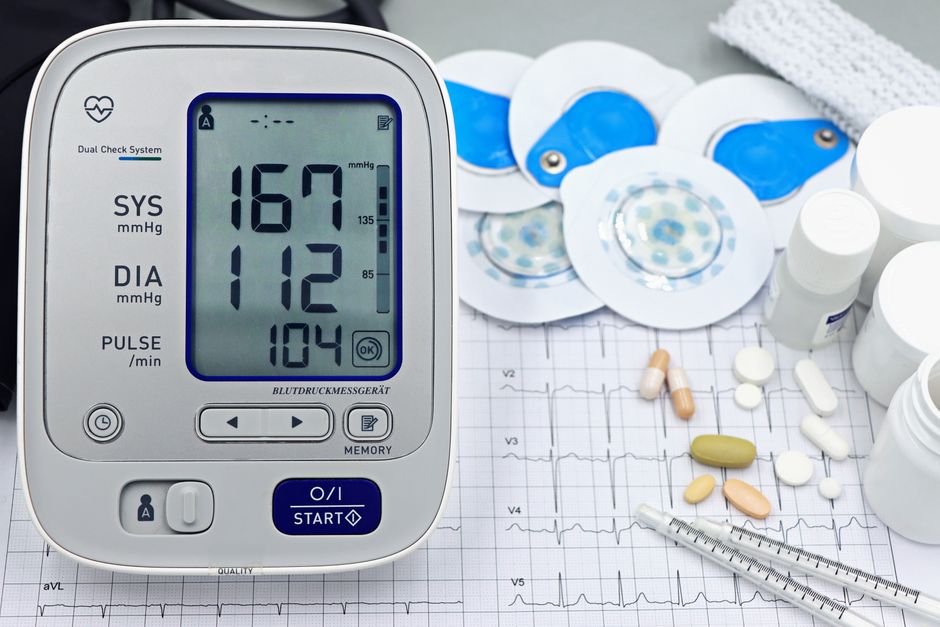
Low diastolic blood pressure can make you tired, but it is not the most common cause of fatigue. When the bottom number in your blood pressure reading drops too low, your heart may struggle to pump enough blood to your brain and muscles. That reduced blood flow can leave you feeling drained, lightheaded, or weak. However, most people with low diastolic pressure have no symptoms at all, and fatigue is far more often linked to sleep, stress, or other medical conditions.
What Does the Diastolic Number Mean?
Blood pressure readings have two numbers. The top number is systolic pressure. It measures the force in your arteries when your heart beats and pushes blood out. The bottom number is diastolic pressure. It measures the pressure in your arteries when your heart rests between beats.
Diastolic pressure matters because it reflects how well your coronary arteries fill with blood. These arteries supply oxygen to your heart muscle itself. If diastolic pressure drops too low, your heart may not get enough oxygen, especially during rest. That can cause chest discomfort, fatigue, or shortness of breath in some people.
A normal diastolic reading is usually between 60 and 80 mmHg. Most doctors consider diastolic pressure below 60 mmHg to be low. Readings below 50 mmHg are more concerning. But the “right” number depends on your age, your overall health, and what is normal for you.
Can Low Diastolic Pressure Cause Fatigue?
Yes, but with important limits. Research consistently shows that very low diastolic pressure can reduce blood flow to vital organs. When your brain does not get enough blood, you may feel tired, confused, or unable to concentrate. When your muscles get less blood, everyday tasks feel harder.
That said, most people with diastolic pressure in the 50s or low 60s feel perfectly fine. The body adapts. Many healthy young adults and athletes naturally run low blood pressure without any symptoms. For them, low diastolic pressure is a sign of fitness, not a problem.
Fatigue becomes more likely when diastolic pressure drops suddenly or falls below 50 mmHg. It also matters why the pressure is low. Some causes of low diastolic pressure are harmless. Others signal an underlying condition that needs treatment.
What Causes Low Diastolic Blood Pressure?
Several things can push diastolic pressure down. Some are temporary and harmless. Others require medical attention.
- Dehydration: Low fluid volume means less blood in your arteries, which lowers pressure.
- Medications: Blood pressure drugs, diuretics, and some antidepressants can lower diastolic pressure too much.
- Heart conditions: Weak heart muscle, valve problems, or a slow heart rate can reduce the pressure between beats.
- Blood loss: Internal bleeding or heavy blood loss drops blood volume quickly.
- Pregnancy: Blood pressure often falls in the first two trimesters.
- Endocrine disorders: Thyroid disease, adrenal insufficiency, and low blood sugar can all lower pressure.
- Nerve damage: Conditions like diabetes can damage the nerves that help regulate blood pressure.
- Age: Arteries stiffen with age. Some studies suggest this makes diastolic pressure fall naturally in older adults.
If your diastolic pressure is low but you feel fine, your doctor may simply monitor it. If you feel tired, dizzy, or faint, the low reading needs an explanation.

When Is Low Diastolic Pressure Dangerous?
Low diastolic pressure becomes dangerous when it causes symptoms or when it happens in specific groups of people. Fainting, falls, chest pain, and confusion are signs that blood flow to the brain or heart is inadequate. These symptoms deserve prompt medical evaluation.
Older adults deserve special attention. Research suggests that diastolic pressure below 60 mmHg may reduce blood flow to the heart in people over 60. Some studies have linked very low diastolic pressure to a higher risk of heart events in older adults who already have heart disease. The evidence is not definitive, but it is enough that doctors generally avoid pushing diastolic pressure too low when treating high blood pressure in older patients.
If you take blood pressure medication and your diastolic pressure drops below 60, talk to your doctor. The dose may need adjustment. Do not stop or change your medication on your own. Stopping blood pressure drugs suddenly can cause dangerous spikes in pressure.
How Do You Know If Low Diastolic Pressure Is Causing Your Fatigue?
You cannot tell from the number alone. The only reliable way to connect low diastolic pressure to fatigue is to look at the whole picture. Your doctor will ask about your symptoms, check your medications, and may run tests to look for underlying causes.
One important clue is whether your fatigue comes with other symptoms. Feeling tired plus dizzy when you stand up, having blurred vision, or fainting points more strongly to blood pressure as the cause. Fatigue alone, without any other symptoms, is less likely to be from low diastolic pressure.
Another clue is timing. Low blood pressure fatigue often hits when you change positions quickly or after standing for a long time. If your tiredness is constant and unrelated to position, other causes are more likely.
Your doctor may check your blood pressure lying down, sitting, and standing. This is called orthostatic blood pressure testing. A drop in pressure when you stand can explain fatigue, dizziness, or falls.
What Else Could Be Causing Your Fatigue?
Fatigue is one of the most common reasons people see a doctor. It has many causes, and blood pressure is only one possibility. Before assuming low diastolic pressure is the culprit, consider these common and often overlooked causes:
- Poor sleep: Sleep apnea and insomnia are leading causes of daytime fatigue.
- Anemia: Low iron or low red blood cells reduce oxygen delivery to tissues.
- Thyroid disease: An underactive thyroid slows metabolism and drains energy.
- Depression and anxiety: Mental health conditions frequently present as physical tiredness.
- Chronic infections: Conditions like Lyme disease or Epstein-Barr virus can cause long-lasting fatigue.
- Vitamin deficiencies: Low vitamin B12 or vitamin D can contribute to tiredness.
- Sedentary lifestyle: Inactivity weakens the cardiovascular system and worsens fatigue.
- Poor diet: Skipping meals or eating mostly processed food can cause energy crashes.
Your doctor can order simple blood tests to check for many of these. A complete blood count, thyroid panel, and vitamin levels can rule out common causes of fatigue quickly.
What Should You Do If You Have Low Diastolic Pressure and Fatigue?
Start by seeing your doctor. Bring a log of your blood pressure readings taken at different times of day. Note when your fatigue is worst and what makes it better or worse. This information helps your doctor connect the dots.
If dehydration is the cause, increasing fluids may help. Water is the best choice. If you have been standing for long periods, taking breaks to sit or move can reduce symptoms. Compression stockings can help some people by keeping blood from pooling in the legs.
If a medication is causing your low pressure, your doctor may adjust the dose or switch you to a different drug. Never make this change yourself. Some blood pressure medications must be tapered slowly to avoid rebound hypertension.
If no medical cause is found, focus on lifestyle factors that improve energy. Regular aerobic exercise strengthens the heart and improves blood flow. Eating regular meals prevents blood sugar dips. Prioritizing sleep and managing stress can make a significant difference in how tired you feel.
There are no clinical guidelines for treating low diastolic pressure with specific supplements or diets. Some doctors recommend increasing salt intake for low blood pressure, but this advice is not universal and can be harmful in people with heart or kidney disease. Ask your doctor before making any dietary changes.
Frequently Asked Questions
What diastolic number is too low?
Diastolic pressure below 60 mmHg is generally considered low. Readings below 50 mmHg are more concerning and should be evaluated by a doctor, especially if you have symptoms.
Can low blood pressure make you sleep all day?
Low blood pressure can cause extreme fatigue that makes you want to sleep, but it rarely causes sleeping all day on its own. If you are sleeping excessively, other causes like sleep apnea, depression, or thyroid disease are more likely.
Should I stop my blood pressure medication if my diastolic is low?
No. Never stop or change blood pressure medication without your doctor’s guidance. Sudden withdrawal can cause dangerous blood pressure spikes. Call your doctor to discuss the reading.
Is low diastolic pressure more dangerous than low systolic pressure?
Both matter, but low diastolic pressure gets special attention in older adults because it may reduce blood flow to the heart. Low systolic pressure is more commonly linked to fainting and falls in younger people.
