
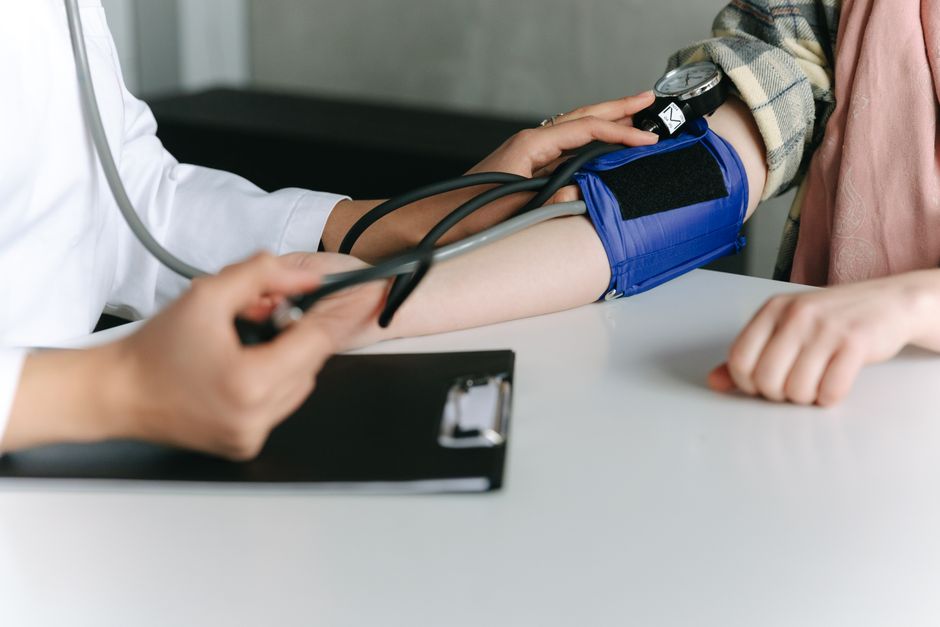
High blood pressure often has no symptoms, which is why it is called the silent killer. You can have it for years without knowing. The good news is that blood pressure responds well to daily habits. Most people can lower their numbers meaningfully with lifestyle changes alone, though medication is still essential for many. Here are nine proven ways to keep blood pressure low, backed by solid clinical evidence.
What Do the Blood Pressure Numbers Actually Mean?
Blood pressure is measured in millimeters of mercury, written as mmHg. The top number is systolic pressure — the force when your heart beats. The bottom number is diastolic pressure — the force when your heart rests between beats.
Normal blood pressure is below 120/80 mmHg. Elevated blood pressure is 120-129 systolic with diastolic below 80. Stage 1 hypertension starts at 130/80. Stage 2 hypertension is 140/90 or higher. A hypertensive crisis is anything above 180/120 and requires immediate medical attention.
These thresholds come from the American College of Cardiology and the American Heart Association guidelines. They apply to most adults. Your doctor may adjust targets based on your age, kidney function, or other conditions.
How To Keep Blood Pressure Low 9 Proven Ways
The following nine strategies have the strongest evidence behind them. They work through different mechanisms — some relax blood vessels, some reduce blood volume, some lower stress hormones. Combined, they can produce results comparable to a single blood pressure medication.
1. Cut Back on Sodium
Sodium makes your body hold onto fluid. More fluid means more volume in your blood vessels, which raises pressure. The average American consumes about 3,400 mg of sodium daily. The recommended limit is 2,300 mg, and the ideal target for people with high blood pressure is 1,500 mg.
Most sodium does not come from your salt shaker. It comes from processed foods, restaurant meals, canned soups, deli meats, and frozen dinners. Reading labels matters. A food with 400 mg of sodium per serving uses up nearly a third of a 1,500 mg daily budget.
Reducing sodium by about 1,000 mg per day can lower systolic blood pressure by roughly 5-6 mmHg in people with hypertension. That is a clinically meaningful change.
2. Follow the DASH Diet
The DASH diet — Dietary Approaches to Stop Hypertension — was developed specifically for blood pressure. Research consistently shows it lowers systolic pressure by 8-14 mmHg, often within two weeks.
The diet emphasizes fruits, vegetables, whole grains, lean protein, and low-fat dairy. It limits saturated fat, sugar, and red meat. A typical DASH day includes 4-5 servings of vegetables, 4-5 servings of fruit, and 6-8 servings of whole grains.
What makes DASH effective is not any single food. It is the pattern — high potassium, calcium, magnesium, and fiber, combined with low sodium and saturated fat. These nutrients help blood vessels relax and expand.
3. Increase Potassium Intake
Potassium counteracts sodium. It helps your kidneys excrete excess sodium and relaxes blood vessel walls. Most adults need about 3,500-5,000 mg of potassium daily, but most Americans get less than half of that.
Good sources include bananas, potatoes, sweet potatoes, spinach, beans, lentils, yogurt, and avocado. A medium baked potato with the skin has about 900 mg of potassium. A cup of cooked spinach has about 840 mg.
People with kidney disease should not increase potassium without medical supervision. Damaged kidneys may not clear potassium effectively, and dangerously high levels can affect heart rhythm.
4. Exercise Most Days of the Week
Regular physical activity strengthens your heart. A stronger heart pumps more blood with less effort, which reduces pressure on your arteries. Aerobic exercise — walking, cycling, swimming, jogging — is the most studied form.
The American Heart Association recommends at least 150 minutes of moderate-intensity aerobic activity per week, or 75 minutes of vigorous activity. That breaks down to about 30 minutes five days per week. Even 10-minute sessions count toward the total.
Exercise can lower systolic blood pressure by 5-8 mmHg. The effect lasts for up to 24 hours after a session, which is why consistency matters more than intensity. You do not need to run marathons. A brisk walk that raises your heart rate and makes you breathe harder is enough.
5. Maintain a Healthy Weight
Excess weight forces your heart to work harder. Every pound of fat requires blood supply, and that extra tissue creates more total blood volume. More volume means more pressure against artery walls.
Research shows that losing just 5-10% of body weight can lower systolic blood pressure by 5 mmHg or more. For a 200-pound person, that is 10-20 pounds. The effect is dose-dependent — more weight loss produces greater blood pressure reduction.
Weight loss also improves how well blood pressure medications work. Some people can reduce their medication dose after significant weight loss, though this should only happen under a doctor’s supervision.
6. Limit Alcohol
Alcohol raises blood pressure in several ways. It activates the sympathetic nervous system, increases heart rate, and can damage blood vessel walls over time. Heavy drinking — more than three drinks in one sitting — causes an immediate spike in blood pressure.
Moderate drinking is defined as up to one drink per day for women and up to two for men. One drink is 12 ounces of beer, 5 ounces of wine, or 1.5 ounces of distilled spirits. Some studies show that light drinking may not harm blood pressure, but the evidence is mixed and the protective effect, if any, is small.
If you drink more than this, cutting back can lower systolic pressure by about 4 mmHg. People who do not drink should not start for blood pressure benefits.
7. Quit Smoking and Avoid Secondhand Smoke
Every cigarette causes an immediate rise in blood pressure that lasts 15-30 minutes. Nicotine constricts blood vessels, and carbon monoxide reduces oxygen in your blood. Over time, smoking damages artery walls, making them stiff and less flexible.
Stiff arteries cannot expand to accommodate blood flow, so pressure stays high. Quitting smoking does not reverse all the damage, but blood pressure and heart rate begin improving within hours of the last cigarette.
The blood pressure benefit of quitting is modest compared to other risks smoking poses — lung cancer, heart attack, stroke, and COPD. But every system in your body improves after you quit. The reduction in cardiovascular risk is substantial within one to two years.
8. Manage Stress and Sleep Better
Chronic stress keeps your body in a state of high alert. Stress hormones like cortisol and adrenaline raise heart rate and constrict blood vessels. When stress is constant, blood pressure stays elevated.
Stress management techniques — deep breathing, meditation, progressive muscle relaxation — have modest but real effects on blood pressure. A regular practice of 10-15 minutes daily can lower systolic pressure by 5 mmHg in some studies.
Sleep matters just as much. Poor sleep — especially fewer than 6 hours per night — is linked to higher blood pressure. Sleep gives your cardiovascular system time to rest and your blood vessels time to relax. Untreated sleep apnea is a major cause of resistant hypertension.
9. Monitor Your Blood Pressure at Home
Home monitoring gives you data. You cannot manage what you do not measure. A home blood pressure monitor costs $30-60 and takes one minute to use. The American Heart Association recommends home monitoring for everyone with hypertension.
To get accurate readings, sit quietly for five minutes first. Place the cuff on a bare arm at heart level. Do not talk during the measurement. Take two readings one minute apart and record both. Check at the same time each day — morning and evening is ideal.
Home readings are often lower than office readings because you are more relaxed. This is called the white coat effect. Bring your home log to appointments. It gives your doctor a much better picture than a single office reading.
What About Supplements and Natural Remedies?
Several supplements are marketed for blood pressure — garlic extract, hibiscus tea, beetroot juice, coenzyme Q10, and omega-3 fatty acids. Some have preliminary evidence. None have the strength of evidence that lifestyle changes have.
Garlic extract and hibiscus tea show modest lowering effects in some small studies. Beetroot juice contains nitrates that relax blood vessels, and some research supports it. But these effects are typically 2-4 mmHg — smaller than diet, exercise, or sodium reduction.
The bigger concern is safety. Supplements are not regulated like medications. They can interact with blood pressure drugs. For example, taking garlic extract with blood thinners increases bleeding risk. Always tell your doctor about every supplement you take.


When Is Medication Necessary?
Lifestyle changes are the foundation, but they are not always enough. People with stage 2 hypertension — 140/90 or higher — usually need medication from the start. People with stage 1 hypertension and high cardiovascular risk may also need medication immediately.
Medication is not a failure. It is a tool. Many people need two or three medications to reach their target. The goal is to keep blood pressure below 130/80 for most adults, and below 140/90 for adults over 65 with certain health conditions.
Even when you take medication, lifestyle changes still matter. They can reduce the dose you need and protect your organs in ways medication alone cannot. The combination of lifestyle changes plus medication is more effective than either alone.
How Long Does It Take To See Results?
Some changes work fast. Reducing sodium can lower blood pressure within days. The DASH diet shows measurable effects within two weeks. Exercise lowers blood pressure immediately after a session, and the cumulative effect builds over 1-3 months.
Weight loss takes longer. A 5-10% weight loss typically requires 3-6 months of consistent effort. The blood pressure benefit follows the weight loss, so expect results on that timeline.
The most important factor is consistency. Blood pressure responds to what you do most days, not what you do occasionally. A perfect week followed by three bad weeks produces no lasting change.
Frequently Asked Questions
What is the fastest way to lower blood pressure?
Cutting sodium and following the DASH diet produce measurable changes within days to two weeks. Exercise lowers blood pressure within hours of a session.
Can I stop taking blood pressure medication once my numbers improve?
Never stop medication without your doctor’s guidance. Some people can reduce or stop medication after sustained weight loss or major lifestyle changes, but this must be managed by a physician.
Is 130/80 considered high blood pressure?
Yes. Under current guidelines, 130/80 is stage 1 hypertension. It requires lifestyle changes and often medication if your overall cardiovascular risk is elevated.
Does drinking more water lower blood pressure?
Water alone does not directly lower blood pressure in people who are adequately hydrated. Dehydration can cause low blood pressure, but chronic hypertension is not treated with extra water.
