
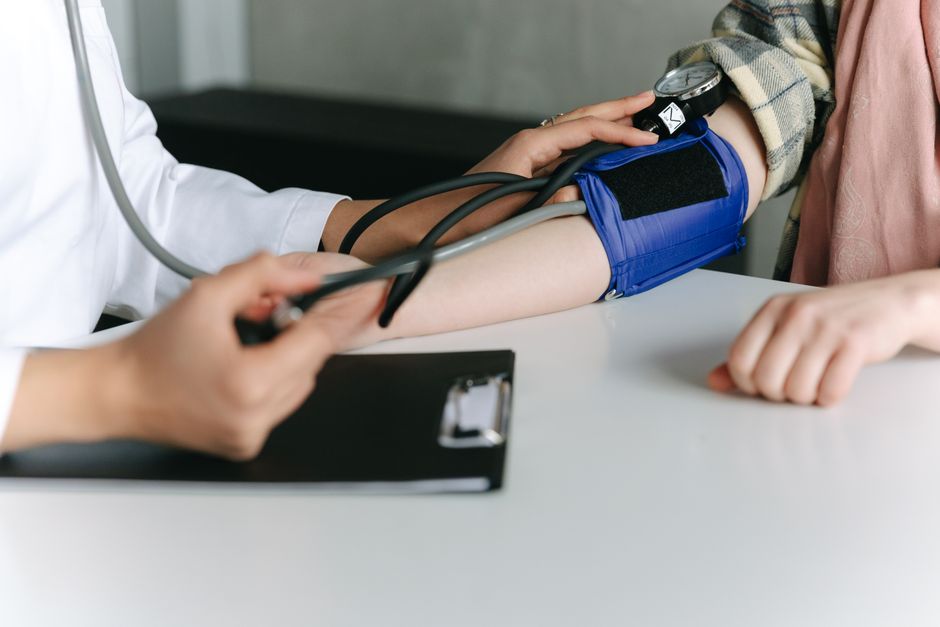
High blood pressure usually does not cause tiredness or fatigue by itself. Most people with high blood pressure feel completely normal, which is why it is often called a “silent” condition. However, fatigue can become a real issue when blood pressure is extremely high, when it damages organs over time, or when the medications used to treat it cause drowsiness as a side effect.
Can High Blood Pressure Directly Make You Tired?
In most cases, no. Mild to moderate high blood pressure does not directly drain your energy. Your body adapts to the higher pressure in your arteries, and you rarely feel any different.
Fatigue becomes possible when blood pressure reaches dangerously high levels, often above 180/120 mmHg. At this point, the heart works harder than normal to pump blood against high resistance. That extra workload can leave you feeling exhausted, short of breath, or generally unwell. This is a medical emergency and requires immediate attention.
Long-standing untreated high blood pressure can also damage the heart over years. When the heart weakens from working too hard, a condition called heart failure develops. Fatigue is a hallmark symptom of heart failure because the body’s tissues are not receiving enough oxygen-rich blood.
Why Blood Pressure Medications Can Cause Fatigue
Medication side effects are a far more common cause of tiredness than the blood pressure itself. Several classes of blood pressure drugs are known to cause fatigue in some people.
Beta-blockers are the most likely to cause tiredness. They slow the heart rate and reduce how forcefully the heart pumps. This effect can leave some people feeling sluggish, especially in the first few weeks of treatment. Some research suggests beta-blockers can also interfere with sleep quality, which adds to daytime fatigue.
Diuretics, often called water pills, can cause fatigue through a different route. They flush excess fluid from the body, but they also flush out potassium. Low potassium levels can cause muscle weakness, cramping, and a general feeling of being drained.
Other blood pressure medications can cause fatigue less frequently. If you started a new medication and noticed tiredness shortly after, talk to your doctor. A dose adjustment or a switch to a different drug class often resolves the problem.
The Link Between High Blood Pressure and Sleep Problems
High blood pressure and poor sleep are closely connected, and poor sleep is a major cause of daytime tiredness.
Obstructive sleep apnea is a condition where breathing repeatedly stops and starts during sleep. It is strongly associated with high blood pressure. Each pause in breathing triggers a stress response that spikes blood pressure through the night. People with sleep apnea rarely get restorative sleep, so they wake up tired even after a full night in bed.
High blood pressure can also contribute to nocturia, the need to wake up multiple times at night to urinate. This is especially true for people taking diuretics. Frequent nighttime waking fragments sleep and leads to daytime exhaustion.
If you snore loudly, wake up gasping, or feel unrefreshed after sleep, mention this to your doctor. Treating sleep apnea with a CPAP machine can lower blood pressure and dramatically improve energy levels.



When Fatigue Points to Organ Damage
Untreated high blood pressure damages blood vessels throughout the body. Over time, this damage affects organs, and organ damage can cause fatigue.
The kidneys are especially vulnerable. High blood pressure is a leading cause of chronic kidney disease. When kidney function declines, waste products build up in the blood. This buildup, called uremia, causes profound fatigue, weakness, and difficulty concentrating.
High blood pressure also damages the heart muscle itself. The heart must pump harder against elevated pressure, and the muscle thickens in response. A thickened heart muscle is less efficient and eventually struggles to meet the body’s demands. Reduced cardiac output means less oxygen reaches your muscles and brain, which translates directly into tiredness.
Fatigue caused by organ damage develops gradually. It is not a sudden symptom. If you have had high blood pressure for years without treatment, and you now feel constantly tired, this warrants a full medical evaluation.
Other Causes of Fatigue to Consider
Fatigue is a nonspecific symptom with hundreds of possible causes. Even if you have high blood pressure, your tiredness may have nothing to do with it.
Common culprits include:
- Anemia, especially iron deficiency
- Underactive thyroid (hypothyroidism)
- Depression or chronic stress
- Poor sleep habits or insomnia
- Sedentary lifestyle and deconditioning
- Dietary deficiencies, particularly vitamin B12 or vitamin D
Your doctor can run basic blood tests to check for these conditions. Thyroid function, complete blood count, and iron studies are simple tests that rule out many common causes of fatigue.
Do not assume your blood pressure is the cause of your tiredness. Getting an accurate diagnosis matters because the treatments are completely different for each condition.
What to Do If You Feel Tired with High Blood Pressure
Start by checking your blood pressure at home. Take it at the same time each day, sitting quietly for five minutes first. If your readings are consistently above 180/120 mmHg, seek emergency care immediately.
If your readings are in a normal or mildly elevated range, review your medication timing with your doctor. Some people find that taking certain blood pressure medications at bedtime instead of in the morning reduces daytime drowsiness. This is a decision to make with your clinician, not on your own.
Track your symptoms. Note when fatigue hits, how long it lasts, and whether anything makes it better or worse. This information helps your doctor identify patterns that point to a specific cause.
Do not stop taking your blood pressure medication because you feel tired. Stopping suddenly can cause blood pressure to spike dangerously. Always discuss side effects with your doctor first.
Lifestyle Changes That May Improve Energy
Regular physical activity is one of the most effective ways to lower blood pressure and boost energy. Even moderate walking for 30 minutes most days of the week can make a measurable difference. Start slowly if you are not currently active.
Dietary changes also matter. The DASH diet, which emphasizes fruits, vegetables, whole grains, and low-fat dairy while limiting sodium, has been shown to lower blood pressure. Reducing salt intake to under 2,300 milligrams per day is a common target, though many guidelines suggest aiming lower.
Improving sleep hygiene can help both blood pressure and fatigue. Keep a consistent sleep schedule, avoid caffeine in the afternoon, and limit screen time before bed. These habits do not treat high blood pressure directly, but they support overall cardiovascular health and reduce daytime tiredness.
Weight loss, if you carry excess weight, can lower blood pressure and improve sleep quality simultaneously. Even a modest weight loss of 5 to 10 percent of body weight can produce meaningful improvements in both blood pressure and energy levels.
When to See a Doctor
Make an appointment if fatigue lasts more than two weeks without a clear explanation. Bring a log of your blood pressure readings and a description of your symptoms.
Seek emergency care immediately if fatigue is accompanied by chest pain, shortness of breath, confusion, severe headache, or vision changes. These symptoms can indicate a hypertensive crisis or organ damage that requires urgent treatment.
Fatigue combined with blood pressure readings above 180/120 mmHg is not something to manage at home. This combination suggests your heart or other organs may be struggling under the pressure load.
Frequently Asked Questions
Can high blood pressure make you feel weak and tired?
Yes, but usually only when blood pressure is extremely high or has caused organ damage over time. Routine mild to moderate high blood pressure typically does not cause weakness or fatigue.
Does tiredness mean my blood pressure is dangerously high?
Not necessarily. Tiredness has many causes, and most people with high blood pressure feel normal. However, sudden severe fatigue with a reading above 180/120 mmHg warrants emergency medical care.
Why do blood pressure medications make me sleepy?
Beta-blockers and some other blood pressure drugs can cause drowsiness as a side effect. Diuretics can cause fatigue by lowering potassium levels. Talk to your doctor about adjusting your dose or switching medications.
How can I tell if my fatigue is from blood pressure or something else?
You cannot tell on your own. Blood tests for anemia, thyroid function, and kidney function can identify other causes. A doctor can help you determine whether your blood pressure, your medication, or an unrelated condition is causing your tiredness.
