
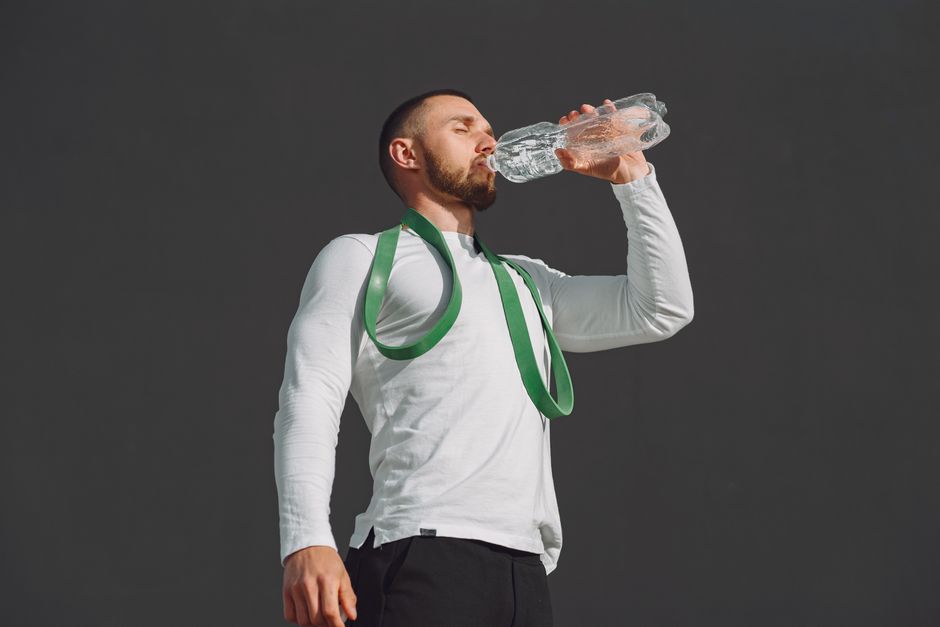
Yes, dehydration can increase blood pressure in some situations. When your body loses more fluid than it takes in, your blood volume drops. Your blood becomes thicker and your blood vessels constrict to maintain blood flow to vital organs. This combination can push your blood pressure numbers up. The effect is usually temporary, but for some people it can be significant enough to matter for their health.
How Does Dehydration Affect Blood Pressure?
Your body is roughly 60% water. Blood plasma, the liquid part of your blood, is about 90% water. When you are dehydrated, you lose plasma volume. With less fluid in your bloodstream, your heart has to work harder to pump the same amount of blood through your body.
Your body responds by releasing hormones that narrow your blood vessels. This is a survival mechanism. It keeps blood flowing to your brain and other vital organs even when fluid is low. But narrowed blood vessels mean more resistance. More resistance means higher blood pressure.
The effect can be rapid. Even mild dehydration, losing as little as 1-2% of your body weight in water, can affect how your cardiovascular system behaves. Some research suggests this level of fluid loss can reduce blood flow and make blood vessels less flexible.
Can Dehydration Cause Low Blood Pressure Instead?
Dehydration can also cause low blood pressure, which makes this topic confusing. The direction of the effect depends on how severe the fluid loss is and how your body responds.
Mild to moderate dehydration often triggers blood vessel constriction, which raises blood pressure. But severe dehydration can overwhelm this response. When blood volume drops too low, your body cannot compensate. Blood pressure falls, sometimes dangerously.
This is why symptoms of dehydration often include both dizziness from low blood pressure and a rapid heartbeat from the body trying to compensate. Orthostatic hypotension, a sudden drop in blood pressure when standing up, is a common sign of significant dehydration.
What Blood Pressure Reading Indicates a Problem?
Normal blood pressure is below 120/80 mmHg. High blood pressure, or hypertension, is diagnosed when readings consistently reach 130/80 mmHg or higher. A single high reading from dehydration does not mean you have hypertension.
But repeated dehydration can create patterns of elevated readings. If you are checking your blood pressure at home while dehydrated, you may get a number that looks concerning. This does not necessarily reflect your typical blood pressure when well-hydrated.
If dehydration raises your systolic pressure by 10-20 mmHg, that can push a normal reading into the elevated or hypertensive range. For someone already managing high blood pressure, this temporary increase could be more meaningful.


Who Is Most at Risk for Blood Pressure Changes From Dehydration?
Older adults are more vulnerable. As you age, your sense of thirst becomes less reliable. Your kidneys also become less efficient at conserving water. This combination means older adults can become dehydrated without realizing it.
People taking certain medications are also at higher risk. Diuretics, sometimes called water pills, are commonly prescribed for high blood pressure. They increase urine output, which can lead to dehydration if fluid intake does not keep up.
Other medications that can contribute include ACE inhibitors, angiotensin receptor blockers, and some blood pressure medications that affect kidney function. If you take any of these, dehydration can change how your body responds to your medication.
What Are the Signs You Might Be Dehydrated?
Thirst is an obvious signal, but it is not always reliable. By the time you feel thirsty, you may already be mildly dehydrated. Other signs include dark yellow urine, dry mouth, fatigue, dizziness, and headache.
Your urine color is a practical daily indicator. Pale yellow or clear urine generally suggests adequate hydration. Dark yellow or amber urine suggests you need more fluids. This is not a perfect measure, but it is useful for most healthy people.
One non-obvious sign is a rapid heart rate. If your pulse is noticeably faster than usual and you have not been exercising, dehydration may be the cause. Your heart speeds up to maintain blood flow with reduced blood volume.
How Much Water Do You Actually Need?
There is no single number that works for everyone. The National Academies of Sciences, Engineering, and Medicine provides general guidance. They recommend about 15.5 cups (3.7 liters) of fluids per day for men and about 11.5 cups (2.7 liters) for women.
These recommendations cover all fluids, not just water. Coffee, tea, milk, and foods with high water content all count. Fruits and vegetables like watermelon, cucumber, and oranges contribute meaningful amounts of fluid to your daily intake.
Your needs increase with heat, exercise, fever, vomiting, or diarrhea. If you are sweating heavily, you need more than the baseline recommendation. If you have certain medical conditions like kidney disease or heart failure, your fluid needs may be different. Your doctor can give you specific guidance.
Can Drinking More Water Lower Blood Pressure?
For someone who is dehydrated, rehydration can bring blood pressure back to normal. If dehydration was the cause of an elevated reading, drinking water should help correct it. This is not the same as treating chronic high blood pressure.
For people with consistently normal blood pressure, drinking extra water beyond what your body needs does not lower blood pressure further. The body maintains tight control over fluid balance. Excess water is excreted as urine.
Some research has looked at whether increased water intake can help manage blood pressure in people with hypertension. Results are mixed. Some studies suggest modest benefits, particularly in younger adults. Other studies show little effect. The evidence does not support water as a primary treatment for high blood pressure.
What Else Can Cause a Sudden Blood Pressure Spike?
Dehydration is one possible cause, but not the only one. Stress and anxiety can temporarily raise blood pressure. Caffeine can cause a short-term increase. So can smoking, pain, or even a full bladder.
If you get a high reading, it is worth checking again after you have rested and rehydrated. Blood pressure naturally fluctuates throughout the day. A single reading is not a diagnosis. Consistent patterns matter more than any one measurement.
If you regularly see high readings, see a doctor. Do not assume dehydration is the cause. Chronic high blood pressure often has no symptoms and requires proper evaluation and management.
How to Prevent Dehydration-Related Blood Pressure Changes
Drink fluids throughout the day rather than waiting until you feel thirsty. Keep water accessible and sip regularly. This is especially important in hot weather, during exercise, and when you are sick with fever or digestive issues.
Pay attention to situations that increase fluid loss. Alcohol is a diuretic and can contribute to dehydration. High-sodium meals can also affect your fluid balance. Balance these with extra water intake.
If you have a medical condition or take medications that affect fluid balance, talk to your doctor about your specific hydration needs. Do not assume general guidelines apply to your situation.
Frequently Asked Questions
Can dehydration cause a spike in blood pressure?
Yes, dehydration can cause a temporary increase in blood pressure. Reduced blood volume triggers blood vessel constriction, which raises pressure until you rehydrate.
How long does it take for water to lower blood pressure from dehydration?
Drinking water can begin to affect blood pressure within 30 minutes to a few hours. The exact timing depends on how dehydrated you are and how quickly your body absorbs the fluid.
Can drinking more water help treat high blood pressure?
For dehydration-related elevations, rehydration helps. For chronic high blood pressure, the evidence for water as a treatment is limited, and it should not replace prescribed medications.
What is the fastest way to rehydrate?
Plain water is sufficient for most mild dehydration. Oral rehydration solutions containing electrolytes can be helpful after heavy sweating or illness with vomiting or diarrhea.
