

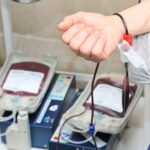
You glance down after a small cut and see blood that looks almost black, like dark cherry juice or used motor oil. It can be startling. But in most cases, the color of your blood is tied to simple biology, not a hidden illness. Blood gets its red color from hemoglobin, an iron-rich protein inside red blood cells. When hemoglobin carries oxygen, it reflects light in a way that looks bright red. When it has released that oxygen to your tissues, it becomes darker and takes on a deep, maroon, almost burgundy tone. This is why venous blood — the blood returning to your heart — is naturally darker than arterial blood. If you have ever had blood drawn at a lab, you have seen this dark color firsthand. It is normal, expected, and usually nothing to worry about.
What Makes Blood Look Dark Red or Almost Black?
The short answer is oxygen. Blood that is full of oxygen is bright red. Blood that has delivered its oxygen to organs and muscles is darker. This darker blood travels through your veins back to the lungs to pick up more oxygen. The difference in color is a normal part of how your circulatory system works.
Think of it like a delivery truck. The truck leaves the warehouse loaded with packages. It looks full and bright. After it drops off the packages, it looks emptier and duller on the return trip. Your red blood cells do the same thing. They carry oxygen to your tissues, drop it off, and then travel back looking darker because the oxygen is gone.
So if you see dark blood from a minor cut or a blood draw, it usually just means you are looking at venous blood. It has already done its job. There is no medical problem in this situation.
Why Your Blood So Dark: The Role of Hemoglobin
Hemoglobin is the protein inside red blood cells that carries oxygen. It contains iron, which is what actually binds to oxygen. When iron binds to oxygen, it changes shape slightly. This change affects how light bounces off the blood. Oxygenated hemoglobin reflects more red light, making it look bright scarlet. Deoxygenated hemoglobin absorbs more light, making it look darker and more purple or maroon.
This is the same reason your veins look blue or green through your skin. The skin scatters light, and the dark deoxygenated blood underneath absorbs certain wavelengths. The blood itself is not blue. It is dark red. The blue appearance is an optical illusion created by your skin and the way light penetrates it.
Understanding this basic mechanism helps explain why blood color varies. It is not a sign of toxicity or “dirty” blood. It is simply a measure of how much oxygen the hemoglobin is currently carrying.
Medical Conditions That Can Darken Blood Color
While dark blood is usually normal, certain medical conditions can change blood color in noticeable ways. These are less common, but they are worth knowing about.
Methemoglobinemia is a rare condition where hemoglobin is altered so it cannot release oxygen properly to tissues. Blood in this condition can look chocolate brown or dark brown. It is caused by certain medications, chemical exposures, or genetic factors. It is a serious condition that requires medical attention.
Sulfhemoglobinemia is another rare condition where a sulfur atom attaches to hemoglobin. This makes blood appear greenish or dark. It can be triggered by certain medications, especially some antibiotics. It is also rare and serious.
Neither of these conditions is something you would typically notice from a small cut. They are usually detected by doctors through blood tests when a patient presents with other symptoms like headache, confusion, or shortness of breath. If you have no symptoms, dark blood is almost certainly just normal venous blood.


When Dark Blood Might Signal a Problem
Dark blood during a blood draw is not a problem. Dark blood from a minor wound is not a problem. But there are situations where blood color or consistency deserves attention.
If you notice dark blood in your stool, it can indicate bleeding in your digestive tract. Black, tarry stool is a classic sign of upper gastrointestinal bleeding. This is different from bright red blood in stool, which usually signals bleeding lower in the tract. Both require medical evaluation.
Dark brown or black vomit can look like coffee grounds. This is a sign of bleeding in the stomach. It requires urgent medical care.
Heavy menstrual blood that is very dark, almost black, can simply be older blood leaving the body at the end of a period. This is common and normal. However, if it is accompanied by severe pain, large clots, or a change in your usual pattern, talk to your doctor.
The key distinction is where the blood is coming from. Blood from a vein or a small cut that looks dark is normal. Blood from your digestive tract that looks dark can be a warning sign.
Does Dark Blood Mean Low Oxygen?
Not necessarily. Dark blood does mean the hemoglobin is carrying less oxygen. But your body constantly adjusts to maintain adequate oxygen delivery. A single blood draw showing dark blood does not mean your oxygen levels are dangerously low.
Your body measures oxygen levels in the arteries, not the veins. The bright red blood in your arteries is what delivers oxygen to your brain and organs. Venous blood is always darker because it has already offloaded oxygen. This is true even in healthy people with perfect lung function.
If your overall oxygen levels were dangerously low, you would have symptoms. Shortness of breath, confusion, bluish lips or fingertips, and dizziness are signs of low blood oxygen. Dark venous blood alone is not one of these signs.
Pulse oximeters measure oxygen saturation in your arteries. If your reading is normal, usually 95 to 100 percent at sea level, your oxygen status is fine regardless of how dark your venous blood looks.
Dehydration and Blood Color
Dehydration does not change the color of your blood. It changes the volume of your blood. When you are dehydrated, your blood plasma volume decreases. This makes your blood more concentrated, but the hemoglobin still behaves the same way. Oxygenated blood remains bright red. Deoxygenated blood remains dark.
Some people believe dark blood means they need to drink more water. This is a myth. Your blood does not become “thicker” in a way that changes its color. It may become more viscous, but the red color is determined by oxygen binding, not water content.
If you are concerned about hydration, look at other signs. Dark urine, dry mouth, headache, and fatigue are better indicators of dehydration than blood color.
What Blood Tests Actually Measure
When a doctor orders blood tests, the color of your blood is not part of the analysis. Lab tests measure specific components like hemoglobin levels, white blood cell counts, cholesterol, and blood sugar. These tests use chemical reactions and machines. They do not rely on visual color assessment.
Your hemoglobin level is measured in grams per deciliter. Normal ranges are roughly 13 to 17 for men and 12 to 15.5 for women, though labs vary slightly. This number tells doctors about your blood’s oxygen-carrying capacity. It has nothing to do with how dark the blood appears.
So if a phlebotomist comments that your blood looks dark, it is an observation, not a diagnosis. It does not affect your test results. It does not indicate illness.
Frequently Asked Questions
Is dark blood a sign of poor health?
No. Dark blood from a vein or minor cut is normal deoxygenated blood returning to the heart. It only becomes a concern when it appears in stool or vomit, which may indicate internal bleeding.
Why is my blood almost black when drawn?
Blood drawn from a vein has already delivered its oxygen to your tissues, so it appears dark maroon or nearly black. This is the normal appearance of venous blood and is not a cause for concern.
Does drinking water make your blood lighter?
No. Water affects blood volume, not color. Blood color is determined by how much oxygen hemoglobin is carrying, not by hydration status.
What does bright red blood mean?
Bright red blood usually means it is freshly oxygenated arterial blood. It can also indicate active bleeding closer to the surface of the body, such as from a superficial cut or lower gastrointestinal bleeding.
