
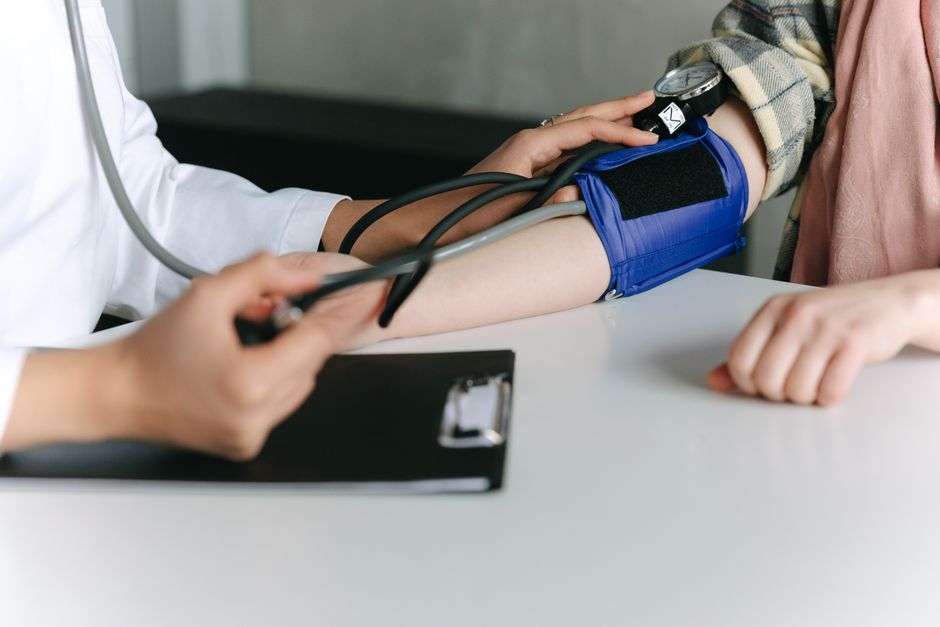
High blood sugar, also called hyperglycemia, is when your blood glucose level goes above 130 mg/dL before a meal or above 180 mg/dL two hours after a meal. For a person without diabetes, a normal fasting blood sugar is under 100 mg/dL, and a random reading under 140 mg/dL is considered normal. When blood sugar stays high for too long, it can damage blood vessels, nerves, and organs over time.
What Is Considered Normal Blood Sugar vs. High Blood Sugar?
Doctors use specific numbers to define high blood sugar. The American Diabetes Association sets these thresholds. For most adults, a fasting blood sugar between 100 and 125 mg/dL is called prediabetes. A fasting level of 126 mg/dL or higher on two separate tests means diabetes.
After eating, blood sugar naturally rises. In someone without diabetes, it usually stays below 140 mg/dL. In someone with diabetes, a reading above 180 mg/dL two hours after a meal is considered high. Consistently high readings above 200 mg/dL at any time of day warrant a call to your doctor.
Here is a simple breakdown of what the numbers mean:
| Measurement Type | Normal Range | Prediabetes Range | Diabetes Range |
|---|---|---|---|
| Fasting (no food for 8 hours) | Below 100 mg/dL | 100 – 125 mg/dL | 126 mg/dL or higher |
| 2 hours after a meal | Below 140 mg/dL | 140 – 199 mg/dL | 200 mg/dL or higher |
| Random test (any time) | Below 140 mg/dL | 140 – 199 mg/dL | 200 mg/dL or higher |
These numbers are based on guidelines from the American Diabetes Association. Your personal target may differ if you are pregnant, older, or have other health conditions. Always follow your doctor’s specific advice.
What Causes Blood Sugar to Spike?
Several things can push blood sugar into the high range. The most common cause is eating too many carbohydrates, especially simple sugars and refined starches. Your body breaks these down into glucose quickly, and if your insulin cannot keep up, levels rise.
Stress is another major trigger. When you are stressed, your body releases hormones like cortisol and adrenaline. These hormones tell your liver to release stored glucose for energy. This is helpful in a real emergency but problematic if stress is constant.
Illness or infection can also raise blood sugar. The immune system releases chemicals that make cells less responsive to insulin. Even a common cold can cause higher readings. The CDC notes that sick days often require adjustments to diabetes medication.
Certain medications are known to raise blood sugar. Steroids like prednisone, some diuretics, and some antidepressants can cause spikes. If you notice high readings after starting a new drug, talk to your doctor rather than stopping it on your own.
What Are the Symptoms of High Blood Sugar?
High blood sugar does not always cause obvious symptoms right away. Many people feel nothing until levels are quite high. This is why regular monitoring matters.
When symptoms do appear, the most common ones include:
- Frequent urination, especially at night
- Increased thirst that is hard to quench
- Blurry vision that comes and goes
- Fatigue that feels deeper than normal tiredness
- Headaches that do not respond to usual remedies
- Slow healing of cuts or bruises
If your blood sugar reaches 250 mg/dL or higher, you may also feel nausea, shortness of breath, or confusion. These can be signs of diabetic ketoacidosis, a medical emergency. The American Diabetes Association warns that this condition requires immediate medical attention.





How Is High Blood Sugar Diagnosed and Monitored?
Doctors use several tests to diagnose high blood sugar. The fasting plasma glucose test is the most common. You fast for eight hours, and a lab measures your blood sugar. The A1C test gives a three-month average. A normal A1C is below 5.7%. Prediabetes is 5.7% to 6.4%. Diabetes is 6.5% or higher.
An oral glucose tolerance test is sometimes used, especially during pregnancy. You drink a sugary liquid, and your blood is tested at intervals. This test checks how well your body handles a large sugar load.
At home, people with diabetes use a glucose meter or a continuous glucose monitor. A meter uses a drop of blood from a finger prick. A CGM uses a sensor under the skin that reads glucose every few minutes. Both tools help you see patterns and adjust food or medication.
Research published in JAMA found that CGM use improves A1C levels more than finger-stick testing alone in people with type 2 diabetes. But meters remain accurate and affordable for most people.
What Actually Lowers High Blood Sugar?
Physical activity is one of the fastest ways to bring blood sugar down. When your muscles work, they pull glucose from your blood for energy. A 15-minute walk after a meal can lower your post-meal spike by 20 to 30 mg/dL in many people.
Drinking water helps your kidneys flush out excess glucose through urine. Dehydration makes blood sugar more concentrated, so staying hydrated keeps readings more accurate and lower.
Insulin is the most effective medication for lowering high blood sugar quickly. If you have type 1 diabetes, you need insulin to survive. If you have type 2 diabetes, your doctor may prescribe insulin for short-term control or long-term management. Oral medications like metformin work more slowly by reducing glucose production in the liver.
Some people report that apple cider vinegar or cinnamon lowers blood sugar. Evidence is mixed. A small study in the Journal of Diabetes Research found that vinegar before a meal reduced post-meal glucose by about 20 mg/dL. But strong evidence for cinnamon is limited. These are not replacements for medical treatment.
What Are the Long-Term Risks of Uncontrolled High Blood Sugar?
Chronic high blood sugar damages blood vessels throughout the body. The small vessels in your eyes, kidneys, and nerves are most vulnerable. Diabetic retinopathy is a leading cause of blindness in adults. The National Eye Institute reports that controlling blood sugar reduces the risk of eye damage by 76%.
Kidney disease is another serious risk. High blood sugar forces the kidneys to work harder to filter blood. Over years, this can lead to kidney failure requiring dialysis. Research shows that keeping A1C below 7% significantly slows kidney damage.
Nerve damage, or neuropathy, causes pain, tingling, and numbness in the hands and feet. It can also affect digestion and heart rate. The CDC estimates that half of people with diabetes have some form of nerve damage.
Heart disease risk also rises with high blood sugar. The American Heart Association states that adults with diabetes are two to four times more likely to die from heart disease than those without diabetes. This is because high glucose damages artery walls and promotes plaque buildup.
Common Misconceptions About High Blood Sugar
One widespread myth is that only people with diabetes need to worry about high blood sugar. This is not true. Anyone can experience temporary spikes after a large meal or during illness. Prediabetes affects about 96 million adults in the United States according to the CDC. Most do not know they have it.
Another myth is that eating sugar directly causes diabetes. Eating too much sugar can lead to weight gain, which increases diabetes risk. But sugar alone does not cause type 1 diabetes, and it is only one factor in type 2. Genetics, activity level, and overall diet matter more.
Some people believe that high blood sugar always causes symptoms. Many people with prediabetes or early diabetes have no symptoms at all. This is why routine blood tests are important, especially if you have risk factors like family history, being overweight, or being over 45.
A third myth is that once blood sugar is high, it stays high forever. This is not accurate. With lifestyle changes, medication, and monitoring, many people bring their blood sugar back into a healthy range. Prediabetes can even reverse in some cases.
Frequently Asked Questions
What is considered a dangerously high blood sugar level?
A blood sugar reading above 250 mg/dL is considered dangerously high and requires attention. Levels above 600 mg/dL can lead to a diabetic coma and are a medical emergency.
Can high blood sugar go back to normal without medication?
Some people can lower blood sugar through diet, exercise, and weight loss alone. This is most effective in the prediabetes or early diabetes stages before insulin production declines significantly.
How long does it take for blood sugar to go down after eating?
In a person without diabetes, blood sugar returns to normal within two hours after eating. In someone with diabetes, it may take three to four hours or longer depending on the meal and medication.
What should I eat to lower high blood sugar quickly?
Foods high in fiber like vegetables and beans can help stabilize blood sugar. Protein and healthy fats do not raise blood sugar and can prevent spikes. Sugary drinks and refined carbs should be avoided when levels are high.
