
Blood plasma is the liquid part of your blood, making up about 55% of its total volume. It is mostly water, but it carries proteins, nutrients, hormones, and waste products throughout your body. Its main job is to transport these materials to where they are needed, help maintain blood pressure, and support your immune system and blood clotting.
What Is Blood Plasma Made Of?
Plasma is about 92% water. The other 8% matters a lot. That small portion contains proteins, electrolytes, nutrients, gases, and waste products.
The three main proteins in plasma are albumin, globulins, and fibrinogen. Albumin keeps fluid from leaking out of your blood vessels. Globulins help fight infections. Fibrinogen is essential for blood clotting. These proteins are made mostly in your liver.
Plasma also carries electrolytes like sodium, potassium, and calcium. These minerals help your nerves and muscles work properly. Without them, your heart would not beat correctly, and your brain could not send signals to your body.
How Does Blood Plasma Transport Things Through Your Body?
Think of plasma as a delivery system. It picks up oxygen from your lungs and nutrients from your digestive system. Then it carries these to every cell in your body. It also collects waste products like carbon dioxide and brings them to your lungs or kidneys for removal.
Hormones travel through plasma too. Insulin, thyroid hormones, and stress hormones all float in plasma until they reach their target organs. This is how your body communicates between different parts of itself.
Plasma also carries medications. When you take a pill, the active ingredients dissolve and enter your bloodstream through plasma. That is how aspirin reaches a headache or how antibiotics fight an infection in your toe.
Does Blood Plasma Help Your Immune System?
Yes, plasma plays a major role in immunity. It contains antibodies, which are proteins your immune system makes to fight bacteria and viruses. These antibodies float in plasma and travel to infection sites.
Plasma also contains complement proteins. These proteins work with antibodies to destroy invading germs. They punch holes in bacterial cell walls and mark infected cells for destruction by white blood cells.
This is why plasma transfusions can help people with weakened immune systems. When someone cannot make enough antibodies, donated plasma gives them temporary protection. Research shows this approach helped some patients during the COVID-19 pandemic, though results were mixed and depended on timing and antibody levels in the donated plasma.





What Role Does Plasma Play in Blood Clotting?
When you get a cut, plasma proteins spring into action. Fibrinogen converts into fibrin, which forms a mesh over the wound. Platelets get trapped in this mesh, creating a clot that stops bleeding.
Without plasma proteins, even a small cut could be dangerous. People with hemophilia lack specific clotting factors in their plasma. A minor injury can cause prolonged bleeding for them. Treatment often involves infusing the missing clotting factors, which are derived from donated plasma.
Plasma also contains proteins that prevent clots from growing too large. This balance between clotting and anti-clotting is delicate. Too much clotting causes strokes and heart attacks. Too little causes uncontrolled bleeding. Plasma keeps this balance in check.
How Does Plasma Maintain Blood Pressure and Body Temperature?
Plasma volume directly affects your blood pressure. When you are dehydrated, plasma volume drops, and so does your blood pressure. That is why you might feel dizzy or lightheaded if you have not had enough water.
The protein albumin helps here too. It pulls water into your blood vessels through osmosis. This keeps enough fluid in your veins to maintain pressure. Without albumin, fluid would leak into your tissues, causing swelling called edema.
Plasma also helps regulate body temperature. Blood carries heat from your muscles and organs to your skin. When you are hot, blood vessels near your skin widen, and plasma releases heat. When you are cold, those vessels narrow, keeping heat near your core.
What Happens When Plasma Levels Are Too Low or Too High?
Low plasma volume is called hypovolemia. It happens with severe dehydration, burns, or heavy bleeding. Symptoms include rapid heart rate, low blood pressure, confusion, and fainting. This is a medical emergency. Treatment usually involves intravenous fluids or plasma transfusions.
High plasma volume is called hypervolemia. This can happen with kidney failure, heart failure, or drinking too much water too quickly. Symptoms include swelling in the legs and ankles, shortness of breath, and high blood pressure. Doctors treat this with diuretics, which help your body remove excess fluid.
Plasma protein levels matter too. Low albumin can indicate liver disease or malnutrition. High globulins can signal chronic infections or certain cancers. Doctors measure these levels with a simple blood test called a protein electrophoresis.
How Is Donated Plasma Used in Medicine?
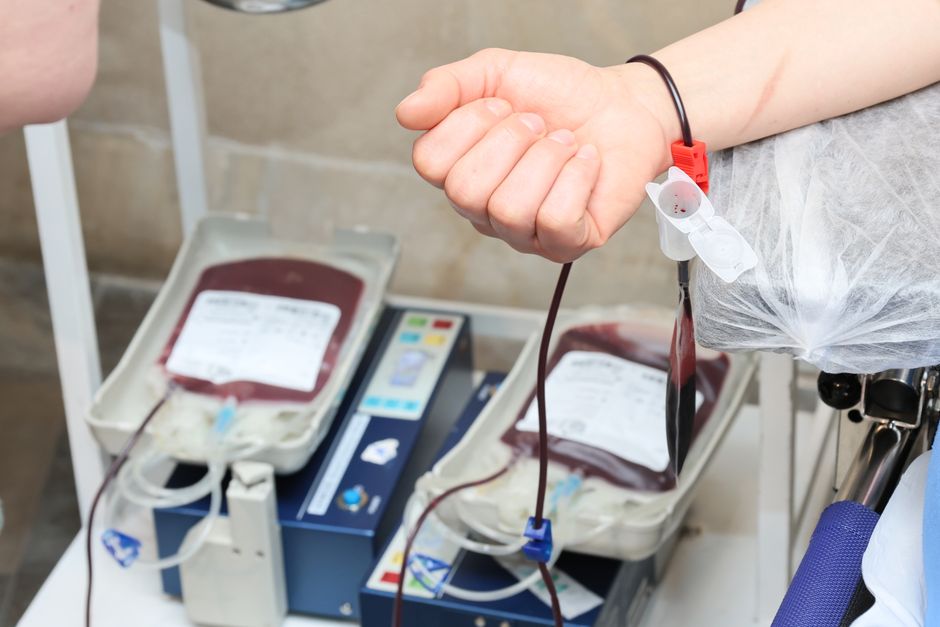
Donated plasma saves lives. It is used for trauma patients who have lost a lot of blood. Burn victims also need plasma because burns cause fluid and protein loss. People with liver failure cannot make enough plasma proteins, so they may need transfusions.
Plasma is also used to make medications. Pharmaceutical companies collect plasma from thousands of donors and process it into specific products. These include albumin for burn patients, clotting factors for hemophilia, and immune globulins for people with immune deficiencies.
As of 2026, plasma donation is a growing industry. The United States supplies about 70% of the world’s plasma. Donors can give plasma up to twice per week because their bodies replace the fluid and proteins within 24 to 48 hours.
Here is a quick comparison of plasma versus whole blood and platelets:
| Component | Main Function | Can Be Donated | Replaced by Body |
|---|---|---|---|
| Plasma | Transport, immunity, clotting | Every 28 days | 24-48 hours |
| Whole Blood | Oxygen delivery, clotting | Every 56 days | 4-8 weeks |
| Platelets | Clot formation | Every 7 days | 3-5 days |
What Are Common Misconceptions About Blood Plasma?
Some people think plasma is just water with no real function. That is wrong. Plasma is biologically active and essential for survival. Without it, your cells would starve, your blood would not clot, and your immune system would fail.
Another myth is that donating plasma weakens your immune system. It does not. Your body replaces the antibodies and proteins within hours to days. Regular donors show no increased risk of infections. Some studies suggest their bodies actually produce more antibodies in response to the donation.
A third misconception is that plasma and serum are the same thing. They are not. Serum is plasma with the clotting factors removed. Scientists use serum for lab tests because it does not clot. Plasma is used for transfusions because patients need those clotting factors.
Some people also believe that plasma transfusions can transmit diseases like HIV or hepatitis. This was a real risk decades ago. But current screening methods are very effective. Donated plasma is tested for multiple viruses and then treated with heat or chemicals to kill any remaining pathogens. The risk of disease transmission is extremely low.
Frequently Asked Questions
What does blood plasma do exactly?
Blood plasma transports nutrients, hormones, and waste products throughout your body. It also helps maintain blood pressure, supports immune function, and provides the proteins needed for blood clotting.
Can you live without blood plasma?
No, you cannot live without blood plasma. Without it, your cells would not receive nutrients or oxygen, and your body could not remove waste or fight infections.
Is donating plasma safe for most people?
Yes, donating plasma is safe for healthy adults who meet the eligibility requirements. Your body replaces the donated fluid and proteins within 24 to 48 hours.
What is the difference between plasma and whole blood?
Plasma is the liquid part of blood without the red cells, white cells, and platelets. Whole blood contains all these components. Plasma is used for different medical purposes than whole blood.
