
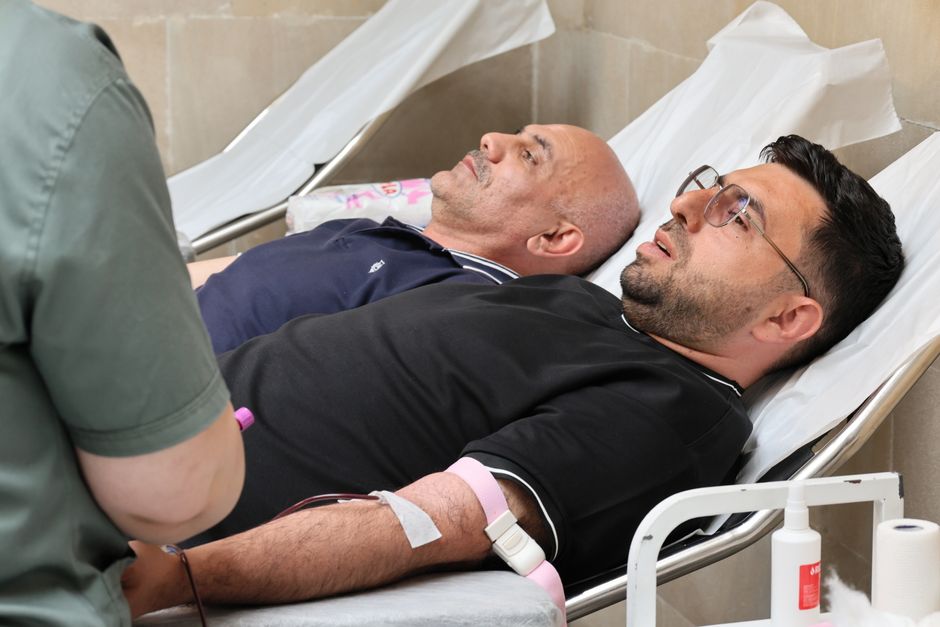
Blood transfusions save lives every single day. They replace what your body has lost or cannot make on its own. People need blood transfusions when their blood cannot carry enough oxygen, when they have lost a dangerous amount of blood, or when their bone marrow fails to produce healthy blood cells. It is a direct, proven medical treatment — not a trendy wellness therapy.
What Exactly Is a Blood Transfusion and How Does It Work?
A blood transfusion is a medical procedure where donated blood is given to you through an IV line. The blood goes directly into your vein. It is not a complicated process. Nurses monitor you closely during the whole thing.
Your body gets what it needs almost immediately. If you are low on red blood cells, your oxygen levels rise within hours. If you are bleeding heavily, your blood volume stabilizes. The donated blood has been tested, typed, and matched to your blood type to prevent dangerous reactions.
Most people feel better quickly after a transfusion. Fatigue lifts. Skin color improves. Breathing feels easier. The effects are not subtle — they are measurable and real.
Why Do People Need Blood Transfusions for Medical Conditions?
Chronic illnesses are a major reason for blood transfusions. Anemia is the most common. When your red blood cell count drops too low, your organs do not get enough oxygen. You feel exhausted, dizzy, and short of breath. Severe anemia from kidney disease, cancer, or inherited blood disorders often requires transfusions.
Cancer treatments frequently cause low blood counts. Chemotherapy kills fast-growing cells — including your bone marrow cells that make blood. Patients with leukemia, lymphoma, or solid tumors may need transfusions of red cells, platelets, or both. This is not optional. It keeps them alive through treatment.
Sickle cell disease and thalassemia are genetic conditions that distort or destroy red blood cells. People with these conditions often need regular transfusions to prevent organ damage and pain crises. Some receive transfusions every three to four weeks for their entire lives.
Bone marrow disorders like aplastic anemia or myelodysplastic syndrome mean your marrow stops making enough blood cells. Transfusions become a bridge while doctors treat the underlying problem — or a long-term support if a cure is not possible.
When Do Emergency Blood Transfusions Save Lives?
Trauma is the most dramatic reason. Car accidents, gunshot wounds, falls, and industrial accidents can cause massive blood loss in minutes. The body only has about five liters of blood. Losing 40 percent of that volume is life-threatening without immediate replacement.
Emergency transfusions happen fast. Trauma centers keep O-negative blood ready at all times. That is the universal donor type. They do not wait for blood typing when someone is bleeding out. They hang the bag and start pumping.
Childbirth complications are another major cause of emergency transfusions. Postpartum hemorrhage — heavy bleeding after delivery — is one of the top causes of maternal death worldwide. Uterine atony, retained placenta, or tears in the birth canal can cause rapid blood loss. A quick transfusion can mean the difference between life and death for a new mother.
Surgery also creates transfusion needs. Heart surgery, organ transplants, and major orthopedic procedures like hip replacements can involve significant blood loss. Surgeons plan ahead. They have blood ready in the operating room for high-risk cases.
| Reason for Transfusion | Typical Situation | Urgency Level |
|---|---|---|
| Trauma or accident | Massive blood loss in minutes | Immediate |
| Childbirth hemorrhage | Heavy bleeding after delivery | Immediate |
| Major surgery | Planned blood loss during procedure | Planned or urgent |
| Chronic anemia | Low red blood cells from illness | Non-urgent but necessary |
| Cancer treatment | Chemotherapy side effects | Supportive care |
| Sickle cell crisis | Pain and organ damage from sickled cells | Urgent or scheduled |


What Are the Different Types of Blood Transfusions?
Whole blood transfusions are rare. Doctors almost always give specific components. Each part of blood has a different job in the body.
- Red blood cells carry oxygen. This is the most common type of transfusion. It is used for anemia, blood loss, and chronic illness.
- Platelets help blood clot. People with very low platelet counts from chemotherapy or bone marrow failure need these to prevent dangerous bleeding.
- Plasma contains clotting factors. It is used for severe liver disease, massive burns, or when someone is bleeding because their clotting system is failing.
- Cryoprecipitate is a concentrated form of certain clotting proteins. It is used for specific bleeding disorders like hemophilia.
Doctors decide which component you need based on your lab results. Giving the wrong component does not help. If you need platelets, getting red cells will not stop your bleeding. The matching is precise.
Are Blood Transfusions Safe? What Are the Real Risks?
Blood transfusions in the United States are very safe. The blood supply is screened for HIV, hepatitis B, hepatitis C, syphilis, West Nile virus, and other infections. As of 2026, the risk of getting HIV from a transfusion is roughly 1 in 1.5 million units. That is extremely low.
But safety is not zero risk. Febrile reactions — fever and chills — happen in about 1 percent of transfusions. Your immune system reacts to white blood cells in the donated blood. It is uncomfortable but not dangerous. Filters and special processing reduce this risk.
Allergic reactions occur in 1 to 3 percent of transfusions. Hives and itching are the most common symptoms. Benadryl usually fixes it. Severe allergic reactions are rare.
Transfusion-related acute lung injury (TRALI) is a serious but rare complication. It causes fluid in the lungs and breathing trouble. It happens in about 1 in 5,000 to 1 in 10,000 transfusions. Doctors watch for it carefully.
Circulatory overload happens when too much fluid is given too fast. This is more common in people with heart or kidney problems. The heart cannot handle the extra volume. Slower infusion rates prevent this.
The biggest risk is human error. Wrong blood type given to the wrong patient. Hospitals have strict protocols. Two nurses check the blood bag against the patient’s ID bracelet. Barcode systems add another layer of safety. These systems work well but are not perfect.
Common Misconceptions About Blood Transfusions
Some people worry that transfusions weaken the immune system. The truth is more specific. Transfusions can temporarily suppress some immune responses. This is called transfusion-related immunomodulation. It is a real effect, but for most patients, the benefit of getting blood far outweighs this theoretical risk. Doctors do not withhold transfusions because of it.
Another myth is that you can get a transfusion to “boost energy” or “recover from a cold.” That is not how it works. Transfusions are medical treatments with real risks. They are not performance enhancers. Using them without a clear medical need is dangerous and wasteful.
Some people believe that blood transfusions change your DNA or your blood type. They do not. The donor cells stay in your body for weeks to months. Your body eventually breaks them down and replaces them with your own cells. Your blood type remains the same.
There is also a persistent idea that transfusions are addictive. That is false. There is no physical addiction to blood. People who need repeated transfusions have chronic medical conditions that require them — not a dependency on the transfusion itself.
What Happens During and After a Blood Transfusion?
The process is straightforward. A nurse places a small IV in your arm or hand. The blood bag hangs on a pole. The blood drips through tubing into your vein. It takes one to four hours depending on how much you need.
Nurses check your vital signs before, during, and after the transfusion. Your temperature, heart rate, blood pressure, and oxygen levels are monitored. They look for any signs of a reaction. You can read, watch TV, or sleep during the transfusion.
Afterward, most people feel better. Fatigue improves. If you were short of breath, that gets better too. Some people feel a little tired from sitting still for hours. That is normal.
Doctors will check your blood counts after the transfusion to see how well you responded. If your numbers are still low, you may need more blood. If they are good, you go back to your normal routine. There are no restrictions after a transfusion unless your underlying condition requires them.
Frequently Asked Questions
How long does a blood transfusion take?
Most transfusions take one to four hours. The speed depends on how much blood you need and your overall health.
Can you get a blood transfusion for low iron?
No. Low iron without severe anemia is treated with iron supplements or IV iron. Transfusions are reserved for dangerously low red blood cell counts.
Is it painful to get a blood transfusion?
The only pain is the small needle stick for the IV line. The transfusion itself is painless. Some people feel a slight cool sensation where the blood enters.
Can you refuse a blood transfusion?
Yes. Adults have the right to refuse any medical treatment. Doctors will discuss the risks of refusing and document your decision.
