
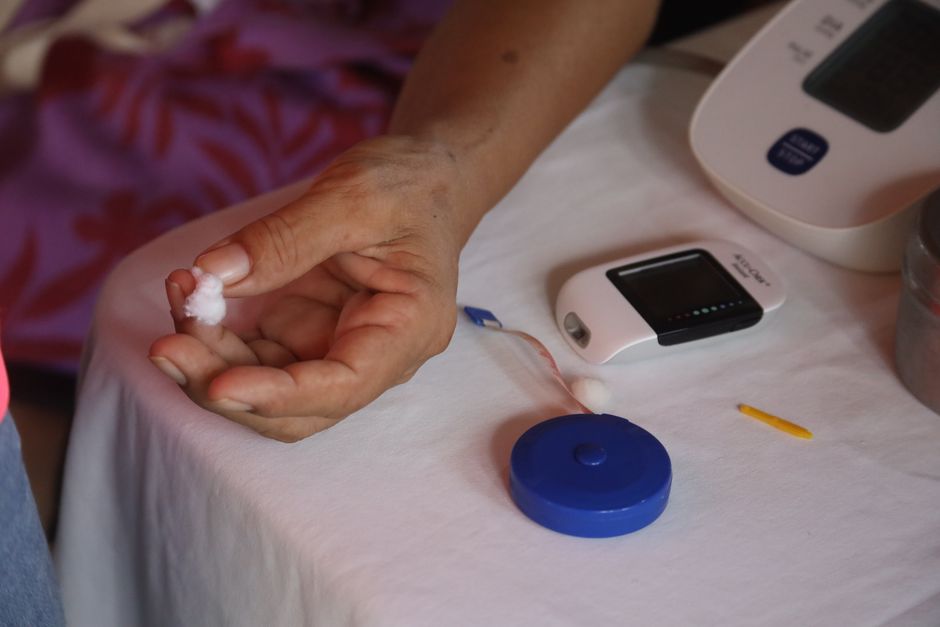
Your doctor probably ordered it after a routine blood draw. It is called the haemoglobin A1C test, and it measures your average blood sugar levels over the past two to three months. Unlike a finger-stick glucose test that gives you a single number at one moment, the A1C test provides a long-term picture of how well your body manages sugar. The result is reported as a percentage, and it is one of the most reliable tools for diagnosing and monitoring diabetes.
What Exactly Does the A1C Number Mean?
The A1C test measures how much glucose is stuck to your haemoglobin. Haemoglobin is a protein inside your red blood cells that carries oxygen. When blood sugar is high, glucose attaches to haemoglobin at a higher rate. Once attached, it stays there for the life of the red blood cell, which is roughly 120 days.
A normal A1C level is below 5.7 percent. A result between 5.7 and 6.4 percent indicates prediabetes. An A1C of 6.5 percent or higher on two separate tests confirms a diagnosis of diabetes. The American Diabetes Association established these thresholds based on large population studies.
For someone already diagnosed with diabetes, the general target is an A1C below 7 percent. Some people may have a higher or lower target depending on their age, other health conditions, and how long they have had diabetes. Your doctor sets your personal goal, not a generic number from the internet.
How Is the A1C Test Different From a Regular Blood Sugar Test?
A regular blood sugar test, also called a fasting glucose test, tells you your blood sugar right now. It changes throughout the day based on what you eat, how much you move, and your stress levels. The A1C test does not change with your last meal. It gives a weighted average of your blood sugar over the previous 8 to 12 weeks.
This difference matters because blood sugar can spike and drop many times in a single day. A fasting glucose test might catch a good number even if your blood sugar runs high after meals. The A1C test catches those post-meal highs. It is a more complete picture.
Some people have conditions that make the A1C test less accurate. If you have anemia, kidney disease, or certain hemoglobin variants, your A1C result may not reflect your true blood sugar level. The CDC notes that people of African, Mediterranean, or Southeast Asian descent are more likely to have hemoglobin variants that can interfere with the test. In those cases, doctors may use other tests like fructosamine or continuous glucose monitoring.
What Does Research on the A1C Test Show About Diabetes Risk?
Research published in the New England Journal of Medicine has shown that lowering A1C levels reduces the risk of diabetes complications. The landmark Diabetes Control and Complications Trial found that every 1 percent reduction in A1C lowered the risk of eye, kidney, and nerve damage by 40 percent. This was a large, long-term study that changed how doctors treat diabetes.
More recent research from the UK Prospective Diabetes Study confirmed similar findings for people with type 2 diabetes. Lower A1C levels were linked to fewer heart attacks and strokes. The evidence is strong that keeping A1C in a healthy range matters for long-term health.
Some studies suggest that even people with A1C levels in the prediabetes range have a higher risk of heart disease compared to people with normal levels. This does not mean everyone with prediabetes will have a heart attack. It means the risk starts climbing before diabetes is officially diagnosed.





What Factors Can Raise Your A1C Level?
High blood sugar over time is the direct cause of a high A1C. But several things drive blood sugar up in the first place. Diet is the biggest factor. Eating foods high in refined carbohydrates and added sugars causes blood sugar to rise. Sugary drinks, white bread, pasta, and pastries are common culprits.
Lack of physical activity also raises A1C. Muscles use glucose for energy. When you do not move much, glucose stays in your bloodstream. The American Heart Association recommends at least 150 minutes of moderate exercise per week for blood sugar control.
Stress and poor sleep can raise A1C as well. Cortisol, the stress hormone, tells your liver to release more glucose into the blood. Chronic stress keeps cortisol levels high, which keeps blood sugar high. Sleep deprivation has a similar effect. Studies have found that people who sleep less than six hours per night have higher A1C levels on average.
Some medications can raise blood sugar too. Steroids, certain diuretics, and some antipsychotic drugs can increase A1C. If you take any of these medications and your A1C is rising, talk to your doctor about whether the medication is the cause.
How Can You Lower Your A1C Naturally?
Diet changes are the most effective way to lower A1C. Reducing carbohydrate intake directly lowers blood sugar. Focus on whole foods like vegetables, lean proteins, nuts, and whole grains. Avoid processed foods with added sugars. One study in the journal Diabetes Care found that a low-carb diet lowered A1C by an average of 0.6 percent in six months.
Exercise helps your cells become more sensitive to insulin. Insulin is the hormone that moves glucose out of your blood and into your cells. When your cells are insulin sensitive, they take up glucose more easily. Both aerobic exercise like walking or cycling and resistance training like lifting weights improve insulin sensitivity.
Weight loss of even 5 to 10 percent of your body weight can lower A1C significantly. The Diabetes Prevention Program study showed that losing 7 percent of body weight combined with 150 minutes of exercise per week reduced the risk of progressing from prediabetes to diabetes by 58 percent.
| Lifestyle Change | Typical A1C Reduction |
|---|---|
| Low-carb diet | 0.5 to 1.0 percent |
| Regular exercise | 0.3 to 0.6 percent |
| Weight loss (5-10%) | 0.5 to 1.0 percent |
| Improved sleep | 0.2 to 0.4 percent |
These numbers are averages. Individual results vary. Some people see larger drops, especially if their starting A1C is high.
What Are the Limitations of the A1C Test?
The A1C test is not perfect. It can be falsely low in people with anemia, recent blood loss, or certain blood disorders. It can be falsely high in people with kidney failure or high alcohol intake. If your A1C does not match your home blood sugar readings, your doctor should investigate.
Pregnancy affects A1C as well. Hormonal changes during pregnancy lower A1C levels naturally. The test is not used to diagnose gestational diabetes. Instead, doctors use an oral glucose tolerance test.
Some people have a condition called glycemic variability. Their blood sugar swings wildly from high to low throughout the day. Their average blood sugar might be moderate, but the swings themselves cause damage. The A1C test does not capture this variability. Continuous glucose monitors are better for detecting these patterns.
As of 2026, there is no clinical evidence that any supplement or herbal remedy can lower A1C as effectively as diet, exercise, and medication. Many supplements are marketed for blood sugar control, but rigorous studies have not confirmed their effectiveness. If a product promises to lower your A1C quickly, be skeptical.
Common Misconceptions About the A1C Test
One common myth is that you need to fast before an A1C test. You do not. The test measures average blood sugar over months, so your last meal does not affect it. You can eat normally before the blood draw.
Another myth is that a normal A1C means you have no blood sugar problems. A normal A1C can miss early signs of insulin resistance. Some people have normal A1C but high blood sugar after meals. If you have symptoms like fatigue, frequent thirst, or blurred vision, ask your doctor for a glucose tolerance test even if your A1C is normal.
Some people believe that once your A1C is in the normal range, you are cured of diabetes. Type 2 diabetes can go into remission, but it is not cured. Remission means your blood sugar stays normal without medication. It requires maintaining lifestyle changes. If you go back to old habits, blood sugar rises again.
What to Avoid When Trying to Lower A1C
Avoid crash diets and extreme calorie restriction. They can cause blood sugar to drop dangerously low, especially if you take diabetes medication. Rapid weight loss is not sustainable and often leads to regaining the weight.
Avoid relying on supplements or herbal remedies alone. Some people report that cinnamon, berberine, or chromium help their blood sugar. Strong evidence is limited. These substances may have a small effect, but they should never replace diet, exercise, or prescribed medication. The FDA does not regulate supplements for safety or effectiveness.
Avoid skipping meals to lower blood sugar. Skipping meals can cause your liver to release stored glucose, which actually raises blood sugar. Eating regular meals with balanced portions of protein, fat, and carbohydrates helps keep blood sugar stable.
Avoid ignoring your medication. If your doctor prescribed metformin, insulin, or other diabetes drugs, take them as directed. Lifestyle changes are powerful, but medication is sometimes necessary. Stopping medication without medical guidance can cause blood sugar to spike dangerously.
Frequently Asked Questions
How often should I get my A1C tested?
If your blood sugar is stable and within target, get tested every six months. If your blood sugar is not controlled or you changed medication, get tested every three months.
Can the A1C test be wrong?
Yes, it can be inaccurate in people with anemia, kidney disease, or certain hemoglobin variants. If your A1C does not match your home blood sugar readings, ask your doctor about alternative tests.
What is a dangerous A1C level?
An A1C above 9 percent is considered high risk for diabetes complications. Levels above 10 percent require immediate medical attention to prevent damage to eyes, kidneys, and nerves.
Does drinking water lower A1C?
Drinking water does not directly lower A1C. Staying hydrated helps your kidneys flush excess sugar through urine, but the effect on A1C is minimal. Diet and exercise are much more effective.
