
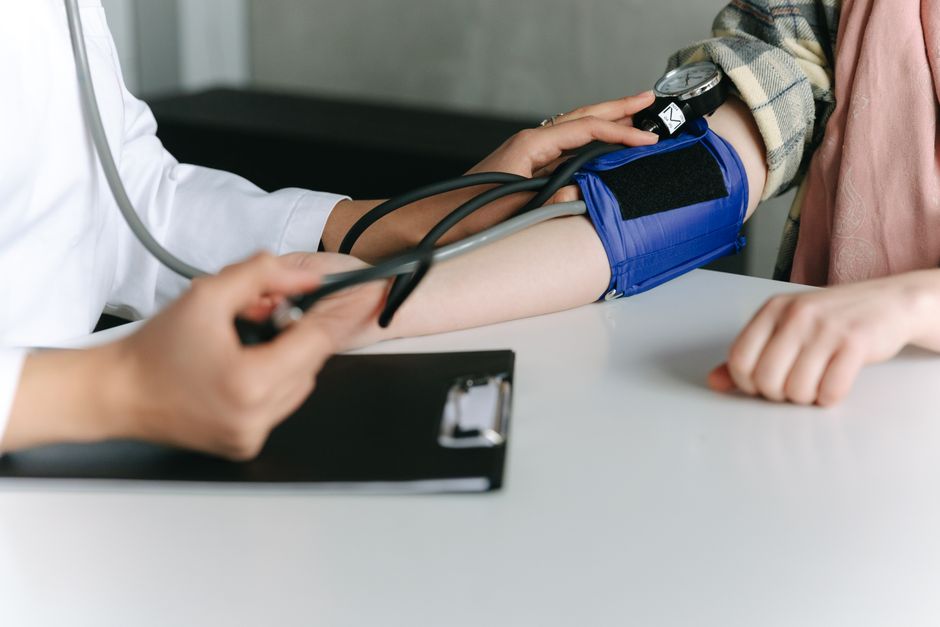
Waking up to a high blood pressure reading can be confusing, especially if your numbers are usually normal during the day. For most people, blood pressure follows a natural daily rhythm where it dips lowest during sleep and then rises sharply in the early morning hours. This morning surge is a normal biological response, but when the spike is excessive, it can signal an increased risk for heart attack and stroke.
What Causes the Morning Blood Pressure Surge?
Your body prepares for waking hours long before you open your eyes. Around 3 a.m. to 4 a.m., your internal clock triggers the release of stress hormones like cortisol and adrenaline. These hormones make your heart beat faster and your blood vessels tighten, which pushes blood pressure upward.
This rise is part of your circadian rhythm, the 24-hour internal clock that regulates sleep, body temperature, and hormone release. The surge ensures you have enough blood flow and oxygen to start moving and thinking when you wake. The increase usually begins in the early morning and peaks between 6 a.m. and 10 a.m.
For many people, this morning rise is modest. For others, it spikes dramatically. When the morning increase is excessive, doctors refer to it as an exaggerated morning surge. Research has linked this pattern to a higher risk of cardiovascular events, which is why morning heart attacks and strokes occur more often than at other times of day.
Is a Morning Reading of 140/90 Dangerous?
A single morning reading above 130/80 mmHg is considered high by current clinical standards. But one high reading does not mean you have uncontrolled hypertension. Blood pressure naturally fluctuates minute to minute and hour to hour.
Home monitoring guidelines recommend taking two readings in the morning and two in the evening over several days to get an accurate picture. If your morning readings consistently stay at or above 130/80 mmHg, that qualifies as high blood pressure and deserves medical attention.
An exaggerated morning surge matters because it stresses blood vessel walls. Over time, this repeated stress can damage arteries and increase the risk of plaque rupture, which can trigger a heart attack or stroke. The clinical concern is not just the number itself but the pattern repeating day after day.
Why Is Your Blood Pressure High In Morning Despite Taking Medication?
If you take blood pressure medication, timing can explain why your morning numbers remain high. Many once-daily medications are designed to last 24 hours, but their effect may weaken in the early morning hours. This is called the “trough effect” because drug levels in your blood are at their lowest right before your next dose.
If you take your medication in the morning, the drug’s peak effect may occur later in the day, leaving the early morning unprotected. Some research suggests that taking blood pressure medication at bedtime can better control the morning surge. A well-known study published in the European Heart Journal found that bedtime dosing reduced cardiovascular events compared to morning dosing.
Do not change your medication timing on your own. Discuss this with your doctor. Some people also need a different medication class, a higher dose, or a combination of two drugs to control the morning surge effectively.

Could Sleep Apnea Be Driving Your Morning Readings?
Obstructive sleep apnea is a common and often overlooked cause of high morning blood pressure. When you stop breathing during sleep, your oxygen level drops. Your body responds by releasing stress hormones that spike your blood pressure, sometimes to very high levels.
People with untreated sleep apnea often wake up with headaches, dry mouth, and fatigue. They may not remember waking during the night, but their blood pressure pays the price. Some studies indicate that up to half of people with resistant hypertension, meaning blood pressure that stays high despite three or more medications, have undiagnosed sleep apnea.
Treating sleep apnea with continuous positive airway pressure, or CPAP, can lower blood pressure substantially. If your morning readings are consistently high and you snore loudly or feel exhausted during the day, ask your doctor about a sleep study.
What Lifestyle Factors Raise Morning Blood Pressure?
Several daily habits can amplify the natural morning surge. These factors are within your control, and improving them can make a measurable difference.
- High salt intake: Excess sodium makes your body retain fluid, which increases blood volume and pressure. The effect is often most noticeable in the morning.
- Alcohol before bed: Alcohol can disrupt sleep and raise blood pressure during the night. Even moderate drinking can blunt the normal nighttime dip in blood pressure.
- Poor sleep quality: Short or fragmented sleep activates stress hormones. This directly raises blood pressure the next morning.
- Dehydration: Low fluid intake can trigger hormones that constrict blood vessels to preserve water, raising pressure.
- Stress: Chronic stress keeps cortisol levels elevated, which can exaggerate the morning surge.
Addressing these factors does not replace medication, but it can reduce the size of the morning spike. Even modest improvements in sleep and salt intake can shift your readings meaningfully.
How to Measure Morning Blood Pressure Correctly
An inaccurate reading can make you think your blood pressure is higher than it actually is. Home monitors are reliable when used correctly, but small mistakes are common.
Take your measurement within an hour of waking, before you eat, drink coffee, or exercise. Sit quietly for five minutes first. Place the cuff on a bare arm at heart level, with your feet flat on the floor and your back supported. Do not talk while the device is measuring.
Take two readings one minute apart and record both. The average of the two is more accurate than a single reading. Avoid measuring immediately after urinating or showering, as these activities can temporarily alter your blood pressure.
When Should You See a Doctor About Morning Hypertension?
If your home readings consistently show a systolic pressure of 130 mmHg or higher, or a diastolic pressure of 80 mmHg or higher, schedule an appointment. Do not wait for symptoms, because high blood pressure usually causes none until damage has already occurred.
Seek urgent medical care if your morning blood pressure is very high, such as 180/120 mmHg or above, especially if you also have chest pain, shortness of breath, vision changes, or weakness on one side of your body. These symptoms can indicate a hypertensive emergency that requires immediate treatment.
Your doctor may recommend ambulatory blood pressure monitoring, where you wear a device that takes readings every 20 to 30 minutes over 24 hours. This provides the most complete picture of your blood pressure pattern and can confirm whether the morning surge is truly excessive.
Does Treatment for Morning Surge Differ From Regular Hypertension Treatment?
Treatment follows the same general principles, but timing and medication choice matter more. The goal is to provide consistent 24-hour coverage so blood pressure does not spike in the early morning.
Long-acting medications taken once daily are preferred over short-acting ones because they maintain steadier drug levels. If you take multiple medications, your doctor may adjust the timing so that peak drug effect coincides with the morning surge.
Lifestyle changes remain the foundation. Reducing sodium, limiting alcohol, managing stress, and treating sleep apnea all help lower the morning peak. Some research suggests that regular aerobic exercise can blunt the morning surge over time, though the effect varies between individuals.
Frequently Asked Questions
What is a normal morning blood pressure reading?
A normal home blood pressure reading is below 120/80 mmHg. Readings of 130/80 mmHg or higher on multiple mornings indicate high blood pressure.
Can anxiety cause high blood pressure in the morning?
Yes, anxiety can temporarily raise blood pressure through stress hormone release. However, anxiety alone does not explain consistently high morning readings over weeks.
Is it better to take blood pressure medication at night?
Some research suggests bedtime dosing improves morning surge control and reduces cardiovascular events, but evidence is mixed. Discuss timing changes with your doctor rather than deciding on your own.
How long after waking should I measure my blood pressure?
Measure within one hour of waking, before eating, drinking caffeine, or taking your morning medication unless your doctor instructs otherwise. Sit quietly for five minutes before taking the reading.
