
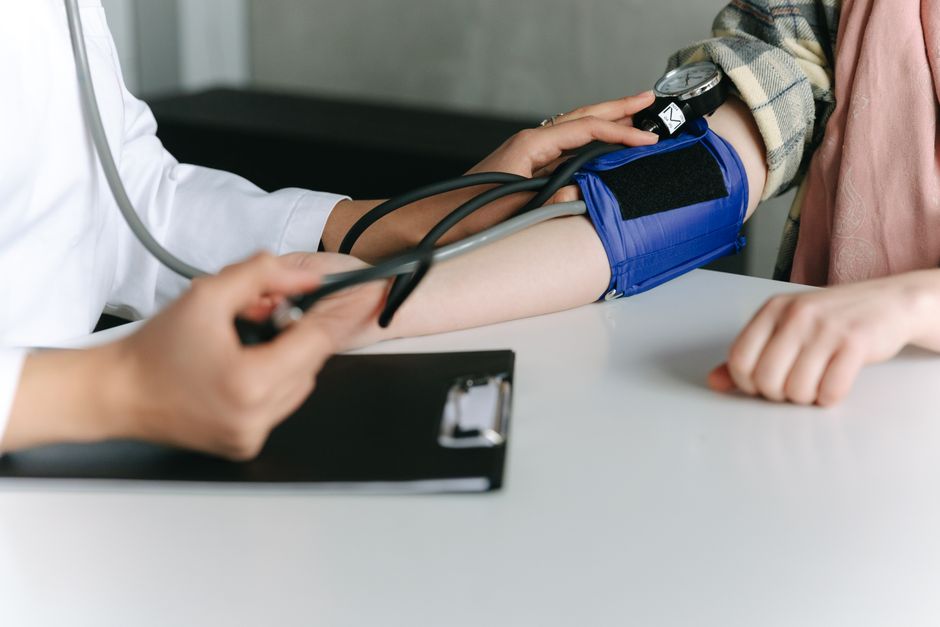
Blood pressure readings tell you how hard your heart is working to push blood through your body. A healthy blood pressure range is below 120/80 mm Hg, according to the American Heart Association and the American College of Cardiology. The first number, systolic pressure, measures the force when your heart beats. The second number, diastolic pressure, measures the force between beats when your heart rests. Staying in this range lowers your risk for heart attack, stroke, and kidney damage.
What Do the Numbers in a Blood Pressure Reading Mean?
The top number is systolic blood pressure. It records the pressure in your arteries when your heart contracts and pumps blood out. The bottom number is diastolic blood pressure. It records the pressure when your heart relaxes and fills with blood again.
Both numbers matter, but systolic pressure gets more attention as you age. After age 50, systolic pressure tends to rise while diastolic pressure often levels off or drops. Research published in the Journal of the American College of Cardiology found that systolic pressure is a stronger predictor of cardiovascular events in older adults. A reading of 130/70 might seem fine if you only look at the bottom number, but the top number already puts you in stage 1 hypertension.
Your blood pressure changes throughout the day. It is lowest when you sleep and highest when you wake up. Exercise, stress, caffeine, and even talking can raise it temporarily. That is why doctors take multiple readings over time before diagnosing a problem.
What Is A Healthy Blood Pressure Ranges Explained by Category
The American Heart Association groups blood pressure into five categories. Normal is systolic below 120 and diastolic below 80. Elevated is systolic 120-129 and diastolic below 80. Stage 1 hypertension is systolic 130-139 or diastolic 80-89. Stage 2 hypertension is systolic 140 or higher or diastolic 90 or higher. Hypertensive crisis is systolic over 180 or diastolic over 120 and requires immediate medical attention.
These categories changed in 2017 when the guidelines were updated. Before that, 140/90 was considered the cutoff for high blood pressure. The lower threshold means more people are now classified as having hypertension, but the goal is earlier intervention. The evidence behind this change came from studies like the SPRINT trial, which showed that treating to a lower systolic target of 120 mm Hg reduced cardiovascular events by about 25 percent compared to a target of 140 mm Hg.
Only one number needs to be out of range to move you into a higher category. If your systolic is 132 and your diastolic is 78, you have stage 1 hypertension. If your systolic is 128 and your diastolic is 84, you also have stage 1 hypertension. Both numbers are checked independently.
How Is Blood Pressure Measured Correctly?
Most blood pressure readings taken in a busy doctor’s office are not perfectly accurate. The CDC reports that up to 20 percent of people have what is called white coat hypertension, meaning their blood pressure spikes due to the stress of being in a medical setting. The opposite also exists, called masked hypertension, where blood pressure is normal in the clinic but high at home.
For a reliable reading, sit quietly for five minutes before the measurement. Keep both feet flat on the floor. Do not cross your legs. Rest your arm on a table so the cuff is at heart level. Do not talk during the measurement. Use a properly sized cuff. A cuff that is too small can give a falsely high reading by as much as 10 to 40 mm Hg.
Home monitoring is recommended for anyone diagnosed with or at risk for high blood pressure. The American Heart Association suggests using an automated, upper-arm monitor with a validated device. Wrist and finger monitors are less reliable. Take readings at the same time each day, morning and evening, and record them in a log to show your doctor.


What Factors Actually Raise Blood Pressure?
Sodium intake is the most well-established dietary factor. The average American consumes about 3,400 mg of sodium per day, according to the FDA. The recommended limit is 2,300 mg, and the ideal limit for people with hypertension is 1,500 mg. Reducing sodium by even 1,000 mg per day can lower systolic blood pressure by 5 to 6 mm Hg on average, according to research published in the BMJ.
Potassium is the counterbalance. Most people get too little. Potassium helps your kidneys excrete sodium and relaxes blood vessel walls. Foods high in potassium include bananas, potatoes with skin, spinach, avocados, and beans. The DASH diet, which the National Institutes of Health developed, emphasizes potassium-rich foods and limits sodium. Studies from the DASH-Sodium trial found that combining the DASH diet with low sodium intake lowered systolic blood pressure by about 11 mm Hg in people with hypertension.
Other factors include:
- Body weight. Each kilogram of weight loss can lower systolic pressure by about 1 mm Hg.
- Alcohol. More than one drink per day for women or two for men raises blood pressure.
- Physical inactivity. Regular aerobic exercise lowers systolic pressure by 5 to 8 mm Hg on average.
- Sleep apnea. Untreated sleep apnea is linked to resistant hypertension.
- Chronic stress. Short-term stress raises blood pressure, but evidence that stress management alone lowers long-term readings is mixed.
Can You Lower Blood Pressure Without Medication?
Lifestyle changes can lower blood pressure significantly, but the effect depends on where you start. Someone with stage 1 hypertension and no other risk factors may be able to reach normal levels without drugs. The American Heart Association recommends lifestyle changes as first-line treatment for elevated and stage 1 hypertension.
The DASH diet combined with reduced sodium is the most studied dietary approach. A systematic review in the American Journal of Clinical Nutrition found that the DASH diet lowered systolic blood pressure by 6 to 11 mm Hg. Adding exercise boosts the effect. The CDC recommends at least 150 minutes of moderate-intensity aerobic activity per week, which is about 30 minutes five days a week.
Weight loss has a dose-response relationship. A 2018 meta-analysis in the Journal of Hypertension found that every 5 percent reduction in body weight lowered systolic pressure by about 4 mm Hg. For someone who weighs 200 pounds, that means losing 10 pounds. Limiting alcohol and quitting smoking also help, though the blood pressure benefit of quitting smoking is partly due to overall cardiovascular risk reduction rather than a direct effect on readings.
Some people report that specific supplements like garlic extract, hibiscus tea, or beetroot juice lower their blood pressure. Some studies suggest modest effects, but the evidence is not strong enough to recommend these as standalone treatments. As of 2026, there is no clinical evidence that any supplement replaces diet, exercise, or medication when needed.
When Is Medication Necessary for High Blood Pressure?
Medication is typically prescribed when blood pressure is consistently 140/90 or higher, or 130/80 or higher in people with diabetes, chronic kidney disease, or a history of cardiovascular disease. These thresholds come from guidelines published by the American College of Cardiology and the American Heart Association.
There are five main classes of blood pressure medications. Thiazide diuretics reduce fluid volume. ACE inhibitors and ARBs relax blood vessels by blocking hormones that narrow them. Calcium channel blockers relax blood vessel muscles. Beta-blockers slow the heart rate. Most people need two or more medications to reach their target, according to research published in JAMA.
Side effects vary by drug class. Diuretics can cause low potassium and frequent urination. ACE inhibitors can cause a dry cough. Calcium channel blockers can cause ankle swelling and constipation. Beta-blockers can cause fatigue and cold hands. If side effects bother you, doctors can switch to a different class. Do not stop taking medication without talking to your doctor first. Stopping suddenly can cause a dangerous spike in blood pressure.
What Is a Hypertensive Crisis and When Should You Go to the ER?
A hypertensive crisis is a reading of 180/120 or higher. This is not something to watch and wait on. If your blood pressure is that high and you have symptoms like chest pain, shortness of breath, back pain, numbness, vision changes, or difficulty speaking, call 911 immediately. This is a medical emergency that can cause stroke, heart attack, or organ damage.
If your blood pressure is 180/120 or higher but you have no symptoms, wait five minutes and check again. If it remains that high, contact your doctor or go to the emergency room. Some people have readings this high due to anxiety, pain, or a missed dose of medication, but it is safer to get checked than to assume it is temporary.
Blood pressure readings above 180/120 require immediate attention even without symptoms because they can damage blood vessels over hours. The longer the pressure stays high, the more strain it puts on the heart, brain, and kidneys. Do not try to lower it yourself by taking extra medication. That can cause blood pressure to drop too fast and lead to fainting or stroke.
| Category | Systolic (mm Hg) | Diastolic (mm Hg) |
|---|---|---|
| Normal | Less than 120 | Less than 80 |
| Elevated | 120-129 | Less than 80 |
| Stage 1 Hypertension | 130-139 | 80-89 |
| Stage 2 Hypertension | 140 or higher | 90 or higher |
| Hypertensive Crisis | 180 or higher | 120 or higher |
Frequently Asked Questions
What is a normal blood pressure by age?
Normal blood pressure is below 120/80 for all adults regardless of age. Age does not change the healthy target range.
Can dehydration cause high blood pressure?
Dehydration can cause blood pressure to drop, not rise. Severe dehydration leads to low blood pressure and can be dangerous.
Does caffeine permanently raise blood pressure?
Caffeine causes a temporary spike in blood pressure that lasts about 30 minutes to a few hours. Regular coffee drinkers often develop a tolerance to this effect.
How often should you check blood pressure at home?
Check twice daily, once in the morning before eating or taking medication and once in the evening. Take two or three readings each time, one minute apart.
