
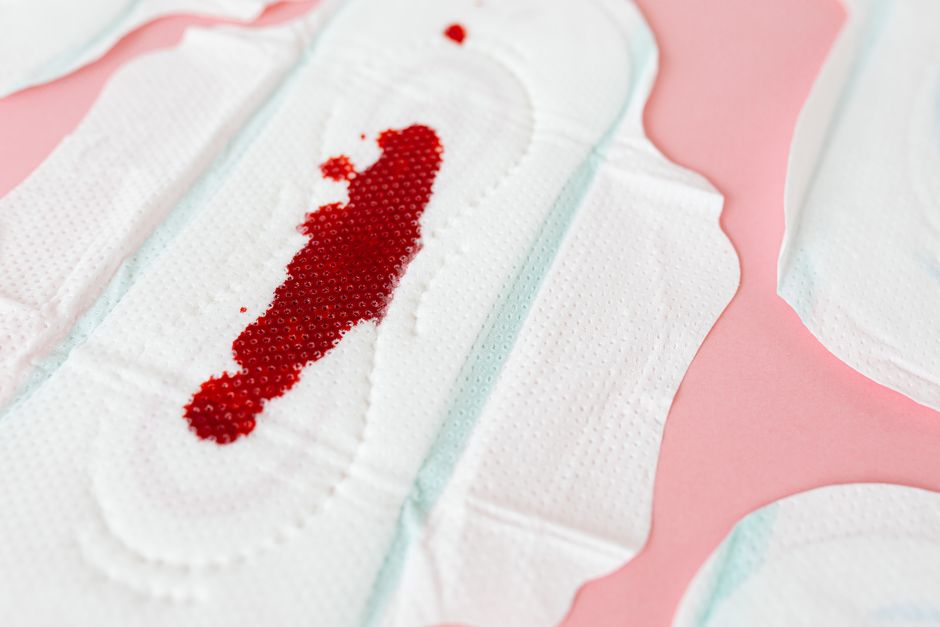
A sudden change in your cycle can be unsettling. If your period is noticeably heavier this month, the most common causes are a hormonal imbalance, a new medication, or a benign growth like a fibroid or polyp. While a single heavy month is often a one-off event, understanding the specific mechanisms behind the bleeding can help you determine when to monitor the situation and when to seek medical advice.
What Counts as a Heavy Period?
Doctors define heavy menstrual bleeding, also called menorrhagia, by the amount and duration of flow, not just by how it feels. A period is considered heavy if you soak through a pad or tampon every hour for several consecutive hours, if your bleeding lasts longer than seven days, or if you pass blood clots larger than a quarter.
Another common sign is needing to double up on protection, such as wearing both a pad and a tampon. If you find yourself changing your menstrual product during the night or your bleeding interferes with your daily activities, it meets the clinical definition of heavy.
An occasional heavy period is not unusual. However, if this pattern repeats for three or more consecutive cycles, it warrants a medical evaluation to rule out underlying conditions.
Hormonal Imbalances Are the Most Common Cause
Your menstrual cycle depends on a precise balance of estrogen and progesterone. These hormones thicken the uterine lining each month and then trigger its shedding when pregnancy does not occur.
When this balance is off, the uterine lining can build up excessively. A thicker lining means more tissue to shed, which results in heavier bleeding and larger clots. This is the most frequent reason for a sudden heavy month.
Several situations can disrupt this balance:
- Anovulation: Some months you may not ovulate. Without ovulation, progesterone is not produced, and estrogen continues to stimulate the lining unchecked. This often happens during perimenopause or in women with polycystic ovary syndrome (PCOS).
- Perimenopause: The years leading up to menopause are characterized by fluctuating hormone levels. It is very common for women in their late 40s and early 50s to experience sudden heavy periods as ovulation becomes irregular.
- Stress: High stress levels can suppress ovulation and disrupt the normal hormonal cascade, leading to a delayed and heavier period.
These hormonal shifts are a normal part of reproductive aging, but they can also signal a thyroid problem. An underactive thyroid is a known cause of heavy menstrual bleeding and is easily detected with a simple blood test.
Uterine Fibroids and Polyps
Fibroids are non-cancerous growths in the muscular wall of the uterus. They are extremely common, affecting up to 70% of women by age 50. Not all fibroids cause symptoms, but those that grow near the uterine lining can increase the surface area of the lining or interfere with the uterus’s ability to contract and stop bleeding.
Uterine polyps are small, fragile growths that attach to the inner wall of the uterus. They contain tiny blood vessels and can bleed easily. Polyps are a frequent cause of spotting between periods and heavier-than-normal menstrual flow.
Both conditions are diagnosed with an ultrasound or a hysteroscopy, where a small camera is inserted into the uterus. Neither fibroids nor polyps are cancerous in the vast majority of cases, but they can cause significant blood loss and anemia if left untreated.
If you are over 35 and experiencing a sudden heavy period, fibroids or polyps are a leading possibility. They can grow slowly over time, so a period that was normal last month may become heavy this month as a growth enlarges.





Medications That Increase Bleeding
Certain medications can directly change your menstrual flow. If you started a new prescription recently, it may be the reason for the change.
Blood thinners such as warfarin, apixaban, or rivaroxaban interfere with your blood’s ability to clot. This does not make your period heavier in terms of tissue, but it can significantly increase the volume of blood you lose.
Intrauterine devices (IUDs) can also affect bleeding patterns. The copper IUD, sold under the brand name Paragard, is known to cause heavier and longer periods in some women. This is a common side effect that often improves after several months. In contrast, hormonal IUDs like Mirena typically reduce bleeding.
Anti-inflammatory medications such as ibuprofen and naproxen are sometimes used to reduce menstrual flow, but they do not cause heavy bleeding. However, they can increase bleeding risk in the stomach, which is a separate issue.
If you recently started a new medication and noticed a change in your period, review the side effect profile with your pharmacist. Do not stop a prescribed medication without consulting your doctor first.
Why Is My Period Heavy This Month Causes To Know: When to See a Doctor
One heavy month is rarely an emergency, but certain signs require prompt medical attention.
Seek care immediately if you are soaking through a pad or tampon every hour for two or more consecutive hours, if you feel lightheaded, dizzy, or short of breath, or if you are passing clots larger than a golf ball. These symptoms suggest significant blood loss that could lead to anemia.
You should also schedule an appointment with your gynecologist if the heavy bleeding lasts more than a few days, if you have bleeding between periods, or if you have a family history of bleeding disorders. A condition called von Willebrand disease affects approximately 1 in 100 women and is a leading cause of heavy menstrual bleeding.
Your doctor will likely order a complete blood count to check for anemia, a thyroid panel, and an ultrasound to visualize the uterus and ovaries. These tests are straightforward and can identify most structural and hormonal causes.
What to Expect During the Evaluation
The medical workup for heavy bleeding is not something to fear. Most causes are benign and highly treatable.
Your doctor will start by asking about your cycle history and any other symptoms. They will perform a pelvic exam and likely order an ultrasound. This imaging test can detect fibroids, polyps, or thickening of the uterine lining.
Depending on your age and risk factors, your doctor may recommend a biopsy of the uterine lining. This is a quick in-office procedure that samples a small piece of tissue to rule out precancerous changes. It is more commonly recommended for women over 45 or those with risk factors for endometrial cancer.
Treatment options range from hormonal birth control to reduce flow, to tranexamic acid which helps blood clot, to surgical removal of polyps or fibroids. The right option depends entirely on the underlying cause and your reproductive plans.
Lifestyle Factors That Can Influence Flow
Several lifestyle factors can influence menstrual bleeding, though they are less common causes than hormonal or structural issues.
Significant weight changes can alter estrogen levels. Fat tissue produces estrogen, so gaining weight can lead to a thicker uterine lining and heavier periods. Conversely, rapid weight loss can disrupt the cycle entirely.
Intense exercise can also affect hormones. Athletes who train heavily sometimes experience irregular or heavy bleeding due to changes in energy balance and hormone production.
These factors typically cause changes over several months rather than a sudden one-month spike. If your heavy period coincides with a recent lifestyle change, it may be a contributing factor, but it is still worth discussing with a doctor to rule out other causes.
Frequently Asked Questions
Can stress cause a heavy period?
Yes, stress can disrupt ovulation and hormone levels, which may lead to a heavier period.
How long does a heavy period last before I should worry?
Heavy bleeding lasting more than seven days or soaking through protection every hour for two hours requires medical evaluation.
Does a heavy period mean I have fibroids?
Not necessarily, but fibroids are a common cause of heavy bleeding and can be detected with an ultrasound.
Can birth control stop heavy periods?
Hormonal birth control is a standard treatment for heavy menstrual bleeding and is effective for many women.
