
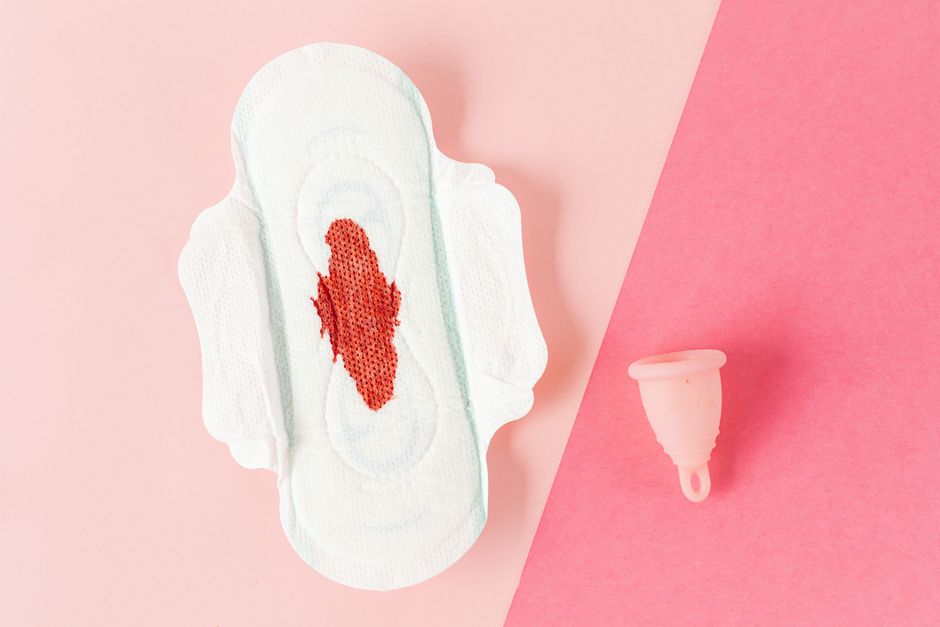
If you need your period to stop for a specific reason — a vacation, a surgery, or heavy bleeding — hormonal birth control is the most reliable method. The pill, the ring, the patch, and the hormonal IUD can all reduce or stop periods. Continuous use of combination birth control pills is the most common approach. You skip the placebo week and start a new pack immediately. Other options like the Depo-Provera shot or an IUD can also lead to lighter or absent periods over time. There is no guaranteed method for everyone, but these are the options that work based on clinical evidence.
How Do I Get My Period to Stop Options That Work?
If you are asking this question specifically, you likely want a clear answer. The most studied and effective option is taking combination birth control pills without a break. This is called continuous or extended-cycle use. Instead of taking the placebo pills for seven days, you skip them and start the next active pack. This prevents the hormone drop that triggers bleeding.
The FDA has approved several extended-cycle pill brands like Seasonale and Seasonique. But you can do this with any monophasic combination pill, where each active pill has the same hormone dose. Research published in the journal Contraception found that over 70% of women using continuous pills had no bleeding after three months. Some spotting is common in the first month or two. This is not dangerous. It is your uterine lining adjusting to the steady hormones.
What Does Research Show About Stopping Your Period?
Research has looked at this question for decades. The evidence is clear that suppressing periods with hormonal birth control is safe for most women. A 2014 review in Human Reproduction Update analyzed multiple studies and found no increased risk of cancer, infertility, or blood clots from continuous pill use compared to standard cyclic use. The risk of blood clots is slightly higher with any estrogen-containing birth control, but using it continuously does not raise that risk further.
The American College of Obstetricians and Gynecologists (ACOG) states that there is no medical reason to have a monthly period if you are on birth control. The bleeding you have during the placebo week is not a real period. It is withdrawal bleeding from the hormone drop. It serves no biological purpose. Many women choose to skip it for convenience or medical reasons like endometriosis or heavy bleeding.
Some people worry that not having a period means the uterus is “building up” blood. That is not how it works. The hormones in birth control keep the uterine lining thin. There is nothing to shed. This is one of the most common misconceptions, and the research does not support it.
Which Birth Control Methods Work Best for Stopping Periods?
Not all methods work the same way. Here is a breakdown of what the evidence shows for each option.
| Method | How It Works | Time to Stop Period | Success Rate |
|---|---|---|---|
| Combination pill (continuous use) | Skipping placebo week, steady estrogen and progestin | 1-3 months | 70-80% no bleeding by month 3 |
| Hormonal IUD (Mirena, Liletta) | Progestin thins uterine lining locally | 3-6 months | 50-60% no bleeding by year 1 |
| Depo-Provera shot | High-dose progestin every 3 months | 6-12 months | 50-70% no bleeding by year 2 |
| Nexplanon implant | Progestin rod in arm | 6-12 months | 20-30% no bleeding; many have irregular spotting |
| Birth control ring or patch (continuous) | Same as pill — skip the break week | 1-3 months | Similar to pill, around 70% |
The hormonal IUD is a strong option if you want long-term suppression. The Mirena IUD is FDA-approved for heavy menstrual bleeding. Studies show that after one year, about 50% of users have no periods. After five years, that number rises to 80%. The Depo-Provera shot works well for some women, but it can cause irregular bleeding in the first six months before periods stop completely.
The implant, Nexplanon, is less predictable. About one in five users have no bleeding after a year. The rest have irregular spotting or light periods. This is not a failure of the method. It is just how your body responds to the progestin. You cannot know in advance which group you will fall into.



Can You Stop Your Period Without Hormones?
This is where the evidence gets thin. Many people want non-hormonal options. The honest answer is that no non-hormonal method has strong clinical evidence for stopping periods. Ibuprofen taken in high doses can reduce bleeding by about 20-30% during a period. It does not stop it. Some people report that tranexamic acid, a prescription medication for heavy bleeding, reduces flow but does not stop periods entirely.
Herbal remedies like ginger, turmeric, or raspberry leaf are widely claimed to affect periods. There is no clinical evidence that any of them can stop a period. A 2018 review in Phytotherapy Research found that ginger may reduce menstrual pain and bleeding volume in some women, but the effect is small and inconsistent. These are not reliable options for stopping a period.
Dietary changes, exercise, or stress reduction do not stop periods in women with normal hormone cycles. If your period stops due to extreme weight loss, over-exercising, or high stress, that is called hypothalamic amenorrhea. It is not a healthy state. It comes with risks like bone density loss and infertility. Do not try to induce this deliberately.
What Are the Side Effects and Risks?
Every hormonal method has side effects. The most common ones with continuous pill use are breakthrough spotting, breast tenderness, and mood changes. Spotting is most common in the first one to three months. It usually resolves as your body adjusts. If spotting continues beyond three months, your doctor may switch you to a pill with a different progestin or a higher estrogen dose.
Blood clots are the most serious risk with estrogen-containing methods. The overall risk is low — about 3-9 per 10,000 women per year for combination pills. That risk is higher if you smoke, are over 35, have migraines with aura, or have a history of clots. The CDC and ACOG both recommend against combination birth control for women in these groups. Progestin-only methods like the IUD, implant, and shot have no increased clot risk.
The Depo-Provera shot has a unique concern. Long-term use — more than two years — can reduce bone density. The FDA warns about this. Bone density usually recovers after stopping the shot. But if you have other risk factors for osteoporosis, this may not be the best choice for you. Your doctor can help weigh this.
Some women worry about fertility after stopping birth control. Research shows no long-term impact. Fertility returns quickly after stopping the pill, ring, or patch. After the Depo shot, it can take 6-12 months for ovulation to return. The IUD and implant have immediate return of fertility after removal.
What to Avoid and Common Misconceptions
There is a lot of bad advice online. Do not try to stop your period by taking large doses of vitamin C, drinking parsley tea, or using lemon juice. These are not effective. Some of them can be harmful. High-dose vitamin C can cause kidney stones and digestive issues. Parsley in large amounts can be toxic. There is no clinical evidence supporting any of these methods.
Another common myth is that skipping periods causes toxins to build up in your body. This is not true. Your uterus does not store toxins. Menstrual blood is mostly blood and tissue from the uterine lining. Your liver and kidneys handle detoxification. Not having a period does not affect that process in any way.
Some women believe they need to have a period every month to be “healthy” or “clean.” This is a cultural belief, not a medical one. Before modern birth control, women spent much more of their lives pregnant or breastfeeding and had far fewer periods. Monthly bleeding is a modern norm, not a biological requirement. ACOG has stated this clearly.
If you have heavy periods that interfere with your life — soaking through pads or tampons every hour, passing large clots, feeling dizzy or tired — do not try to manage this alone. That could be a sign of fibroids, polyps, or a bleeding disorder. See a gynecologist. They can help you find the right treatment, which may include hormonal options, tranexamic acid, or procedures like endometrial ablation.
Frequently Asked Questions
Can I stop my period for just one month?
Yes. If you take combination birth control pills, simply skip the placebo week and start a new pack. You will not have withdrawal bleeding that month.
Is it safe to never have a period?
For most women on hormonal birth control, yes. The uterine lining stays thin and there is no medical need for monthly bleeding. Discuss your individual health history with your doctor.
Will stopping my period affect my fertility later?
No. Research shows no long-term impact on fertility from using hormonal birth control to skip periods. Fertility returns normally after stopping the method.
What if I have spotting every day on continuous pills?
This is common in the first few months. If it continues beyond three months, talk to your doctor about switching to a different pill formulation or method.
