
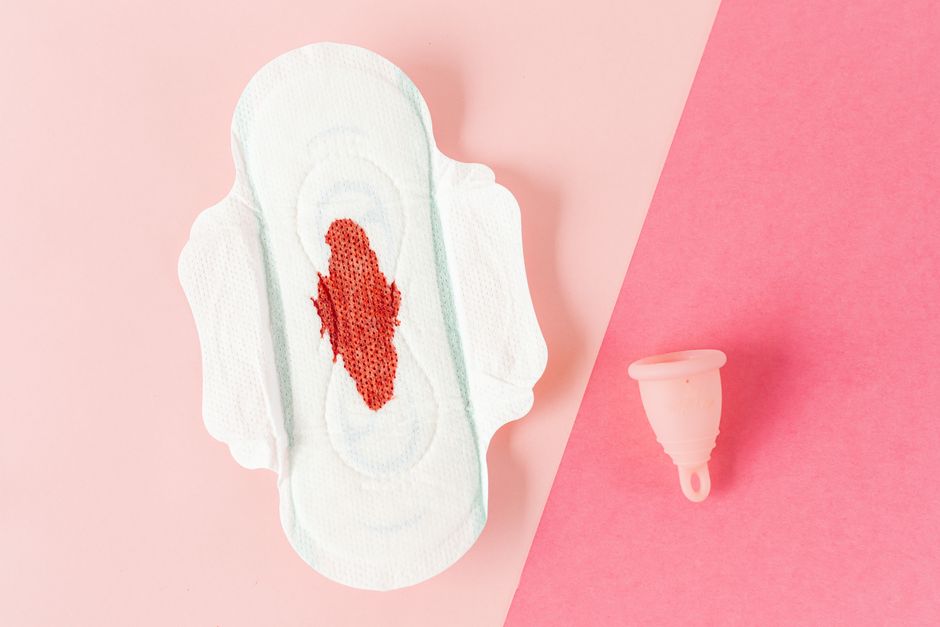
You had your period two weeks ago. Now it is back. This can be alarming but it is often not a serious problem. The most likely causes of having your period again include hormonal fluctuations, ovulation spotting, or changes in birth control. Understanding why this happens can help you decide if you need to see a doctor or if it is a normal part of your cycle.
What Is Breakthrough Bleeding and Is It Normal?
Breakthrough bleeding is any bleeding that happens between your regular periods. It is more common than most people think. The American College of Obstetricians and Gynecologists reports that up to 30% of women experience spotting or breakthrough bleeding at some point in their lives.
This type of bleeding is usually lighter than a normal period. It may be pink, red, or brown. It often lasts one to three days. While it can feel like your period has come back early, it is not the same thing. Your uterine lining sheds for different reasons during breakthrough bleeding than during a full period.
Many women assume any bleeding means something is wrong. But breakthrough bleeding is often a normal response to changes in your body. The key is knowing what kind of change triggered it.
Why Am I Having My Period Again Likely Causes
The most common cause of having your period again is a hormonal imbalance. Your menstrual cycle relies on a precise dance between estrogen and progesterone. When these hormones shift unexpectedly, your uterine lining can shed early.
Stress is a major driver of these shifts. Research published in the Journal of Clinical Endocrinology & Metabolism found that women with high perceived stress levels had significantly more cycle irregularities. When you are stressed, your body produces cortisol. This hormone can suppress or alter the production of estrogen and progesterone, leading to breakthrough bleeding.
Weight changes also affect your hormones. Losing or gaining more than 10% of your body weight in a short period can disrupt your cycle. Fat cells produce estrogen. When your body fat percentage changes quickly, your estrogen levels follow. This can cause unexpected bleeding.
Thyroid problems are another common cause. Both hyperthyroidism and hypothyroidism can lead to irregular bleeding. The American Thyroid Association notes that menstrual irregularities are one of the earliest signs of thyroid dysfunction in women of reproductive age.
Is It Ovulation Spotting or Something Else?
Ovulation spotting happens in about 5% of women. It occurs when an egg is released from the ovary, usually around day 14 of a 28-day cycle. The drop in estrogen right before ovulation can cause a small amount of bleeding.
This bleeding is distinct. It is light, often just a few drops. It may be pink or light red. It typically lasts less than 24 hours. Some women feel a mild cramp on one side of their lower abdomen at the same time.
If you track your cycle closely, you may notice this bleeding happens at the same time each month. That is a good sign it is ovulation-related. If the timing varies widely or the bleeding is heavier, something else is likely going on.
Ovulation spotting is harmless. It does not require treatment. But if you are trying to conceive, it can actually be useful information. It signals that you are fertile.





How Birth Control Affects Your Cycle
Hormonal birth control is one of the most common causes of breakthrough bleeding. This is especially true in the first three to six months after starting a new method. The CDC reports that up to 50% of women using hormonal contraceptives experience spotting in the first three months.
Different methods have different rates of breakthrough bleeding. Here is what the evidence shows:
| Birth Control Method | Rate of Breakthrough Bleeding | Typical Timeframe |
|---|---|---|
| Combined oral contraceptives | 10-30% | First 3 months |
| Progestin-only pills | 30-50% | First 6 months |
| IUD (hormonal) | 20-40% | First 3-6 months |
| Implant | 50-80% | First year |
| Shot (Depo-Provera) | 50-70% | First year |
Missing a pill, taking it late, or using antibiotics can also trigger bleeding. If you use birth control consistently and still have bleeding, it may be your body adjusting. Most breakthrough bleeding from birth control resolves within three to six months. If it continues longer, talk to your doctor about switching methods.
When Could It Be a Medical Condition?
Sometimes breakthrough bleeding signals an underlying medical issue that needs attention. Uterine fibroids are one possibility. These noncancerous growths in the uterus affect up to 80% of women by age 50. They can cause heavy bleeding, prolonged periods, and spotting between cycles.
Polyps are another cause. These are small, benign growths on the lining of the uterus or cervix. They are more common in women over 40. Polyps can bleed unpredictably. They are easily detected with an ultrasound and can be removed in a simple outpatient procedure.
Endometriosis is a condition where uterine-like tissue grows outside the uterus. It affects about 10% of women of reproductive age. Along with pelvic pain, it can cause irregular bleeding. The Endometriosis Foundation of America notes that spotting between periods is a common symptom.
Pelvic inflammatory disease (PID) is a bacterial infection of the reproductive organs. It can cause bleeding between periods along with pelvic pain, fever, and unusual discharge. PID requires prompt antibiotic treatment to prevent complications like infertility.
In rare cases, breakthrough bleeding can be a sign of cervical or uterine cancer. This is most concerning in women over 40 or those with a history of abnormal Pap smears. The American Cancer Society states that any unexpected bleeding after menopause should be evaluated immediately.
What to Do When You Have Unexpected Bleeding
Track what you see. Note the date, how heavy the bleeding is, the color, and how long it lasts. Also note any other symptoms like pain, fever, or fatigue. This information is valuable for your doctor.
Consider what has changed in your life recently. Have you started a new medication? Lost or gained weight? Been under unusual stress? Changed your exercise routine? Any of these could explain the bleeding.
If you are over 40, have a family history of reproductive cancers, or have had abnormal Pap smears in the past, do not wait. Schedule an appointment sooner rather than later. The same applies if the bleeding is heavy enough to require a pad or tampon every hour for more than two hours.
For most women under 40 with light spotting that lasts a day or two, watching and waiting is reasonable. If it happens again in the next cycle, see your doctor. If it happens only once and does not return, it was likely a one-time hormonal blip.
Common Misconceptions About Breakthrough Bleeding
One widespread myth is that breakthrough bleeding means you are pregnant. While implantation bleeding can happen when a fertilized egg attaches to the uterus, it is very light and happens around the time your period would be due. It is not a common cause of bleeding mid-cycle. A pregnancy test is the only reliable way to know.
Another myth is that exercise causes breakthrough bleeding. Intense exercise can delay your period or stop it altogether if you lose too much body fat. But there is no evidence that moderate exercise causes spotting. If you bleed after a workout, look for other causes.
Some people believe that bleeding between periods always means something is wrong. This is not true. As discussed, ovulation spotting, birth control adjustment, and stress-related hormonal shifts are all normal causes. The key is knowing your own pattern. If you have never had breakthrough bleeding before and it suddenly starts, it is worth checking out.
Frequently Asked Questions
Can stress cause me to get my period again?
Yes, high stress levels can disrupt your hormones and cause breakthrough bleeding. Cortisol, the stress hormone, can interfere with estrogen and progesterone production.
How much bleeding is too much for breakthrough bleeding?
If you soak through a pad or tampon every hour for more than two hours, seek medical care. Light spotting that lasts a day or two is usually not concerning.
Does breakthrough bleeding mean my birth control is not working?
Not necessarily. Breakthrough bleeding is common in the first few months of using hormonal birth control. It does not mean you are at higher risk of pregnancy if you use your method correctly.
When should I see a doctor for unexpected bleeding?
See a doctor if the bleeding is heavy, lasts more than three days, happens repeatedly, or if you are over 40. Also see a doctor if you have pain, fever, or other symptoms.
