
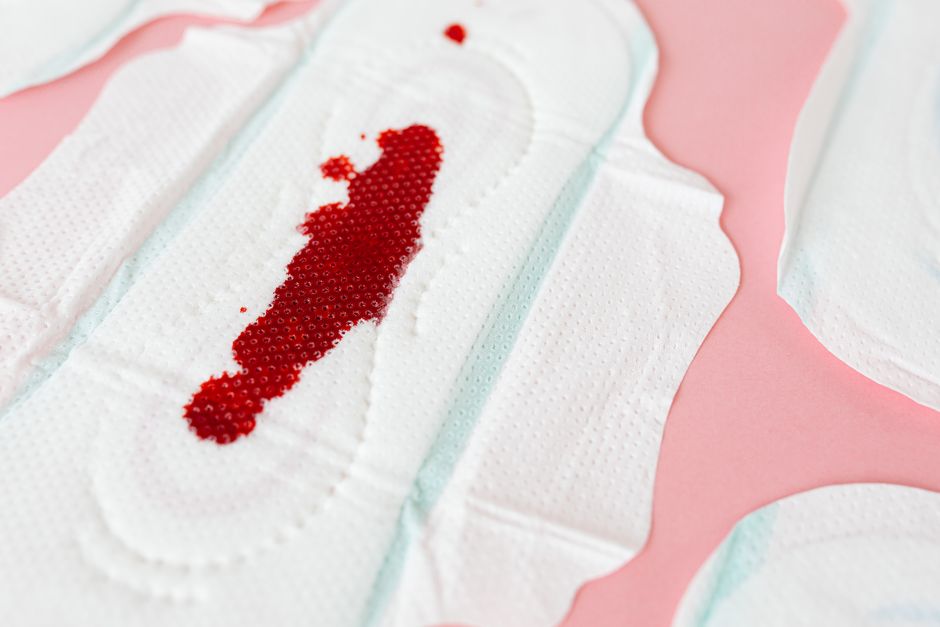
Your period is clotty this month because your uterine lining shed faster than your body’s natural anti-clotting enzymes could break down the blood. When flow is heavy, blood pools in the uterus or vagina before exiting, and that pooling allows clots to form. It is that simple — and that common. Nearly every woman passes a clot at some point, and for most, it is not a sign of anything wrong.
What Causes Heavy Menstrual Clots in the First Place?
Your body produces anticoagulants during your period to keep menstrual blood thin so it flows out smoothly. When bleeding is heavy, those natural blood thinners cannot keep up. The blood clots before it leaves your body. That is the basic mechanism.
Hormones drive this. Estrogen thickens your uterine lining each month. If your estrogen levels are higher than usual, the lining grows thicker. When it sheds, there is more tissue and blood to pass. More blood means more clots.
Uterine fibroids are another common cause. These are noncancerous growths in the uterus wall. The American College of Obstetricians and Gynecologists estimates that 70 to 80 percent of women will have fibroids by age 50. They do not always cause symptoms, but when they do, heavy bleeding and clots are at the top of the list.
Endometriosis and adenomyosis also produce heavy clotty periods. In adenomyosis, the uterine lining grows into the muscle wall. This makes the uterus larger and bleeding heavier. Research published in the journal Human Reproduction Update found that adenomyosis is present in about 20 to 35 percent of women with heavy menstrual bleeding.
Is a Clotty Period Ever Normal?
Yes, most of the time. Passing small clots — about the size of a dime or smaller — during the heaviest days of your period is normal. The color is typically dark red or maroon, which just means the blood has been sitting in your uterus for a short time before coming out.
Clots larger than a quarter are worth paying attention to. The medical term for this is “menorrhagia.” The CDC defines heavy menstrual bleeding as soaking through one or more pads or tampons every hour for several consecutive hours. If you are passing large clots along with that level of bleeding, it is time to talk to a doctor.
One study published in Obstetrics & Gynecology found that about 30 percent of women who saw a doctor for heavy bleeding were actually within normal range. The other 70 percent had an identifiable cause. That means most women who think their periods are too heavy are right.
What Does Research Show About Clotty Periods and Health Risks?
Chronic heavy bleeding can lead to iron deficiency anemia. Your body needs iron to make red blood cells. When you lose a lot of blood each month, your iron stores deplete. The CDC reports that iron deficiency affects about 5 percent of women of reproductive age in the United States, and that number rises to 20 to 30 percent among women with heavy menstrual bleeding.
Symptoms of anemia include fatigue, pale skin, shortness of breath, and dizziness. If you have been feeling unusually tired for several months and your periods are heavy, a simple blood test from your doctor can check your ferritin levels. Ferritin is the stored form of iron in your body.
Blood clotting disorders are a less common but real cause. Von Willebrand disease is the most common inherited bleeding disorder. The National Heart, Lung, and Blood Institute states that about 1 in 100 to 1 in 1,000 people have it, and many women do not realize it until they have a particularly heavy period or a procedure that causes unexpected bleeding.
Thyroid problems can also cause heavy clotty periods. Hypothyroidism — an underactive thyroid — slows down your metabolism and can disrupt your menstrual cycle. A 2015 review in the Journal of Clinical Medicine found that thyroid dysfunction is present in up to 44 percent of women with menstrual irregularities.





When Should You See a Doctor About Clotty Periods?
You should see a doctor if you are soaking through a pad or tampon every hour for more than two hours in a row. That is the standard clinical threshold. You should also see a doctor if you pass clots larger than a quarter consistently, or if your periods last longer than seven days.
Other red flags include bleeding between periods, bleeding after sex, severe pain that prevents normal activity, or feeling lightheaded during your period. Any of these symptoms warrant a medical visit regardless of clot size.
Your doctor will likely start with a pelvic exam and a blood test to check your iron levels and thyroid function. They may also order an ultrasound to look for fibroids, polyps, or adenomyosis. This is a noninvasive test that takes about 30 minutes.
One non-obvious point: if your periods suddenly become heavy and clotty after years of being normal, that is more concerning than a lifelong pattern of heavy bleeding. A sudden change suggests something new is happening in your body. Hormonal shifts, new fibroids, or even early perimenopause can cause this.
What Actually Helps Reduce Heavy Clotty Periods?
Treatment depends entirely on the underlying cause. There is no one-size-fits-all fix, and anyone promising a “natural cure” that works for everyone is overselling. That said, several approaches have solid evidence behind them.
Hormonal birth control is the most common first-line treatment. Birth control pills, hormonal IUDs, and the contraceptive patch all work by thinning the uterine lining. A thinner lining means less bleeding and fewer clots. The Mirena IUD is especially effective — research shows it reduces menstrual blood loss by up to 90 percent within six months of insertion.
Tranexamic acid is a medication taken only during your period. It works by helping your blood clot more efficiently inside blood vessels rather than in the uterus. A study in the British Journal of Obstetrics and Gynaecology found that tranexamic acid reduced menstrual blood loss by 40 to 50 percent. It is available by prescription.
Nonsteroidal anti-inflammatory drugs (NSAIDs) like ibuprofen can reduce bleeding by about 20 to 30 percent. They work by lowering prostaglandin levels, which are chemicals that contribute to heavy bleeding and cramping. Taking ibuprofen at the maximum label dose during the first few days of your period can make a noticeable difference.
Surgical options exist for women who do not respond to medication. Endometrial ablation destroys the uterine lining and stops or lightens periods for most women. Myomectomy removes fibroids while leaving the uterus intact. Hysterectomy is the only permanent solution but is a major surgery.
The table below summarizes the main treatment options:
| Treatment | How It Works | Blood Loss Reduction |
|---|---|---|
| Hormonal IUD | Thins uterine lining | Up to 90% |
| Tranexamic acid | Promotes clotting | 40-50% |
| NSAIDs (ibuprofen) | Lowers prostaglandins | 20-30% |
| Endometrial ablation | Destroys lining | 80-90% (often stops periods) |
Common Misconceptions About Clotty Periods
One of the most persistent myths is that menstrual clots mean you are “cleansing” your body or detoxing. This is not real. Your uterus does not store toxins. The clots are simply blood and tissue that your body shed because pregnancy did not occur. There is no detox happening.
Another common claim is that exercise dissolves clots. Exercise does not break up clots that have already formed. What exercise can do is improve circulation and potentially reduce overall menstrual flow over time, but it will not make existing clots disappear.
Some people believe that clotty periods are always caused by a miscarriage. While early pregnancy loss can cause heavy clotting, it is not the most common cause. Most clotty periods happen because of hormonal patterns, fibroids, or simply the body’s natural variation from month to month.
Vitamin K and vitamin C are often promoted as clot remedies. The evidence for this is weak. While vitamin K is necessary for normal blood clotting in general, there is no clinical evidence that supplementing with it reduces menstrual clots. The same applies to vitamin C — it may help with iron absorption, but it does not thin or thicken menstrual blood in any meaningful way.
Here is a quick list of what does not work for heavy clotty periods based on current evidence:
- Detox teas or cleanses
- Apple cider vinegar
- Castor oil packs
- High-dose vitamin K supplements
- Herbal blends with no clinical studies
None of these have been shown to reduce menstrual blood loss in peer-reviewed research. If someone is selling you a product for this and cannot point to a study in a reputable medical journal, be skeptical.
Why Is My Period So Clotty This Month Specifically?
If your periods have been normal for years and this month is different, there are a few likely explanations. The most common is an anovulatory cycle — a cycle where you did not ovulate. This happens more often than people realize. Without ovulation, progesterone levels stay low, and estrogen dominates. The uterine lining grows thicker than usual, and when it sheds, it comes out heavy and clotty.
Stress is a major disruptor of ovulation. High cortisol levels can suppress the hormones that trigger ovulation. If you had an unusually stressful month — work pressure, a family issue, poor sleep — your body may have skipped ovulation without you knowing. The result shows up as a heavy clotty period.
Weight changes also affect periods. Significant weight gain increases estrogen production because fat tissue converts other hormones into estrogen. More estrogen means a thicker uterine lining. Weight loss can have the opposite effect, sometimes causing lighter periods or skipped cycles.
Perimenopause is another possibility if you are in your late 30s to early 50s. During perimenopause, hormone levels fluctuate unpredictably. Some months you may have very heavy periods with clots, and other months you may skip a period entirely. This is normal but worth tracking.
Infection or pelvic inflammatory disease can cause sudden changes in bleeding patterns. If your heavy clotty period is accompanied by fever, unusual discharge, or pelvic pain, see a doctor promptly.
Frequently Asked Questions
Can stress cause a clotty period?
Yes, stress can disrupt ovulation and lead to a thicker uterine lining. An anovulatory cycle often results in heavier bleeding with more clots.
What size period clot is concerning?
Clots larger than a quarter are a reason to check with your doctor. Small dime-sized clots during heavy flow days are normal.
Does ibuprofen help with heavy clotting?
Yes, ibuprofen can reduce menstrual blood loss by about 20 to 30 percent. It works best when taken at the maximum label dose during the first few days of your period.
When should I go to the ER for a clotty period?
Go to the ER if you are soaking through a pad or tampon every hour for more than two hours, feel lightheaded, or have severe pain that does not respond to medication.
