
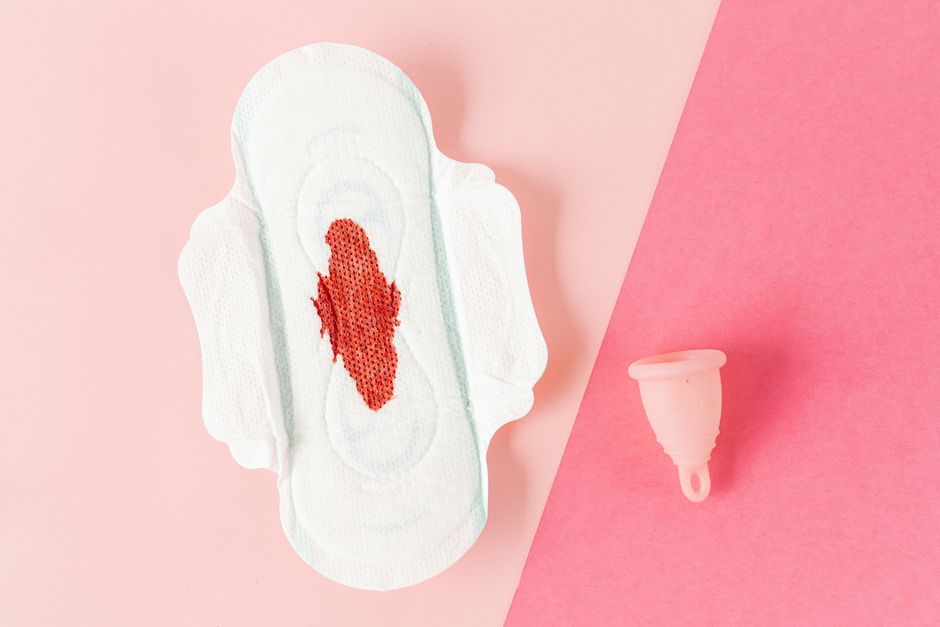
Your period is late, and your mind is already racing. For most people, pregnancy is the first thought. But the truth is that late periods happen for many reasons that have nothing to do with being pregnant. Stress, weight changes, hormone imbalances, and even your exercise routine can push your cycle off track. A normal menstrual cycle ranges from 21 to 35 days, and anything that disrupts the delicate balance of your hormones can delay it. Understanding the real reasons behind a late period helps you know when to relax and when to see a doctor.
Why Is My Period Coming Late Common Causes?
The most common causes of a late period fall into a few clear categories. Pregnancy is always a possibility, so a home test is the first step if you are sexually active. But if you are not pregnant, the culprit is often something that affects your hormones. The CDC reports that about 1 in 5 women experience irregular periods at some point in their lives. Stress is a major trigger because it raises cortisol levels, which can suppress the hormones that control ovulation. Significant weight loss or gain also disrupts estrogen production. Polycystic ovary syndrome (PCOS) affects up to 12 percent of women of reproductive age and is one of the leading causes of missed or late periods. Thyroid disorders, perimenopause, and certain medications like birth control can also delay your cycle. The key is that most causes are temporary and fixable.
How Does Stress Actually Delay Your Period?
Stress is not just a feeling — it is a biological event. When you are under chronic stress, your body releases cortisol from the adrenal glands. High cortisol levels signal your brain that conditions are not safe for pregnancy. The hypothalamus, which controls your menstrual cycle, slows or stops the release of gonadotropin-releasing hormone (GnRH). This chain reaction delays ovulation or stops it entirely. Without ovulation, your period does not come on time. Research published in the journal Psychoneuroendocrinology found that women with high perceived stress were twice as likely to experience a delayed period compared to those with low stress. The delay can last a few days or even weeks depending on how long the stress continues. Once your stress levels drop, your cycle usually returns to normal within one or two months.
What Role Do Weight and Body Fat Play?
Your body fat percentage directly affects your hormone levels. Estrogen is produced in fat cells, so having too little or too much body fat can disrupt your cycle. When body fat drops below about 17 percent, the brain stops sending signals to the ovaries. This is common in athletes or people with eating disorders. On the other end, having excess body fat raises estrogen levels, which can throw off the timing of ovulation. The American College of Obstetricians and Gynecologists states that a BMI under 18.5 or over 30 increases the risk of irregular periods. Rapid weight changes are especially disruptive. Losing or gaining 10 percent of your body weight in a short period can shock your system and delay your period by weeks. The fix is usually gradual weight stabilization through balanced nutrition and moderate exercise.





How Does Birth Control Affect Your Cycle?
Hormonal birth control works by changing your natural hormone levels. When you start a new pill, patch, or ring, your body needs time to adjust. Some people experience spotting or a late period during the first three months. More importantly, the placebo week on birth control is not a real period — it is a withdrawal bleed. Some brands, especially progestin-only pills, can cause your period to stop completely. This is normal and not harmful. When you stop taking birth control, your cycle may take several months to return to its natural rhythm. Research in Contraception journal found that about 50 percent of women have their first period within 45 days of stopping the pill, and 98 percent within 90 days. If your period has not returned after three months off birth control, it is worth checking with your doctor.
| Cause | How It Delays Your Period | Typical Timeline |
|---|---|---|
| Stress | Raises cortisol, suppresses ovulation | Days to weeks, resolves when stress drops |
| Weight loss or gain | Disrupts estrogen production | 1-3 months after weight stabilizes |
| Birth control | Changes natural hormone cycle | Up to 3 months after starting or stopping |
| PCOS | Prevents regular ovulation | Ongoing without treatment |
| Thyroid disorders | Alters metabolism and hormone regulation | Resolves with thyroid treatment |
| Perimenopause | Fluctuating estrogen and progesterone | Months to years before menopause |
What Medical Conditions Cause Late Periods?
Several medical conditions can cause your period to come late beyond the obvious ones. PCOS is the most common hormonal disorder in women of childbearing age. It causes your ovaries to produce excess androgens, which prevents eggs from maturing and being released. Without ovulation, your period does not happen on schedule. Thyroid disorders are another frequent cause. Both an underactive thyroid (hypothyroidism) and an overactive thyroid (hyperthyroidism) can disrupt your cycle. The American Thyroid Association notes that thyroid problems affect about 5 percent of women, and irregular periods are one of the earliest signs. High prolactin levels, a condition called hyperprolactinemia, can also delay your period. This can be caused by a benign pituitary tumor or certain medications like antidepressants and antipsychotics. These conditions are treatable, and your doctor can run simple blood tests to check for them.
When Should You See a Doctor About a Late Period?
A single late period is rarely a medical emergency. But there are clear guidelines for when to seek help. If you have missed three or more periods in a row, see a doctor. This is called amenorrhea and needs evaluation. If you are under 45 and your periods stop completely for more than three months, that is also a reason to get checked. Bleeding between periods or after sex, severe pelvic pain, or periods that suddenly become very heavy or very light warrant a visit. The American College of Obstetricians and Gynecologists recommends seeing your gynecologist if your cycle is consistently outside the 21 to 35-day range or if you have other symptoms like unusual hair growth, weight changes, or fatigue. Your doctor will likely run a pregnancy test, check your thyroid, and measure your prolactin and FSH levels. Most causes are manageable, and the sooner you know what is happening, the sooner you can address it.
Common Misconceptions About Late Periods
Many people believe that a late period always means pregnancy. While pregnancy is a common cause, it is not the only one. Some people think that stress only affects your period if you are extremely anxious. But even moderate daily stress can delay ovulation. Another myth is that skipping a period is harmful. In most cases, it is not. Your body is simply taking a break. Some women worry that exercise always causes late periods. The truth is that only very intense or excessive exercise — like running 30 miles a week or more — tends to affect your cycle. Moderate exercise actually helps regulate your hormones. There is also a belief that you cannot get pregnant if your period is late. This is false. You can ovulate late, and if you have unprotected sex, pregnancy is still possible. Finally, some people assume that irregular periods are just how their body works and do not need treatment. But if your periods are consistently irregular, it is worth a checkup to rule out conditions like PCOS or thyroid disease that can affect your long-term health.
Frequently Asked Questions
Can stress cause a period to be late by two weeks?
Yes, chronic stress can delay ovulation by two weeks or more because high cortisol levels suppress the hormones that trigger ovulation.
How late is too late for a period?
A period that is more than seven days late for a cycle that is normally regular warrants a pregnancy test and a call to your doctor if concerns persist.
Can birth control make your period late even if you take it correctly?
Yes, especially during the first three months of starting a new birth control method while your body adjusts to the hormones.
Does PCOS always cause missed periods?
No, PCOS causes irregular periods but not everyone with the condition misses periods entirely — some have cycles longer than 35 days.
