
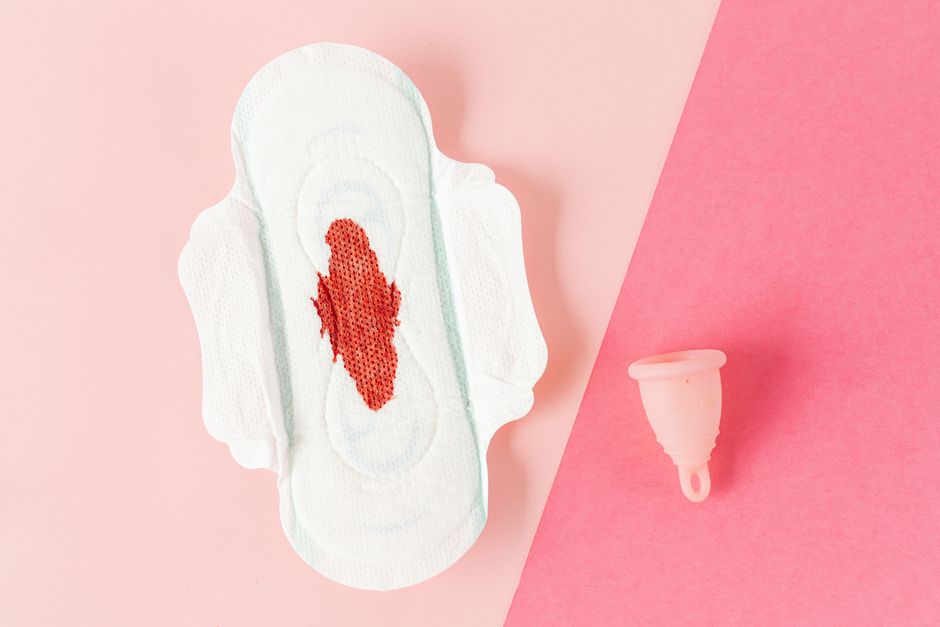
Heavy menstrual bleeding is the leading cause of iron deficiency in women of reproductive age. When you lose more blood each month than your body can replace, your iron stores drop, and anemia sets in. The science-backed way to help anemia during your period focuses on three things: replacing lost iron, reducing blood loss, and improving how your body absorbs iron. Most women can correct mild to moderate menstrual anemia with targeted diet changes and the right type of iron supplement, but heavy bleeding may need medical treatment first.
What Causes Anemia During Your Period?
Your body needs iron to make hemoglobin, the protein in red blood cells that carries oxygen. When you bleed heavily each month, you lose iron faster than your diet can replace it. The medical term for this is iron deficiency anemia.
Heavy menstrual bleeding, also called menorrhagia, is the most common cause. The CDC reports that about 1 in 5 women in the US experience periods heavy enough to interfere with daily life. Losing more than 80 milliliters of blood per cycle puts you at risk. For reference, a normal period loses about 30 to 40 milliliters.
Other factors can make it worse. A diet low in iron-rich foods, frequent blood donation, pregnancy within the last year, or conditions like celiac disease that affect nutrient absorption all increase your risk. Some women also have a genetic tendency toward lower iron stores.
How To Help Anemia During Your Period With Iron Supplements
If you have confirmed iron deficiency anemia, supplements are the most direct way to raise your levels. Research published in the Journal of the American Medical Association found that oral iron supplements increase hemoglobin levels within two to four weeks in most women.
Not all iron supplements work the same. Ferrous sulfate is the most studied and affordable form. It contains about 20 percent elemental iron, meaning a 325 mg tablet gives you 65 mg of actual iron. The recommended dose for menstrual anemia is typically 60 to 120 mg of elemental iron per day, taken in divided doses.
Iron bisglycinate is a newer form that some studies suggest causes fewer stomach side effects. A 2020 study in Nutrients found that women taking iron bisglycinate had better absorption and less constipation than those taking ferrous sulfate. If standard iron pills upset your stomach, this form is worth trying.
Avoid slow-release or enteric-coated iron pills. Research shows they release iron too far down the digestive tract where absorption is poor. Regular immediate-release tablets work better.
| Iron Form | Elemental Iron Per Dose | Absorption Rate | Common Side Effects |
|---|---|---|---|
| Ferrous sulfate | 65 mg (325 mg tablet) | Good | Constipation, nausea, dark stools |
| Iron bisglycinate | 25-50 mg typical | Very good | Minimal stomach upset |
| Ferrous gluconate | 36 mg (300 mg tablet) | Moderate | Less constipation than sulfate |
| Slow-release iron | Varies | Poor | Fewer side effects but less effective |
What Foods Help Fight Menstrual Anemia?
Food alone rarely corrects moderate to severe anemia. But combined with supplements, the right foods speed up recovery and help maintain healthy iron levels long-term.
Heme iron from animal sources absorbs much better than non-heme iron from plants. The body absorbs about 25 percent of heme iron versus roughly 10 percent of non-heme iron. Red meat, liver, chicken thighs, and fish are the most concentrated sources. A 3-ounce serving of beef provides about 3 mg of heme iron.
Plant sources like spinach, lentils, beans, tofu, and fortified cereals still help. The trick is pairing them with vitamin C. A 2019 study in the American Journal of Clinical Nutrition found that adding 100 mg of vitamin C to a plant-based meal tripled iron absorption. Squeeze lemon on your lentils. Eat bell peppers with your bean salad. Drink orange juice when you have oatmeal.
Calcium blocks iron absorption. Do not take your iron supplement with milk, yogurt, or a calcium-rich meal. Wait at least two hours between eating dairy and taking iron. Coffee and tea also reduce iron absorption by up to 80 percent due to tannins. Have them between meals, not with food.





How Heavy Bleeding Affects Your Iron Levels
Some women lose so much blood that diet and supplements cannot keep up. If your period soaks through a pad or tampon every hour for several hours, or you pass clots larger than a quarter, you likely have menorrhagia. Research shows that women with heavy periods lose an average of 80 to 200 milliliters of blood per cycle. That translates to roughly 16 to 40 mg of iron lost each month.
For comparison, your body absorbs only about 1 to 2 mg of iron from food per day. Even on a high-iron diet, you can only replace about 30 to 60 mg of iron per month through food alone. If you lose more than that, your iron stores drop steadily.
The World Health Organization estimates that 30 percent of women worldwide have anemia, with heavy menstrual bleeding as a primary cause. If your periods are consistently heavy, you need to address the bleeding itself, not just the iron loss.
Medical treatments for heavy bleeding include hormonal birth control, tranexamic acid (a medication that reduces bleeding), or in some cases, a hormonal IUD. A 2021 Cochrane review found that tranexamic acid reduced menstrual blood loss by 40 to 50 percent. That alone can prevent anemia from recurring.
How To Help Anemia During Your Period: Practical Steps
Start by getting tested. A simple blood test called a complete blood count and ferritin test tells you your iron stores. Ferritin levels below 30 ng/mL indicate depleted iron stores even if your hemoglobin is still normal. Many doctors consider ferritin below 15 as iron deficiency.
Take your iron supplement correctly. Take it on an empty stomach with a glass of water or orange juice. Wait at least one hour before eating. If you get stomach pain, you can take it with a small amount of food, but avoid dairy, coffee, and tea.
- Take iron at the same time every day to build a routine
- Space doses six to eight hours apart if taking two per day
- Keep taking it for three to six months after your blood counts normalize to rebuild iron stores
- Store iron supplements out of reach of children — overdose is dangerous
Track your period. Note how many days you bleed and how heavy it is. Apps or a simple calendar help you and your doctor see if bleeding is getting worse over time.
Eat iron-rich meals consistently, not just during your period. Your body needs a steady supply. Include a source of heme iron at least three times per week and non-heme iron daily.
What Not To Do When Treating Menstrual Anemia
Do not assume you can fix severe anemia with diet alone. If your hemoglobin is below 10 g/dL, you need supplements or medical treatment. Waiting too long can cause heart strain, fatigue, and cognitive issues that last months.
Do not take iron supplements without a blood test. Excess iron is toxic. The body has no efficient way to get rid of extra iron, and high levels can damage your liver and heart. Only take iron if you have confirmed low ferritin or hemoglobin.
Do not take iron with calcium, antacids, or proton pump inhibitors. These all reduce absorption. If you take medication for acid reflux, talk to your doctor about adjusting the timing.
Do not ignore other causes of anemia. Heavy periods are common, but they are not the only cause. Vitamin B12 and folate deficiency, chronic inflammation, kidney disease, and internal bleeding can all cause anemia. If your iron levels do not improve after three months of supplements, your doctor needs to look further.
Do not expect instant results. Iron supplements take time. Hemoglobin rises slowly over weeks. Ferritin, which reflects your stored iron, can take months to reach normal levels. Consistency matters more than high doses.
Common Misconceptions About Menstrual Anemia
Some people believe that eating raw spinach or drinking beet juice can cure anemia. While these foods contain iron, the amounts are small and absorption is poor. A cup of raw spinach has about 0.8 mg of iron, and only about 0.08 mg gets absorbed without vitamin C. You would need to eat 30 cups of raw spinach to get the iron in one supplement tablet.
Another myth is that cooking in cast iron pots provides enough iron. It does add some iron to food, especially acidic foods like tomato sauce. But the amount is inconsistent and too small to correct anemia on its own.
Some women think they cannot take iron because it causes constipation. This is a real side effect, but it can be managed. Drink plenty of water, increase fiber gradually, and consider switching to iron bisglycinate. A stool softener can also help. Do not let constipation stop you from fixing anemia.
Frequently Asked Questions
How long does it take to fix anemia from heavy periods?
Most women see hemoglobin improve within two to four weeks of starting iron supplements. It takes three to six months to fully rebuild iron stores.
Can you treat period anemia without supplements?
Mild cases with normal hemoglobin but low ferritin can sometimes be managed with diet alone. Moderate to severe anemia almost always requires supplements.
What is the best iron supplement for heavy periods?
Ferrous sulfate is the most studied and effective option. Iron bisglycinate causes fewer stomach side effects and is a good alternative if you have digestive issues.
Should I take iron every day or only during my period?
Take iron daily for at least three months. Taking it only during your period is not enough to replace the iron lost or build healthy stores.
