
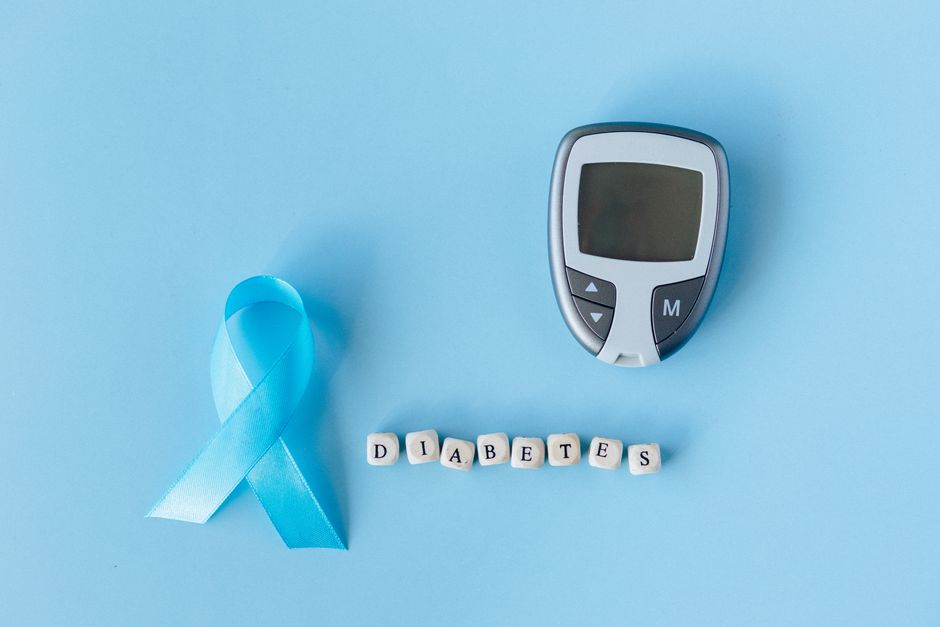
Managing both diabetes and high blood pressure can feel like a double challenge, especially when it comes to food choices. The good news is that the same eating pattern often helps both conditions at once. A diet built on whole, unprocessed foods — vegetables, fruits, whole grains, lean proteins, and healthy fats — while limiting sodium, added sugar, and refined carbohydrates is the most effective approach. This style of eating helps control blood sugar and blood pressure together, which is exactly what your body needs.
Why Diabetes and High Blood Pressure Travel Together
These two conditions frequently appear in the same person. High blood sugar damages blood vessels over time, making them stiffer and less flexible. Stiffer vessels mean higher pressure as blood pushes through them. At the same time, excess weight, common in type 2 diabetes, adds extra workload to the heart and kidneys.
This connection matters because the two conditions share many of the same risk factors. Physical inactivity, poor diet, and excess weight all contribute to both. This is actually helpful news — improving one area of your health often improves both conditions simultaneously.
Studies consistently show that modest weight loss of 5-10 percent of body weight can meaningfully improve both blood sugar control and blood pressure. You do not need dramatic changes to see real benefits.
What Should A Diabetic With High Blood Pressure Eat
The most practical answer is to focus on foods that are low in sodium and low in rapidly digested carbohydrates. This combination keeps blood pressure down and blood sugar steady.
Build most of your plate around vegetables. Non-starchy vegetables like leafy greens, broccoli, peppers, and cauliflower are low in calories, low in carbohydrates, and rich in potassium — a mineral that helps counterbalance sodium. Aim for half your plate to be these vegetables at most meals.
Choose whole fruits over juice. Whole fruit contains fiber, which slows sugar absorption, while juice delivers a rapid spike. Berries, apples, and citrus fruits are good choices. Keep portions moderate — one medium piece of fruit or about one cup of berries is a reasonable serving.
Select whole grains instead of refined ones. Brown rice, quinoa, oats, and whole-wheat bread digest more slowly than their white counterparts. This slower digestion means a gentler rise in blood sugar after eating.
Include lean proteins at every meal. Chicken breast, fish, eggs, tofu, and legumes help keep you full and slow down carbohydrate absorption. Fatty fish like salmon and mackerel also provide omega-3 fats, which support heart health.
Use healthy fats in moderation. Olive oil, avocado, nuts, and seeds are good options. These fats do not raise blood sugar and help you feel satisfied after meals.
The Sodium Problem: How Much Is Too Much
Sodium is the primary dietary driver of high blood pressure for most people. It causes your body to retain fluid, which increases the volume of blood in your vessels and raises pressure.
Most adults should stay under 2,300 milligrams of sodium per day, which is about one teaspoon of salt. Many experts recommend an even lower target of 1,500 milligrams for people with high blood pressure. The average American consumes well over 3,400 milligrams daily, so most people have significant room for improvement.
The challenge is that most sodium does not come from your salt shaker. It comes from packaged and restaurant foods. Bread, deli meats, canned soups, frozen dinners, and condiments are major sources. Even foods that do not taste salty, like some cereals and baked goods, contain surprising amounts of sodium.
Read nutrition labels carefully. Check the sodium content per serving, and pay attention to serving size. A product can appear low in sodium while the actual amount you eat is much higher.



Carbohydrates: Quality and Quantity Matter
Carbohydrates directly raise blood sugar, so managing them is central to diabetes care. But the type of carbohydrate matters as much as the amount.
Carbohydrates from whole foods — beans, lentils, whole grains, vegetables, and fruit — come packaged with fiber, vitamins, and minerals. Fiber slows digestion and reduces the blood sugar spike after a meal. These foods are also more filling, which helps with weight management.
Refined carbohydrates — white bread, white rice, sugary drinks, pastries, and most processed snacks — are digested quickly and cause rapid blood sugar spikes. They also tend to be low in nutrients and high in calories.
A practical approach is to replace refined carbohydrates with whole-food versions. Swap white rice for brown rice. Choose whole-grain bread instead of white. Replace sugary drinks with water or unsweetened tea. These simple swaps reduce both blood sugar spikes and sodium intake, since processed refined foods often contain added salt.
The DASH Diet: A Proven Pattern
The Dietary Approaches to Stop Hypertension diet, known as DASH, is one of the most studied eating patterns for lowering blood pressure. Research consistently shows it can reduce blood pressure within weeks.
The DASH diet emphasizes vegetables, fruits, whole grains, lean protein, and low-fat dairy while limiting saturated fat, sugar, and sodium. It is naturally lower in sodium and higher in potassium, calcium, and magnesium — minerals that support healthy blood pressure.
This pattern also works well for diabetes because it emphasizes whole foods and limits refined carbohydrates and added sugar. Many healthcare providers recommend a modified DASH approach for people managing both conditions.
One caution: the standard DASH diet includes several daily servings of fruit, which can add up in carbohydrates. Work with your healthcare team to adjust portions to fit your individual blood sugar goals. The vegetable, protein, and whole-grain components generally fit diabetes guidelines well.
Foods to Limit or Avoid
Some foods are particularly problematic for people managing both diabetes and high blood pressure. These are best limited or avoided entirely.
Sugary beverages are the single worst choice. A regular soda delivers about 40 grams of sugar with no fiber, protein, or fat to slow absorption. This causes a rapid blood sugar spike and contributes to weight gain. Replace them with water, sparkling water, or unsweetened tea.
Processed meats like bacon, sausage, hot dogs, and deli meats are high in both sodium and saturated fat. Regular consumption is linked to higher blood pressure and worse cardiovascular outcomes. If you eat these, treat them as occasional foods, not daily staples.
Canned and packaged foods are often loaded with sodium to preserve shelf life and enhance flavor. Canned soups, pasta sauces, and frozen meals frequently contain more than half your daily sodium allowance in a single serving. Look for no-salt-added versions or rinse canned vegetables and beans before using.
Fast food and restaurant meals are notoriously high in sodium, refined carbohydrates, and unhealthy fats. A single fast-food meal can contain more sodium than you should consume in an entire day. Cooking at home gives you full control over ingredients.
Practical Meal Ideas
Putting this all together does not require complicated recipes. Simple meals using whole ingredients work best.
For breakfast, consider oatmeal made with water or milk, topped with berries and a sprinkle of cinnamon. Add a boiled egg or a spoonful of nut butter for protein. Avoid instant oatmeal packets, which often contain added sugar and salt.
For lunch, a salad with leafy greens, grilled chicken, chickpeas, cucumber, and olive oil vinaigrette works well. Add a slice of whole-grain bread if you need more carbohydrates. Be careful with bottled dressings — many are high in sodium and added sugar.
For dinner, pair a grilled fish fillet or chicken breast with roasted vegetables and a small portion of quinoa or brown rice. Season with herbs, garlic, lemon, and pepper instead of salt. This meal is balanced, satisfying, and naturally low in sodium.
Snacks can include raw vegetables with hummus, a small apple with peanut butter, plain yogurt with nuts, or a handful of almonds. Avoid packaged snack bars and crackers, which are often high in added sugar and sodium.
What About Potassium and Other Nutrients
Potassium helps your kidneys remove excess sodium from your body, which helps lower blood pressure. Foods rich in potassium include leafy greens, potatoes, sweet potatoes, bananas, beans, and yogurt.
However, if you have kidney disease — a common complication of long-term diabetes — high potassium foods may need to be limited. Your doctor can tell you whether this applies to you based on blood tests. Do not take potassium supplements without medical supervision.
Magnesium and calcium also play roles in blood pressure regulation. Whole grains, nuts, seeds, and leafy greens provide magnesium. Dairy products, fortified plant milks, and leafy greens provide calcium. A varied diet covering these food groups usually provides adequate amounts of both.
Alcohol and Caffeine: What the Evidence Shows
Alcohol can raise blood pressure and interfere with blood sugar control. If you drink, moderation is key — no more than one drink per day for women and two for men. One drink is 12 ounces of beer, 5 ounces of wine, or 1.5 ounces of distilled spirits. Some people may need to avoid alcohol entirely based on their medications and health status.
Caffeine causes a temporary rise in blood pressure in some people, though regular consumers often develop tolerance. The evidence does not clearly show that caffeine causes long-term blood pressure problems in most people. If you notice your blood pressure rises after coffee, consider reducing intake or switching to decaf.
Frequently Asked Questions
Can I eat fruit if I have diabetes and high blood pressure?
Yes, whole fruit is fine in moderate portions. Choose whole fruits over juice because the fiber slows sugar absorption, and stick to about one medium piece or one cup of berries per serving.
How much salt can I have each day?
Stay under 2,300 milligrams of sodium daily, and aim for 1,500 milligrams if you have high blood pressure. Most of this sodium comes from packaged and restaurant foods, not your salt shaker.
Is the DASH diet safe for diabetics?
Yes, the DASH diet works well for most people with diabetes because it emphasizes whole foods and limits refined carbohydrates. Adjust fruit portions to match your individual blood sugar targets.
Can I eat carbohydrates at all with diabetes?
Yes, carbohydrates are necessary for energy and overall health. Focus on whole-food sources like vegetables, whole grains, beans, and fruit while limiting refined carbohydrates like white bread and sugary drinks.
Managing diabetes and high blood pressure through diet is not about perfection. It is about consistent, sensible choices that support your body over time. Small changes — swapping one processed meal for a home-cooked one, choosing water over soda, adding vegetables to your plate — add up to meaningful improvements. Work with your healthcare team to create a plan that fits your specific needs, medications, and health goals.
