
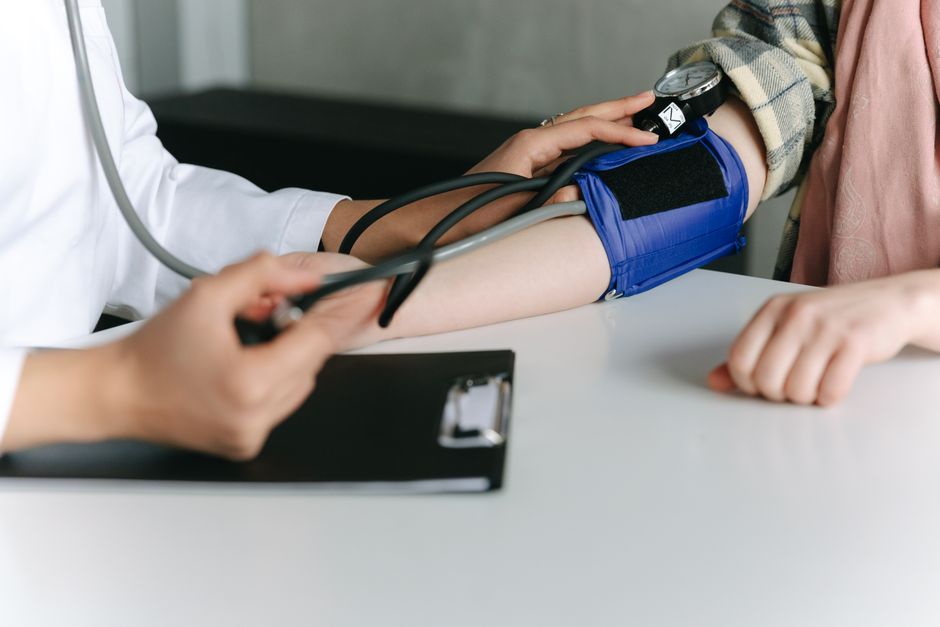
A blood pressure reading of 145 systolic (the top number) is considered high. It falls into the Stage 2 hypertension category according to standard clinical guidelines. This means the pressure in your arteries is consistently too high, which forces your heart to work harder and can damage blood vessels over time. Treatment is typically recommended, but it usually starts with lifestyle changes and may include medication depending on your overall risk profile.
What Do the Blood Pressure Numbers Mean?
Blood pressure is measured in millimeters of mercury (mmHg) and recorded as two numbers. The top number, systolic pressure, measures the force of blood against artery walls when the heart beats. The bottom number, diastolic pressure, measures that same force between beats when the heart rests.
A normal reading is below 120/80 mmHg. Elevated blood pressure is 120-129 systolic with a diastolic under 80. Stage 1 hypertension is 130-139 systolic or 80-89 diastolic. Stage 2 hypertension is 140 or higher systolic or 90 or higher diastolic.
A reading of 145 systolic places you in Stage 2 hypertension regardless of what the bottom number shows. If the diastolic number is also high, such as 90 or above, that confirms the diagnosis. If the diastolic is normal, the systolic number alone still meets the criteria for Stage 2.
One high reading does not automatically mean you have hypertension. Blood pressure fluctuates throughout the day. It rises with physical activity, stress, and even talking. A diagnosis requires multiple elevated readings taken on separate occasions, usually in a clinical setting or with a validated home monitor.
Is 145 Blood Pressure Dangerous?
A reading of 145 is not an emergency by itself. Hypertensive crisis is defined as a reading of 180/120 or higher. That level requires immediate medical attention. A reading of 145, however, represents sustained damage over time rather than an acute threat.
The danger of 145 is cumulative. Persistent high pressure damages the inner lining of arteries. This damage promotes the buildup of plaque, a condition called atherosclerosis. Narrowed and stiffened arteries reduce blood flow to vital organs.
Over years, untreated Stage 2 hypertension increases the risk of heart attack, stroke, kidney disease, and vision loss. The heart muscle thickens as it works against higher pressure. This thickening, called left ventricular hypertrophy, raises the risk of heart failure.
The risk is not the number itself. The risk is what the number does to your body over months and years. That is why a reading of 145 warrants action even though you may feel perfectly fine. Hypertension is often called the silent killer because it produces no symptoms until significant damage has occurred.
What Causes Blood Pressure to Reach 145?
In most adults, hypertension develops gradually over many years. This is called primary or essential hypertension. No single cause explains it. A combination of genetics, age, and lifestyle factors drives the gradual rise in pressure.
Age is a major factor. Blood vessels naturally lose elasticity as you get older. Stiffer arteries offer more resistance to blood flow, which raises pressure. Most people develop some degree of hypertension as they age.
Lifestyle factors play a substantial role. A diet high in sodium causes the body to retain fluid. More fluid in the bloodstream increases the volume of blood pushing against artery walls. Excess body weight adds pressure too, because more tissue requires more blood flow.
Other contributors include chronic stress, insufficient sleep, excessive alcohol consumption, and physical inactivity. Certain medical conditions can also cause secondary hypertension. These include kidney disease, thyroid disorders, and sleep apnea. Some medications, including decongestants, NSAID pain relievers, and certain antidepressants, can raise blood pressure as a side effect.

What Are the Risks of Untreated Stage 2 Hypertension?
Untreated hypertension damages organs throughout the body. The heart, brain, kidneys, and eyes are most vulnerable because they depend on a constant supply of oxygen-rich blood.
Heart disease is the most common complication. High pressure forces the heart to pump harder. Over time, the heart muscle thickens and becomes less efficient. Coronary artery disease develops as plaque narrows the arteries that feed the heart muscle. This can lead to chest pain, heart attack, or heart failure.
Stroke risk increases significantly with Stage 2 hypertension. High pressure can weaken blood vessels in the brain, making them more likely to rupture. It also accelerates plaque buildup in the carotid arteries, which can dislodge and block blood flow to the brain.
Kidney damage occurs because the kidneys filter blood through millions of tiny blood vessels. High pressure damages these delicate vessels. As kidney function declines, waste products build up in the blood. In severe cases, this progresses to kidney failure requiring dialysis.
Vision loss can result from damage to the blood vessels in the retina. This condition, called hypertensive retinopathy, is detected during an eye exam. It can cause bleeding in the eye and permanent vision impairment if left untreated.
These complications do not develop overnight. They build over years. The good news is that treating hypertension significantly reduces these risks. Even modest reductions in blood pressure produce meaningful improvements in cardiovascular outcomes.
How Is 145 Blood Pressure Treated?
Treatment for a reading of 145 typically combines lifestyle changes with medication. The specific approach depends on your overall cardiovascular risk, including age, diabetes status, kidney function, and existing heart disease.
Clinical guidelines generally recommend starting medication for adults with Stage 2 hypertension. The decision is not based solely on the number. Your doctor evaluates your complete risk profile before prescribing. Some people with Stage 2 hypertension can lower their blood pressure with lifestyle changes alone, but medication is often necessary to achieve target goals.
Common medication classes include:
- ACE inhibitors and ARBs relax blood vessels by blocking a hormone that narrows them.
- Calcium channel blockers relax and widen blood vessels by preventing calcium from entering muscle cells in artery walls.
- Thiazide diuretics help the kidneys remove excess sodium and water, reducing blood volume.
- Beta blockers slow the heart rate and reduce the force of heart contractions, though they are not usually first-line therapy unless other conditions are present.
Many people need more than one medication to control their blood pressure. Your doctor may start with a low dose of one drug and adjust it over time. Or they may prescribe a combination pill that contains two medications in a single tablet.
Lifestyle Changes That Lower Blood Pressure
Lifestyle changes are the foundation of hypertension management. They work alongside medication and can sometimes reduce the dose you need. These changes are not quick fixes. They require consistency over months to produce measurable results.
Reduce sodium intake. The average American consumes far more sodium than recommended. Most of it comes from processed and restaurant foods, not the salt shaker. The general guidance is to limit sodium to about 2,300 mg per day, with a target of 1,500 mg for people with hypertension. Reading nutrition labels and cooking at home are effective ways to cut sodium.
Follow the DASH diet. The Dietary Approaches to Stop Hypertension eating plan emphasizes fruits, vegetables, whole grains, lean protein, and low-fat dairy. It is rich in potassium, calcium, and magnesium, which help counterbalance sodium. Research has consistently shown the DASH diet lowers blood pressure within weeks.
Increase physical activity. Regular aerobic exercise strengthens the heart so it pumps blood with less effort. The general recommendation is at least 150 minutes of moderate-intensity exercise per week. Brisk walking, cycling, and swimming all qualify. Even breaking exercise into shorter sessions throughout the day provides benefit.
Limit alcohol. Heavy drinking raises blood pressure. The general guidance is no more than one drink per day for women and two for men. One drink means 12 ounces of beer, 5 ounces of wine, or 1.5 ounces of distilled spirits.
Maintain a healthy weight. Excess weight, particularly around the abdomen, increases blood pressure. Losing even a modest amount of weight can produce a measurable drop. The relationship between weight and blood pressure is well established.
Manage stress and sleep. Chronic stress keeps blood pressure elevated through hormones like cortisol and adrenaline. Poor sleep, especially sleep apnea, is strongly linked to hypertension. Addressing these factors supports blood pressure control.
When to See a Doctor
If you took a reading of 145 at home, do not panic. Take a few deep breaths, sit quietly for five minutes, and take another reading. If it remains elevated, schedule an appointment with your doctor within the next week or two.
Seek immediate medical attention if your blood pressure is 180/120 or higher. This is a hypertensive crisis. Go to the emergency room or call emergency services, especially if you have chest pain, shortness of breath, severe headache, vision changes, or difficulty speaking.
At your appointment, your doctor will confirm the diagnosis with repeated measurements. They will also order blood tests to check kidney function, electrolytes, and blood sugar. These tests help identify any underlying cause and assess organ damage.
Do not stop taking blood pressure medication without talking to your doctor. Stopping suddenly can cause a dangerous spike in blood pressure. If you experience side effects, ask about alternatives. Many effective options exist, and your doctor can work with you to find the right one.
Frequently Asked Questions
Is 145 over 90 blood pressure dangerous?
Yes, 145/90 is Stage 2 hypertension and requires treatment. The immediate danger is low, but the long-term risk of heart attack, stroke, and kidney damage increases significantly if it stays elevated.
Can 145 blood pressure be lowered without medication?
Some people can lower it with lifestyle changes alone, but most people with Stage 2 hypertension need medication. Reducing sodium, following the DASH diet, and exercising regularly can produce meaningful reductions.
What should I do if I get a blood pressure reading of 145?
Rest for five minutes and take another reading. If it stays at 145, schedule an appointment with your doctor within a week or two to confirm the diagnosis and discuss treatment options.
Is 145 blood pressure considered an emergency?
No, 145 is not a hypertensive emergency. Emergency levels start at 180/120. A reading of 145 requires timely medical evaluation, but it does not require immediate emergency care unless you have concerning symptoms.
