
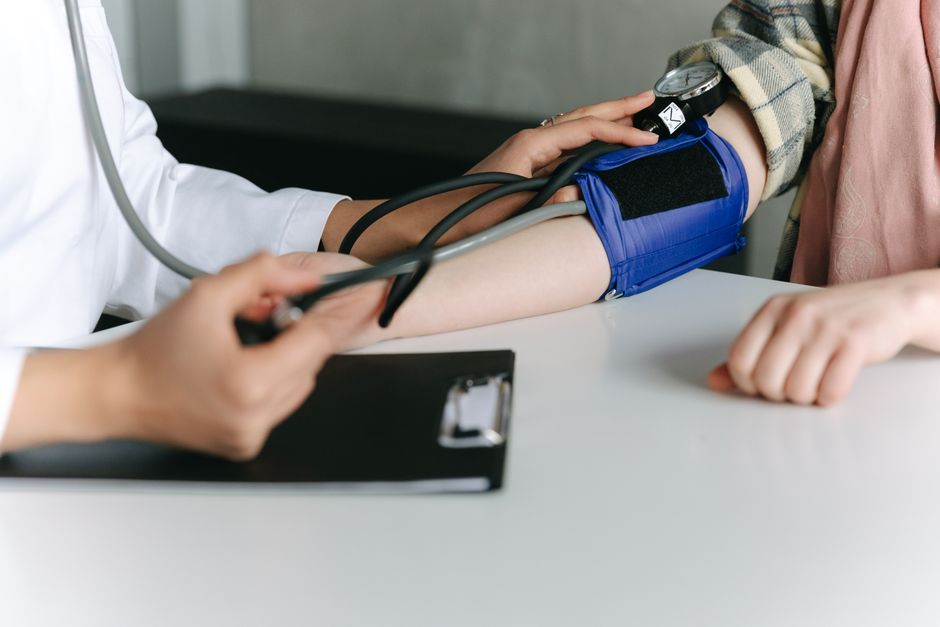
Your blood pressure is high because the forces pushing blood through your arteries have increased, and most of the time that happens gradually over years without any single obvious trigger. In the United States, roughly half of adults have high blood pressure, and in the large majority of cases there is no identifiable single disease causing it. Instead, a mix of genetics, age, kidney function, hormone activity, diet, weight, sleep, and lifestyle factors push the numbers up together. That is why doctors call it “primary” or “essential” hypertension — it is a condition built from many overlapping causes rather than one broken part.
Why Is My Blood Pressure So High Common Causes? The Reason
Blood pressure is the force of blood pushing against your artery walls. It is created by two things working together: how hard your heart pumps and how much resistance your arteries provide. When either of those increases, your reading goes up.
In most people with high blood pressure, the underlying problem involves the small arteries throughout the body becoming stiffer or narrower, and the kidneys holding onto more sodium and water than they should. That extra fluid raises blood volume. Stiffer arteries raise resistance. Together they raise pressure. This is a slow process. It usually develops over many years, which is why high blood pressure rarely causes symptoms until it has done damage.
About 90 to 95 percent of high blood pressure cases are classified as primary hypertension, meaning no single reversible cause is found. The remaining 5 to 10 percent are “secondary,” meaning a specific condition — such as kidney disease or a hormone disorder — is driving the pressure up. That distinction matters because secondary causes sometimes can be treated directly.
What Are the Most Common Causes of High Blood Pressure?
The most common contributors are the ones that build up quietly over decades. Age is one of the strongest. Blood vessels lose elasticity as you get older, and that stiffening alone raises pressure in most people.
Family history matters too. If a parent or sibling has high blood pressure, your risk is higher, and researchers have identified many gene variations that each contribute a small amount. No single “blood pressure gene” has been found.
Other common contributors include:
- Excess body weight — extra tissue needs more blood flow, and the heart must push harder to deliver it
- High sodium intake — sodium makes the body retain fluid, raising blood volume
- Low potassium intake — potassium helps the body excrete sodium, so low levels work against you
- Drinking too much alcohol — regular heavy drinking raises blood pressure over time
- Physical inactivity — regular movement helps keep blood vessels flexible
- Chronic stress — stress hormones can raise pressure, especially when stress is ongoing
- Poor sleep — including sleep apnea, which is a well-documented driver of resistant hypertension
- Smoking and tobacco use — nicotine raises blood pressure and damages vessel walls
None of these acts alone. Most people with high blood pressure have several of these factors stacked on top of each other.
Can a Medical Condition Cause High Blood Pressure?
Yes, and these cases are called secondary hypertension. They are less common, but they matter because treating the underlying condition can sometimes bring blood pressure down significantly.
The most frequent secondary cause is kidney disease. The kidneys regulate blood volume and release hormones that control vessel tone, so when they are not working properly, pressure often rises. Other causes include:
- Sleep apnea — repeated pauses in breathing during sleep trigger stress hormone surges that raise pressure
- Primary aldosteronism — the adrenal glands make too much aldosterone, causing sodium retention
- Thyroid disorders — both overactive and underactive thyroid can affect blood pressure
- Pheochromocytoma — a rare adrenal tumor that releases adrenaline-like hormones
- Renal artery narrowing — reduced blood flow to a kidney signals the body to raise pressure
- Certain medications — including some decongestants, NSAIDs, hormonal contraceptives, and steroids
Doctors typically suspect a secondary cause when blood pressure is very high, appears suddenly, resists multiple medications, or starts before age 30 or after age 55 with no prior history. If you fit that pattern, it is worth asking your doctor whether further testing is warranted.



Does Diet Really Raise Blood Pressure?
Diet is one of the most studied contributors, and the evidence is strong. Sodium is the main dietary driver. The relationship between sodium and blood pressure has been shown consistently across many populations and controlled trials.
The effect is not the same for everyone. Some people are more “salt sensitive” than others, meaning their pressure responds more strongly to sodium. Salt sensitivity is more common in older adults, Black adults, and people who already have high blood pressure or diabetes.
Potassium works in the opposite direction. Diets rich in potassium — from fruits, vegetables, beans, and lentils — are associated with lower blood pressure. The DASH eating pattern, which emphasizes these foods along with low-fat dairy and limited saturated fat, has been shown in controlled trials to lower blood pressure.
Alcohol is another dietary factor. Regular heavy drinking raises blood pressure, and reducing intake tends to lower it. The effect is dose-dependent, meaning more alcohol generally means higher pressure.
Can Stress and Poor Sleep Raise Blood Pressure?
Stress raises blood pressure in the moment, and chronic stress can keep it elevated over time. The mechanism involves the sympathetic nervous system and stress hormones like cortisol and adrenaline, which tighten blood vessels and increase heart rate.
Sleep is closely tied to blood pressure regulation. During normal sleep, blood pressure dips by about 10 to 20 percent — a pattern called “nocturnal dipping.” People who do not get that dip, often because of sleep apnea or fragmented sleep, tend to have higher average blood pressure and higher cardiovascular risk.
Sleep apnea deserves specific mention. It is common in people with resistant hypertension — high blood pressure that stays high despite multiple medications. If you snore heavily, wake gasping, or feel exhausted despite a full night’s sleep, that is worth discussing with a doctor. Treating sleep apnea can improve blood pressure in some people.
What Numbers Count as High Blood Pressure?
Blood pressure is written as two numbers. The top number (systolic) is the pressure when your heart beats. The bottom number (diastolic) is the pressure between beats.
According to the American Heart Association and American College of Cardiology, the categories are:
| Category | Systolic (mm Hg) | Diastolic (mm Hg) |
|---|---|---|
| Normal | Less than 120 | Less than 80 |
| Elevated | 120–129 | Less than 80 |
| Stage 1 hypertension | 130–139 | 80–89 |
| Stage 2 hypertension | 140 or higher | 90 or higher |
| Hypertensive crisis | Higher than 180 | Higher than 120 |
A single high reading does not mean you have high blood pressure. Diagnosis usually requires multiple elevated readings on separate occasions. Home monitoring and 24-hour ambulatory monitoring are often used to confirm.
One detail that often gets missed: readings taken at a doctor’s office can be temporarily elevated because of anxiety. This is called white coat hypertension, and it is why home readings matter. The opposite also happens — some people have normal office readings but high readings at home, called masked hypertension.
When Should You Take High Blood Pressure Seriously?
High blood pressure is called the “silent killer” for a reason. It usually causes no symptoms until it has already damaged the heart, brain, kidneys, or eyes. That is why screening matters even when you feel fine.
Over time, untreated high blood pressure raises the risk of heart attack, stroke, heart failure, kidney disease, and vision loss. The higher the pressure and the longer it goes untreated, the greater the risk.
If your reading is higher than 180/120 mm Hg and you have symptoms like chest pain, shortness of breath, severe headache, weakness, or vision changes, that is a medical emergency. Call 911. If your reading is that high but you feel fine, wait five minutes and check again. If it is still that high, contact a doctor right away.
For everyone else, the practical step is simple: know your numbers, check them regularly, and talk to a doctor about what they mean for you. Most high blood pressure can be managed, and the earlier it is addressed, the better the long-term outlook.
Frequently Asked Questions
What is the most common cause of high blood pressure?
The most common cause is primary hypertension, which develops from a mix of genetics, age, kidney function, diet, weight, and lifestyle over many years. No single cause is identified in about 90 to 95 percent of cases.
Can high blood pressure be caused by stress alone?
Stress can raise blood pressure in the moment, and chronic stress may contribute to sustained elevation. However, stress alone rarely explains high blood pressure — it usually works alongside other factors like diet, weight, and genetics.
What are the warning signs of high blood pressure?
Most people with high blood pressure have no symptoms at all, which is why it is called the silent killer. Severe symptoms like chest pain, severe headache, or vision changes only appear at dangerously high levels and require emergency care.
Can high blood pressure be reversed?
Some people can lower their blood pressure significantly through diet, weight loss, exercise, limiting alcohol, and treating sleep apnea. Whether it can be fully reversed depends on the cause, how high it is, and how long it has been present.
